Australia
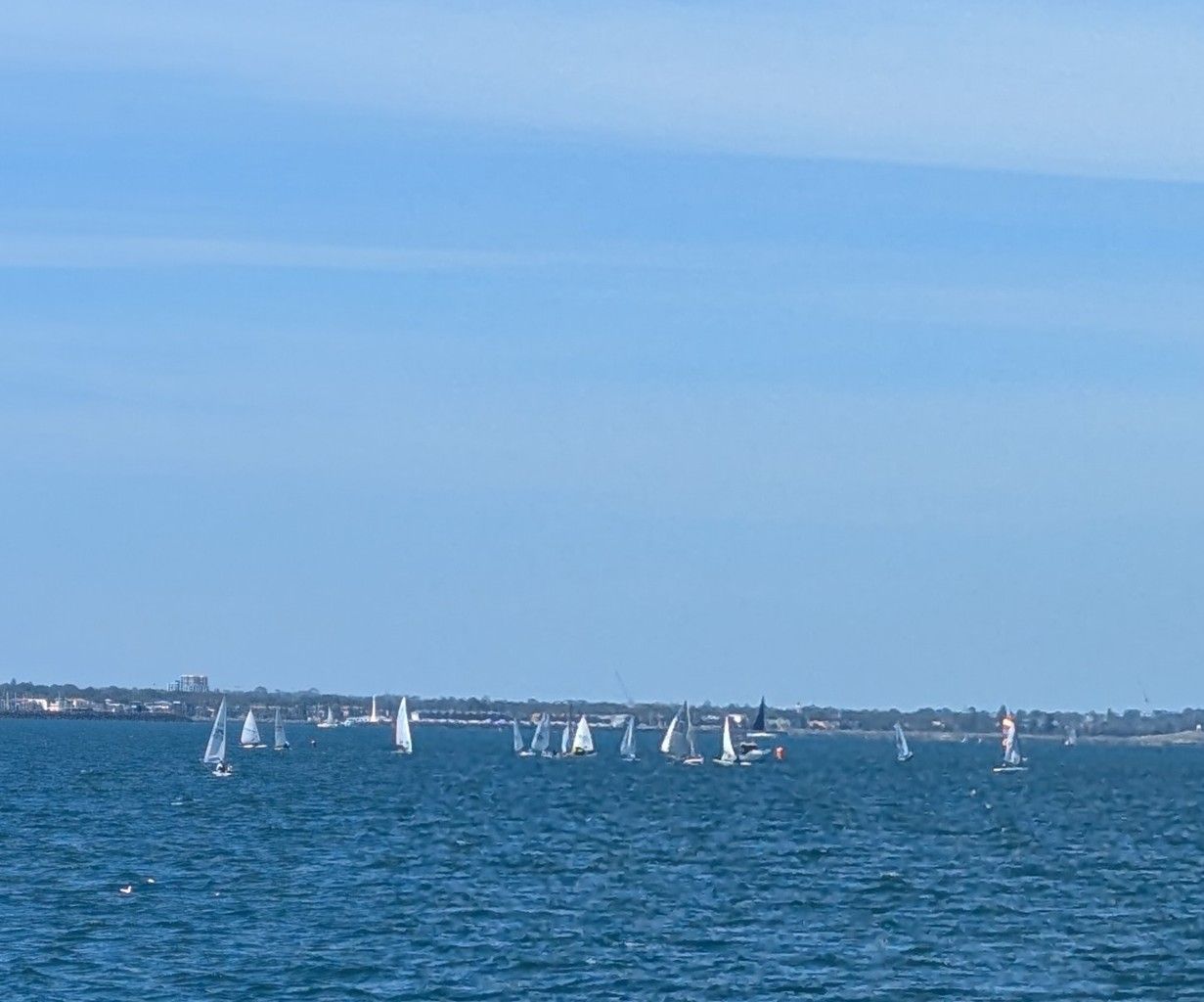
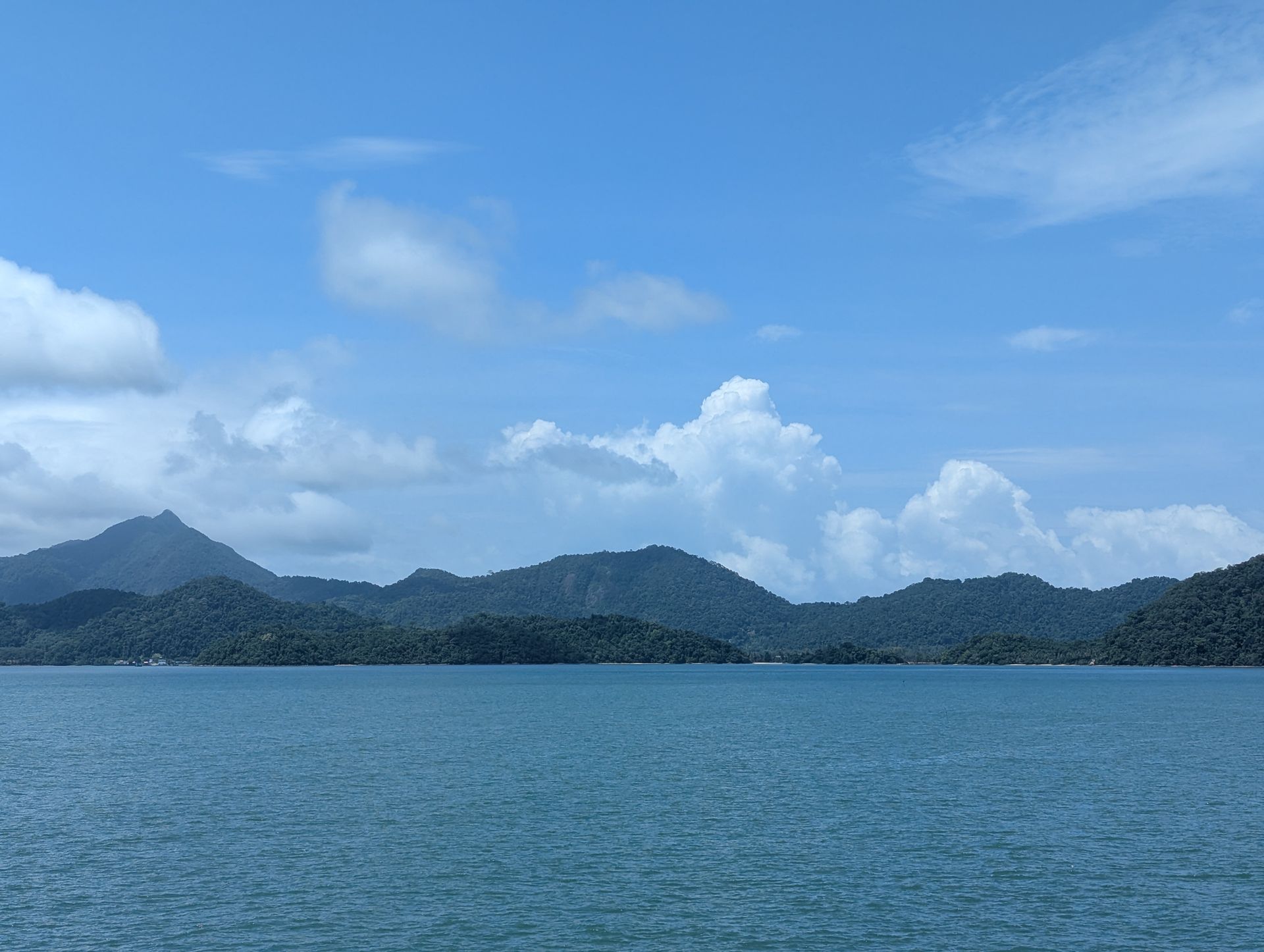
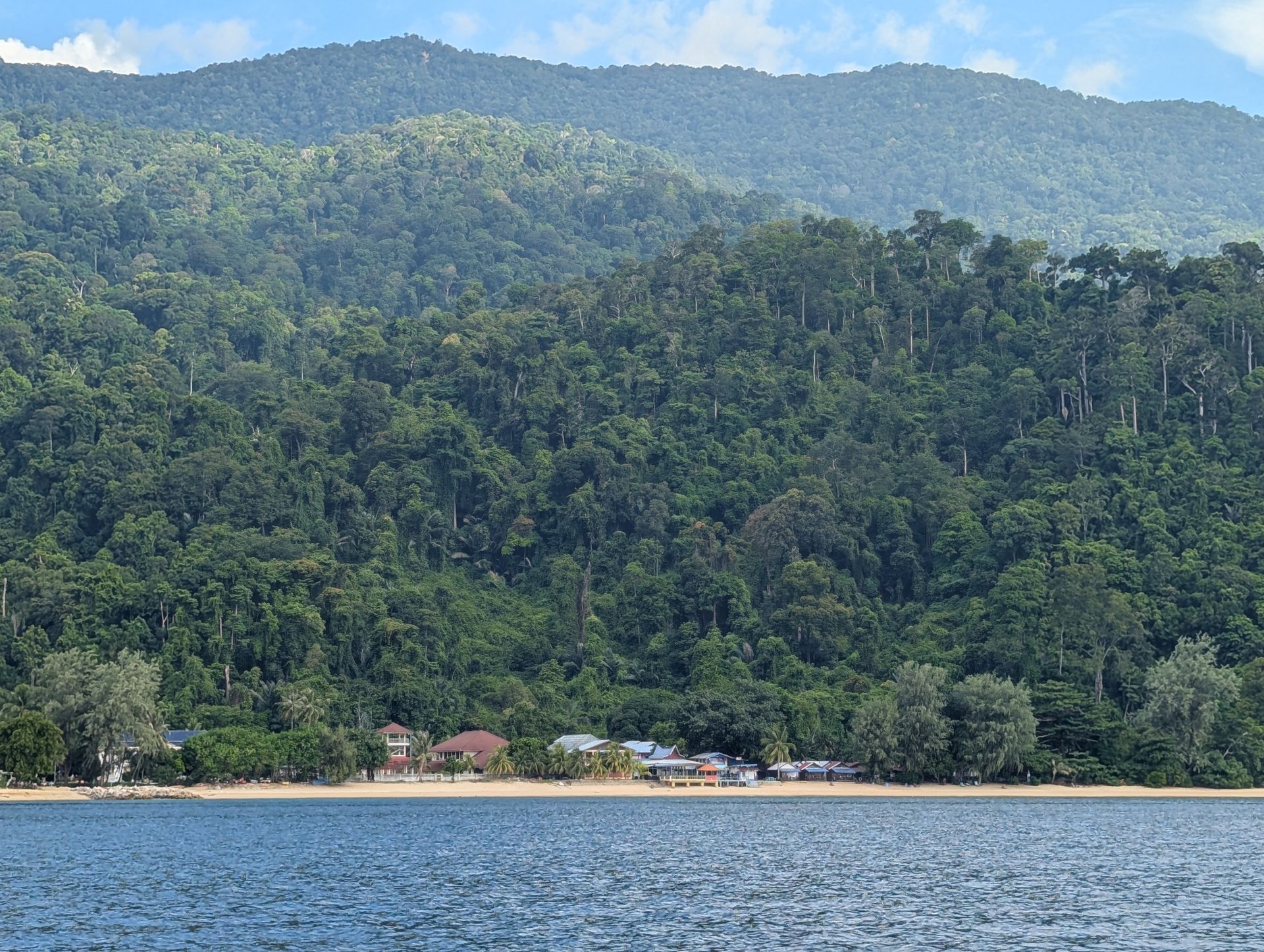
The yellow pilot boat is approaching. A pilot will be brought onboard to guide our ship through the harbor. As we progress, a stretch of islands pass us on the left then, the coastline, on both sides. Sailboats, white triangles against the dark blue water, shine in the distance. Cliffs drop sheer from the pastureland to the tan beaches. Dark green groves fill the crevasses. We cruise along under the dome of the sky. Soon we will be docked at Port Melbourne, Hobson's Bay, Australia.
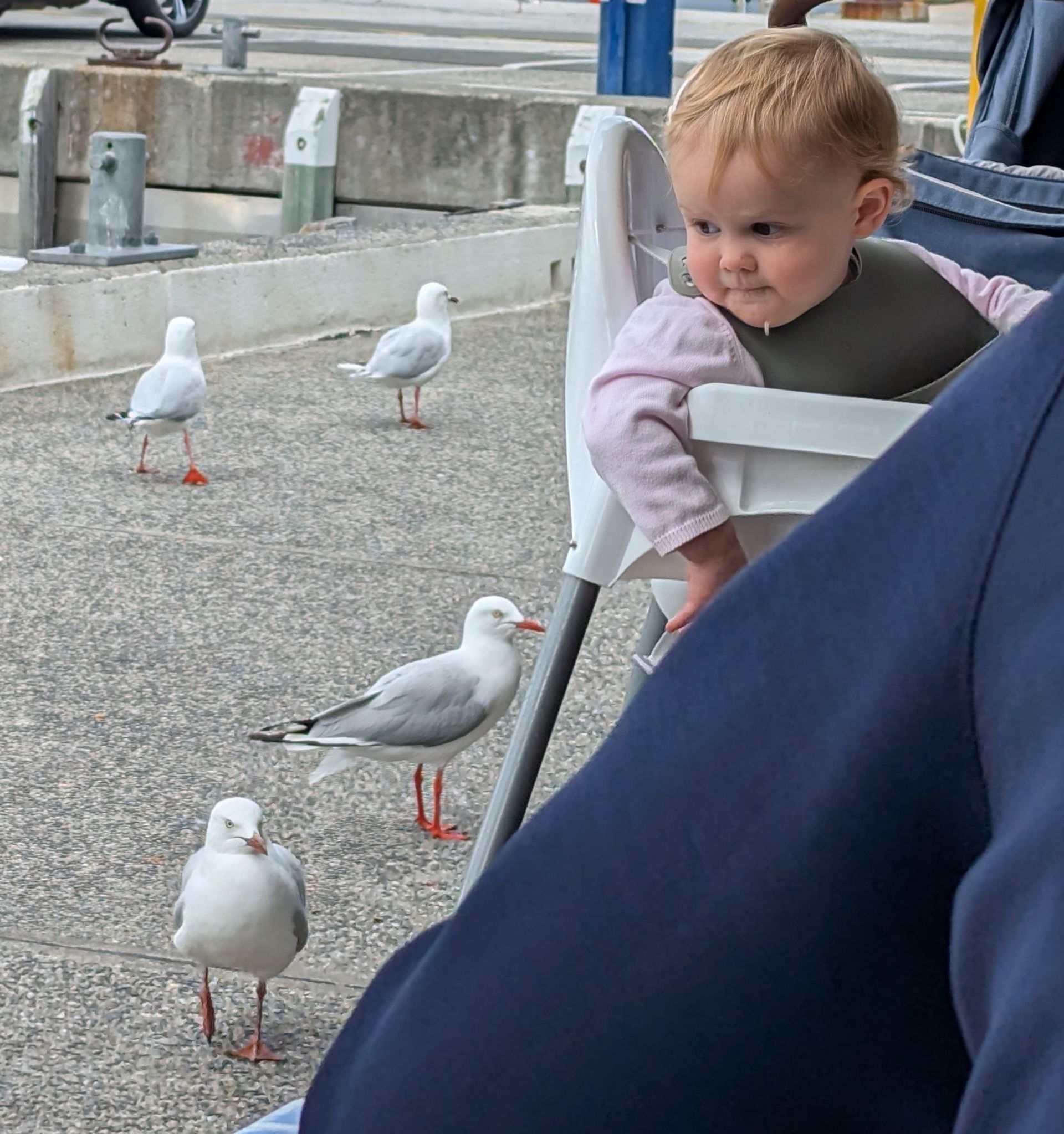
Living life onboard, traveling around the world, I feel like a spirit watching the living as they go about their activities. I am a temporary exhalation, undetected then gone. But their doings remain in my mind. Humans are so very busy, especially the young adults. It takes significant aging to bring on stillness and reflection. My obscurity can make me sentimental. I feel a general affection for anyone who passes. I saw a baby watching sea gulls eat the French fries that someone had tossed to them. I imagined her forming her own impressions of everything around and not yet named. I wished her well and hoped that the war would end soon.
I want lives to continue, plans and hopes to be realized. I want her to be spared the knowledge of war. People are just starting to get used to their new connectivity in our Worldwide Web. (Or is it even called that anymore?) They are learning quickly from each other and can amuse and educate each other from great distances. All the economies are linked now. A string plucked in Australia can be heard in Canada. We wear, use and eat things that come from thousands of miles away. We are just getting to know each other, to be interested and adjusted to other solutions, other ways of living. We know we don't want wars. Even the nation's leaders, so far, are refusing, at this time, to get involved. “This is not our war.”
The ones who want to break things are very loud. They jump onto the Internet using anger and insults to get attention, temporarily disorienting society. The expression of interesting thought, occasions for useful discussion that can enforce agreed upon law, these are more scarce, take time and frustratingly they follow in the rubble of destruction. It is easy to break things, putting them back together takes a long time.
There is a lot going on. For the most part the profound structuring that International Economics has accomplished, over the past 100 or so years, is not understood by most of the population, but its results are clear to everyone. Approximately 20% of oil flow, stopped at the Strait of Hormuz, raises oil prices worldwide. It is a fair trade item. The companies that control the price per barrel are not humanitarians. They are opportunists and not expected to behave compassionately. The subject of oil is discussed in all the news. The Strait of Hormuz is controlled by Iran. Oil is the blood of the Economy. Everything that is manufactured, transported and traded country to country has been disrupted. “What can we do?”, “When will this end?”, “How will it end?” These are the questions asked, over and over. Is this war building to a third world war? Are nuclear weapons being considered? How unhinged has this all become? No one was consulted. The decision to go to war was made by a handful of people. We are stopped in our tracks, hesitating, looking around nervously, like a silent herd of deer. But one important thing that we all can see is that the International Economy is stronger than any country or leader. The final result, that no one can predict, is quietly resolving itself, alignments are moving into place, responding to the demands of the market, the demands of economics, and meanwhile we are adjusting. A pattern has not yet been finalized, but nothing will look like it did before. At this point in history society is starting to understand that the Economy is our World Government.
Money works as an organizer. If distributed equally, it can result in a shorter work week, less production for profit only, more renewable energy, an emphasis on efficient basic needs production and distribution. Humanity would benefit, Nature would benefit. AI can help, robots can do menial work. Job sharing, and remote work would be the norm. But presently money is elusive, running like water, out of your wallet, out of your bank, always being called back to its source. And no one can predict the timing of these movements. It is constantly mutating toward where it finds profit.
I see the effects of 16th to 18th century colonialism wherever we go, in the design of the governments, the architecture, the religious options, education, healthcare, what is for sale, what you can buy, their commercials, their food and their shelters. International economics has continued this trend by enforcing a kind of Worldwide Colonialism. Its for profit emphasis encourages homogenization and enslavement that encompasses anywhere and everyone. Any dictator, colonialist, president, prime minister, king, emperor, etc, who thinks he or she can control this is mistaken.
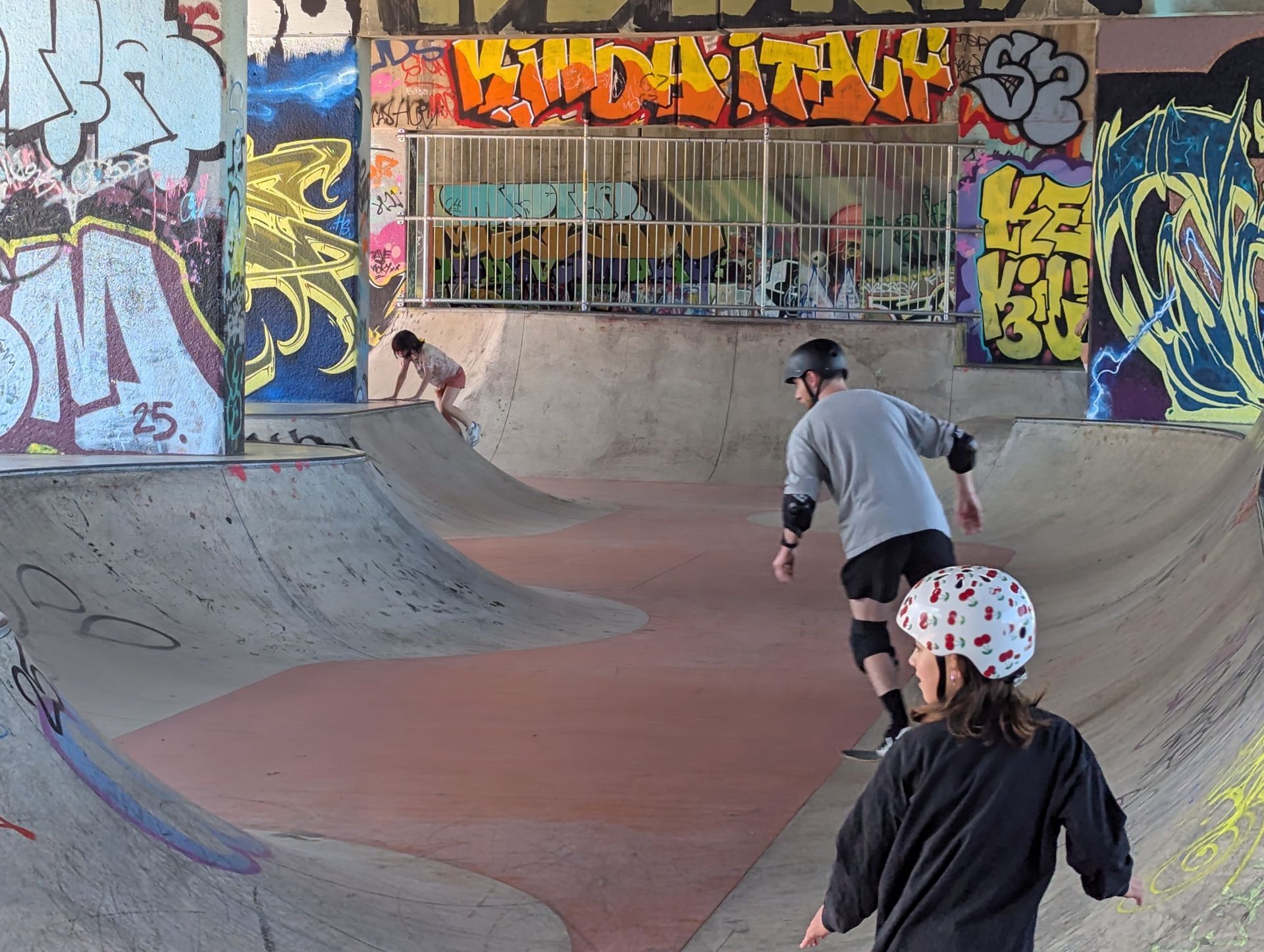
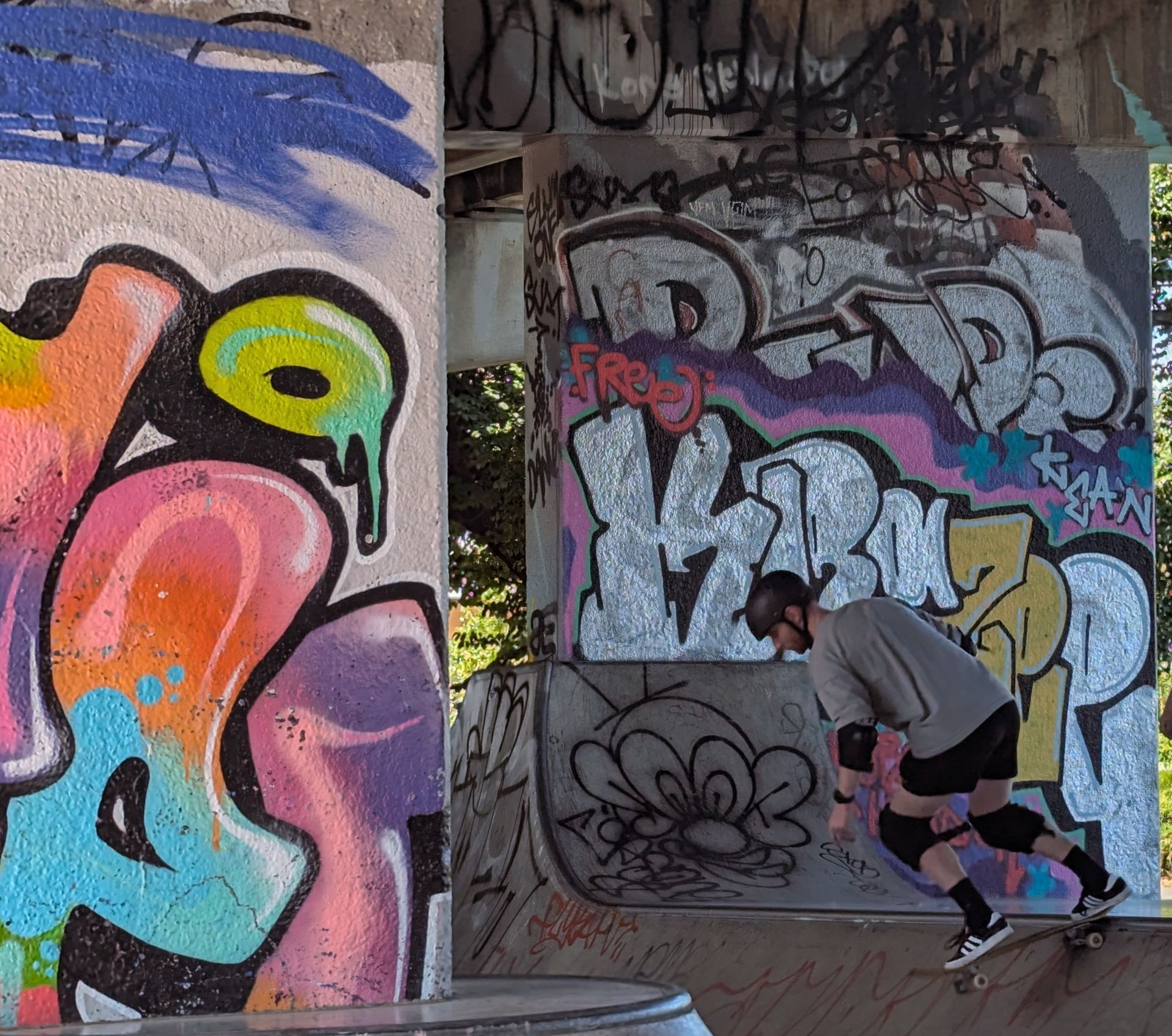
I can't help seeing that people suffer. I have watched the freedom and grace of young skateboarders under a bridge in the knowledge of how short this exhilaration will last.
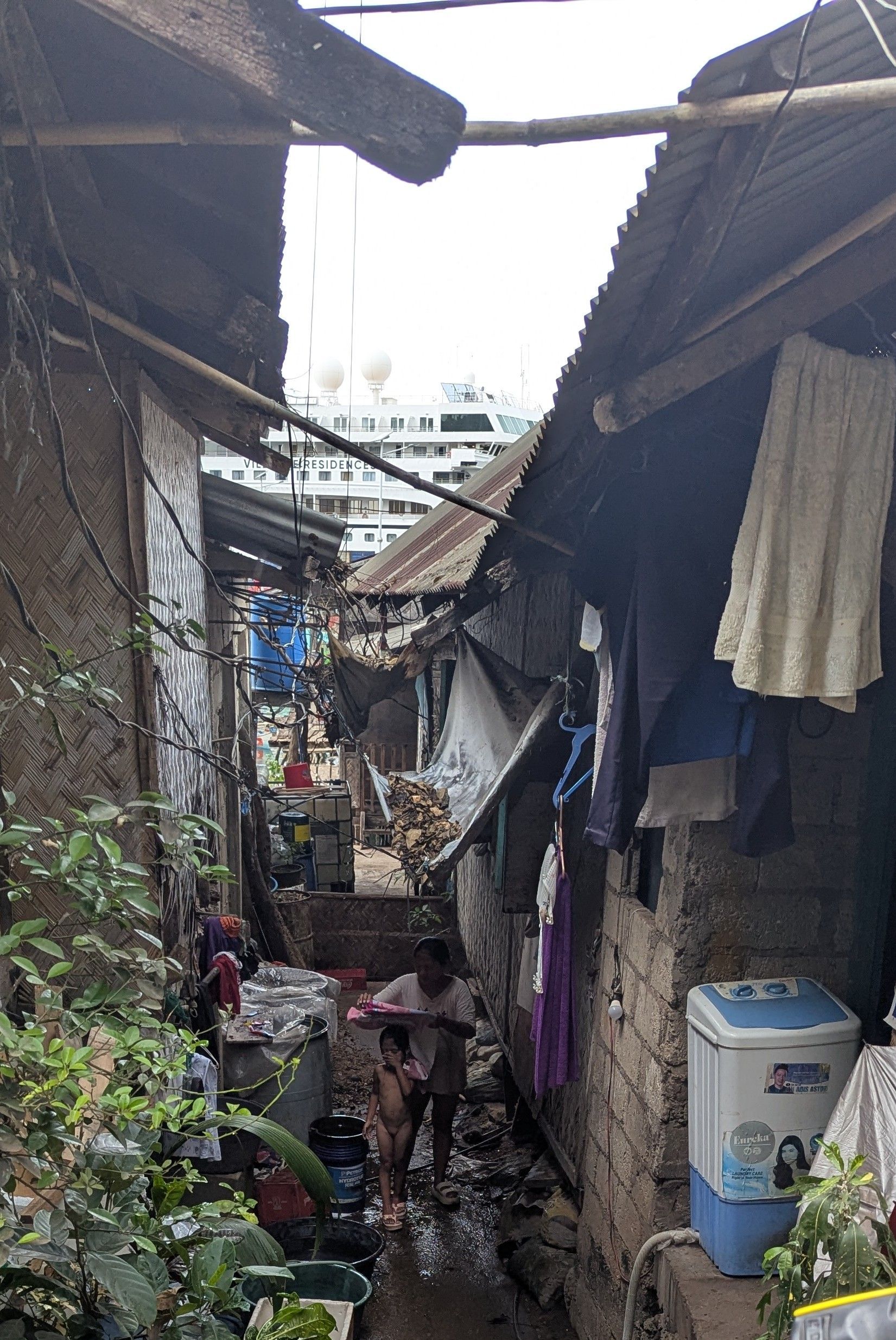
Making a living is our powerful necessity and distraction. It occupies us through most of our lives. The suffering is more obvious in the poorer countries, less hidden. People sense that they are rushing past something; something valuable, fleeting, maybe wonderful. This is a silent loss, and takes a toll. Most people can't stop making a living, instead of living, until they are too weak to work. Very few have the free time a monetary legacy at birth would bring. Free time should be everyone's birthright. It is where innovation, creativity and philosophy are developed. Things that help society mature and survive.
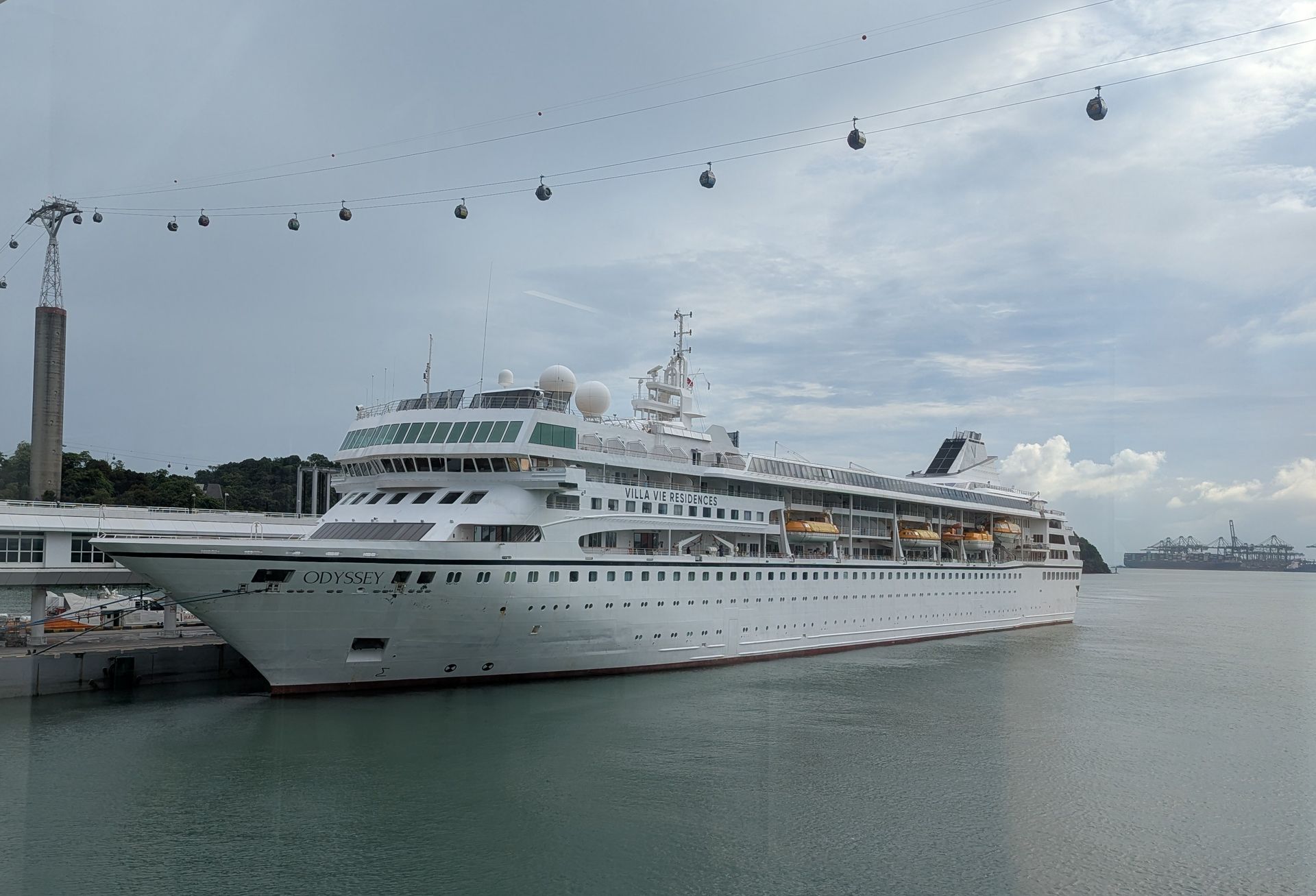
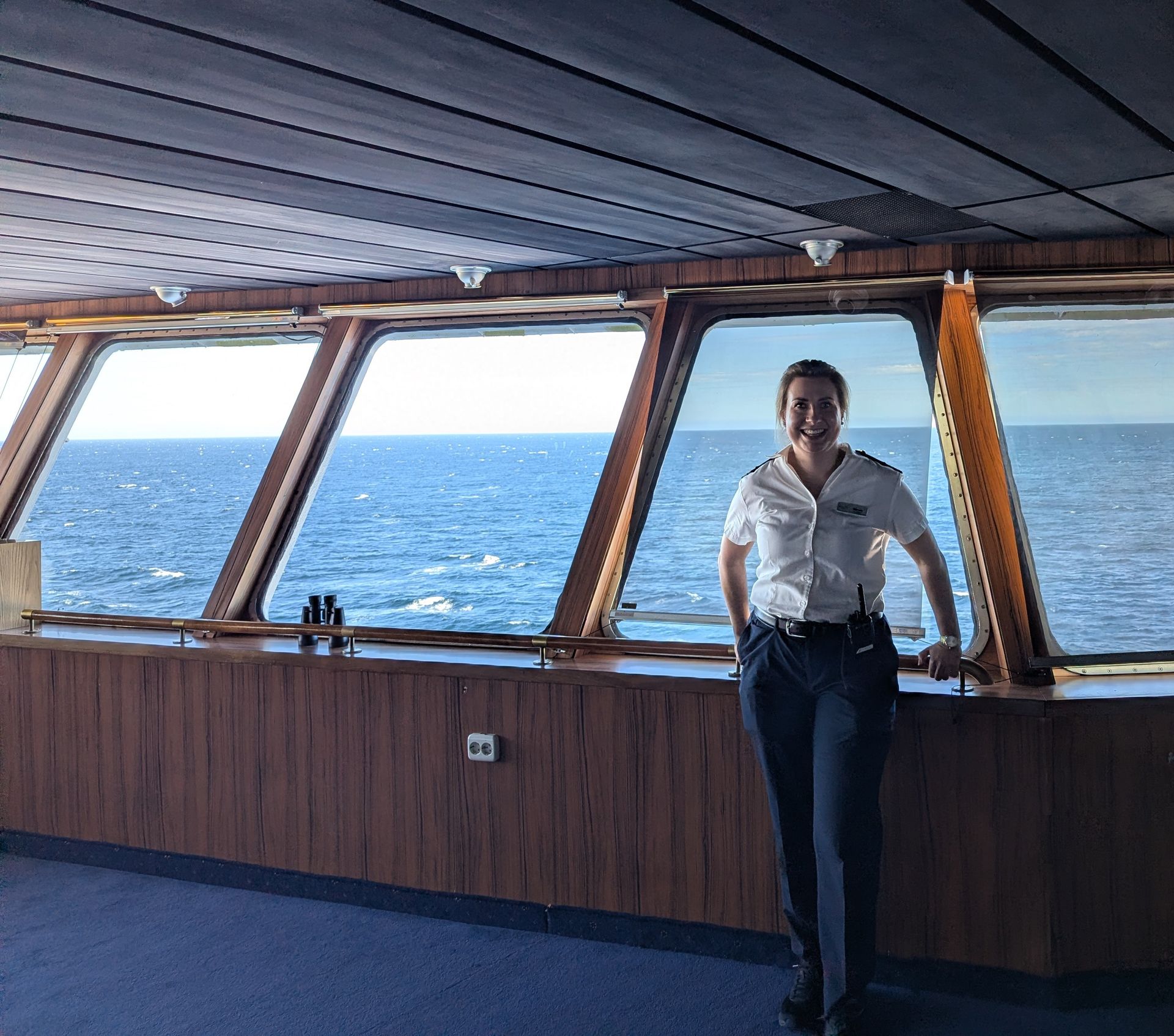
We were invited as a small group to visit the ship's bridge. That place where all points are taken into account, the depth under the hulls, the satellites above, our speed, our course, other ships out there, distance to land on port and starboard, the effects of weather, the balance of the ballast, the leap of our bow and the disappearance of our wake. A brilliant young woman described the functions of the instruments that record and announce these things and we all felt well taken care of and safe afterward. All is well on our good ship Odyssey, for now.
We generally stay 2 or 3 days at each port. Just long enough to get an impression. Like the joke about the blind men trying to decide what an elephant is by touching only one place on the animal's body, I try to form an impression of each place. What is surprising is how similar they are! I can extrapolate from my experiences and observations during my own long life. I recognize familiar things and begin to understand the human behaviors and evolutions of the environments that I am seeing. My gut feeling is that we will make it. We will go beyond war, we will not need so much oil in the future. We will have shorter work weeks and more free time. And I'm not even an idealist!
The lines are being thrown to the hands on the dock. We have arrived in Melbourne.