Fremantle; searching for authenticity and fuel
Sea days pass differently than land days. At sea the ocean and the ship's passengers are the changing features. Land life has extra distractions, vehicles, shops, museums, temples, churches, gardens, bird song, dogs barking, taxi drivers, venders, airplanes, the full extent of human activity.
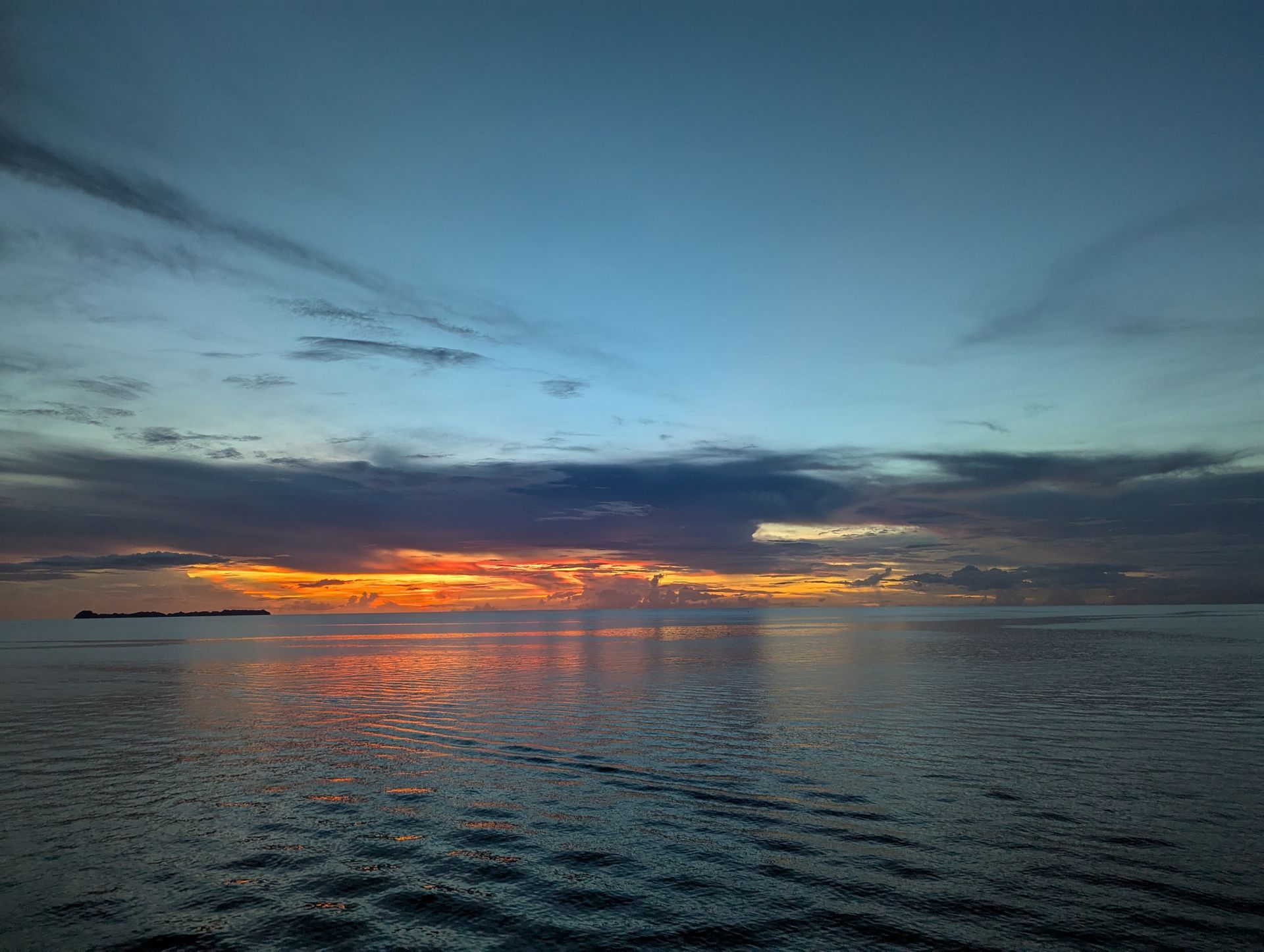
During sea days I prefer to observe the ocean. I am aware of the passengers; like being part of an extended family or small village where you know most of the people a little and a few well. But the opportunity to be on the water for long periods is special. Sometimes, when the ocean is calm, a criss-crossing pattern may be seen on the surface, a delicate weave of vibration. I wonder if marine life is creating it, communicating. Other times the water heaves and agitates like an angry crowd is running here and there under a silk sheet. We sail six days from Adelaide to Fremantle, for the most part we encounter easy swells on this trip. The ocean lets us pass with tranquil, breathing heaves up and down.
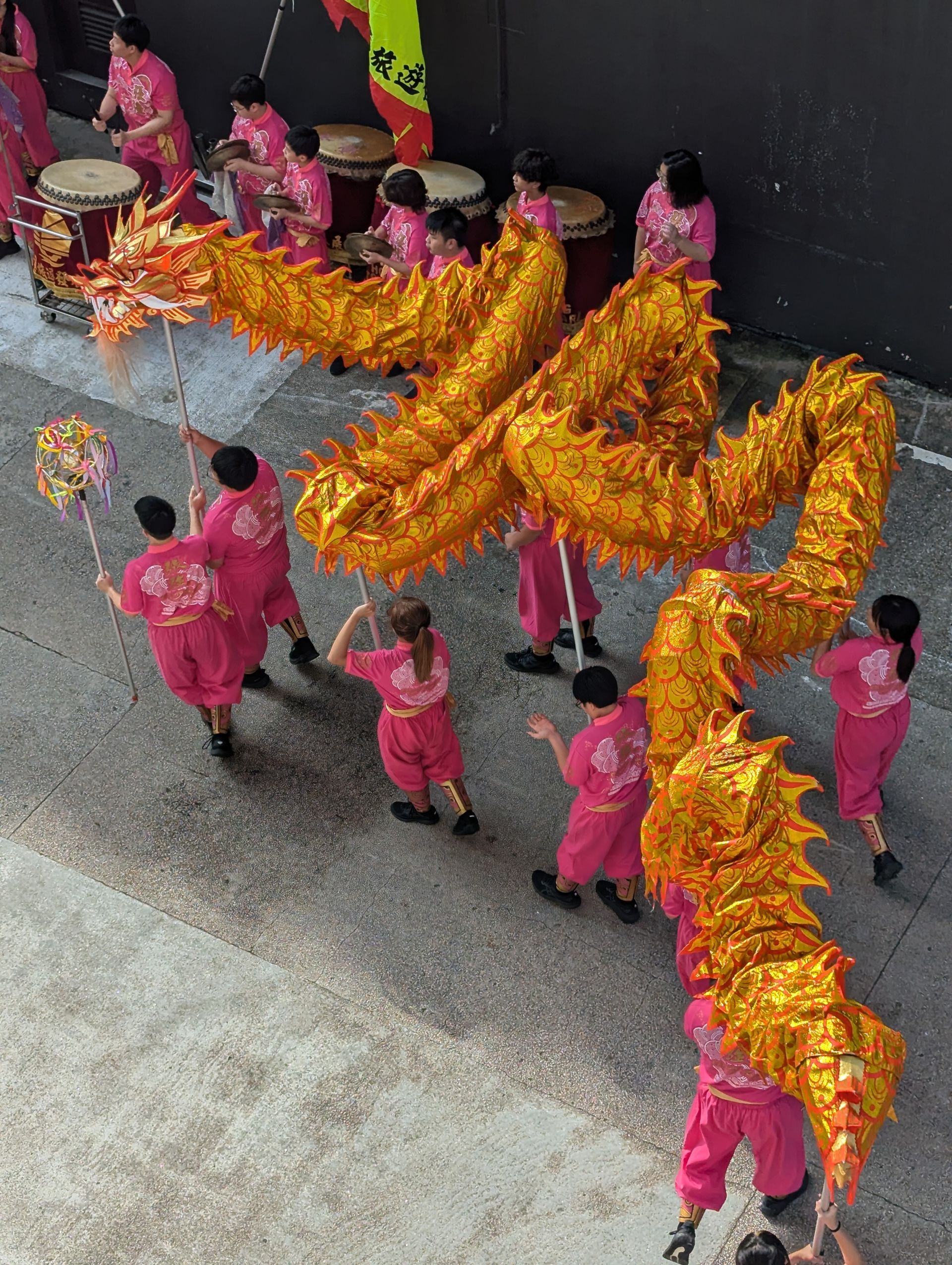
When we arrive there is an art festival in progress downtown. Crowds of people have traveled by train from the suburbs. We walk in. Some streets are blocked, making way for displays of crafts, performers, food venders and pedestrians. People are all around, eating, talking, buying stuff and watching the performers. Clowns, singers and acrobats compete for attention and overhead huge soap bubbles float, generated by the children nearby. It is a perfect day and everyone is out to have a good time.
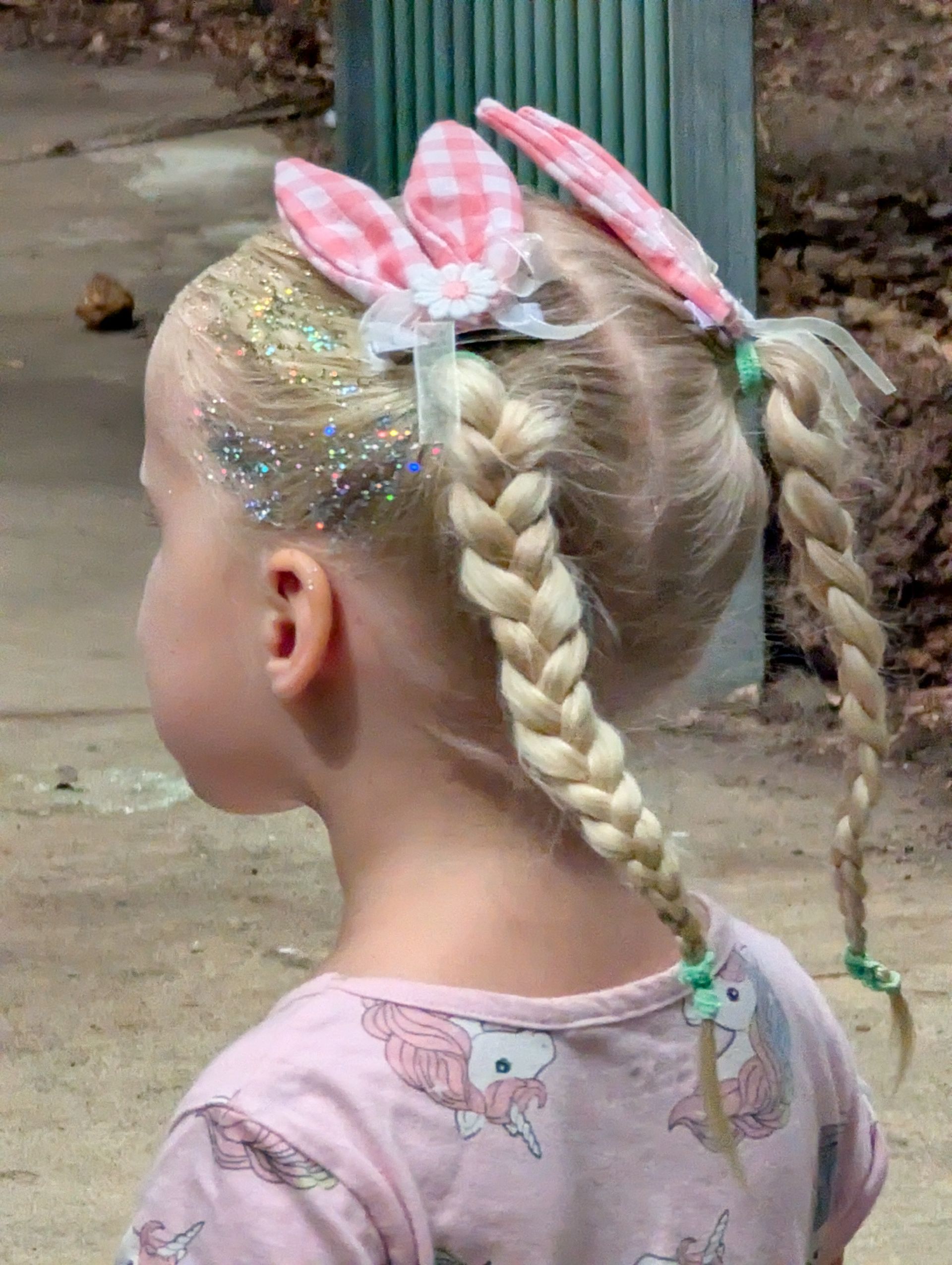
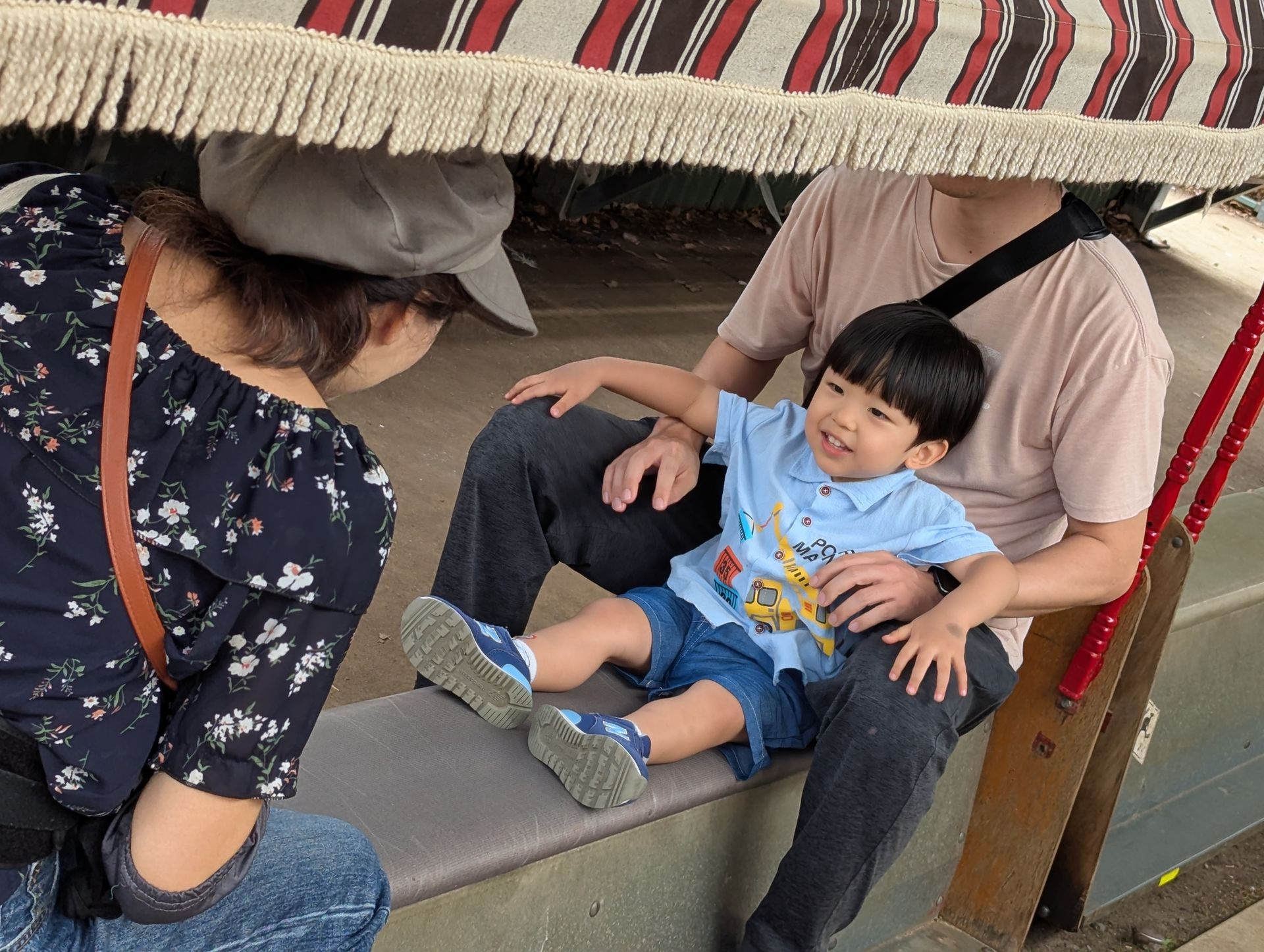
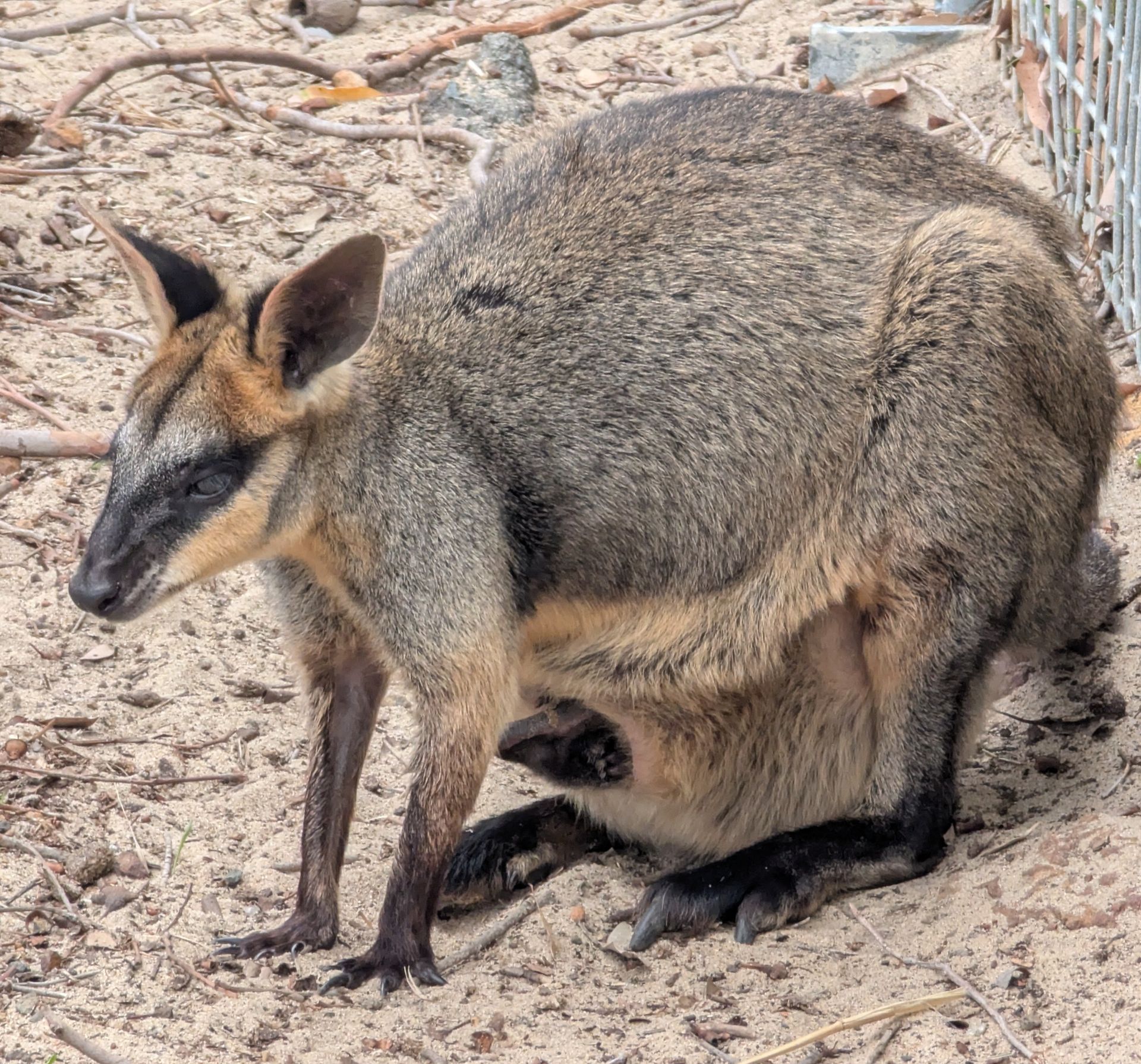
On our second day in Fremantle we decided we wanted to see the unique animals and birds of Australia. This is our last chance. We leave Australia in the morning. We joined three other passengers to go to the zoo. Our research revealed a zoo that has collected them all in one place and many of them can be petted and fed! Perfect, personal interaction and convenience. No hiking for miles to spot a bird or a fleeing kangaroo. We rented an Uber. The trip took us a little more than an hour and became a tour of Fremantle past and present, which, like Hobart, got its start as a penal colony.
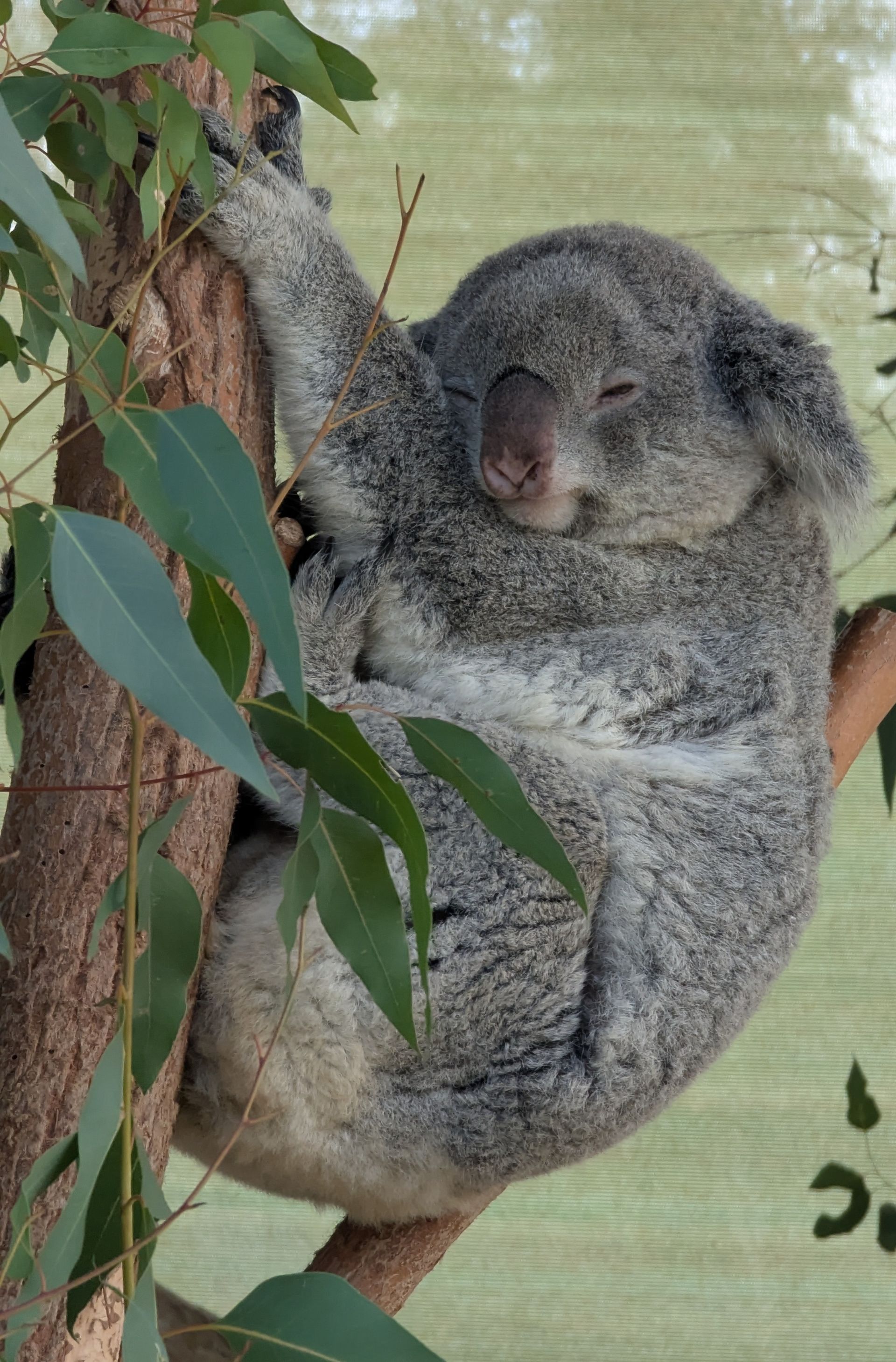
As we leave the port area we pass the structures the prisoners built from tan stone blocks. They have mostly been repurposed. One, which looks like a castle, is now a performing arts building. Part of the original prison is a tourist attraction. Other buildings, all identified by the stone work, may have been housing for the wardens, guards and government officials. Some of these look privately owned. Driving on we are soon into new construction; neighborhoods with their support structures of stores. Many are recognizable names; Kentucky Fried Chicken, Burger King, Hungry Jacks, McDonalds, Aldi's and Seven Eleven. Everywhere nature is pushed aside, left as clumps of trees here and there or a strip along the sidewalks and roads, squeezed. A lone koala has climbed a eucalyptus that grows on one of the “tree islands.”
We proceed past new suburban developments for miles and miles and into and through the city of Cockburn, beyond which the housing slowly gets sparser, developments farther apart, by still there are a few new suburbs being built, many with solar panels on their roofs, looking alike and pressing into the rural land, trees burned down in advance, new roads being laid. We pass small ranches with a few horses each. This looks like Central Florida in the US, along the Caloosahatchee River.
One of our company wants to hug a koala and this influenced our choice of zoo. As we approach our destination things are building up again. In the middle of a new suburb, a dirt parking lot and a small sign on the chain link fence announce our arrival at the Cohuna Koala Park, aka, the Cuddle-a-Koala Park. A life’s work of one Australian couple.
We learn that they have, over 50 years, developed housing and collected animals for this park designed for children and their parents to enjoy and learn about the bazaar animals of their homeland. And as if that was not enough, they have strategically placed life-sized dinosaur sculptures throughout. You can ride a narrow gauge railroad to tour the park. It includes two tunnels!
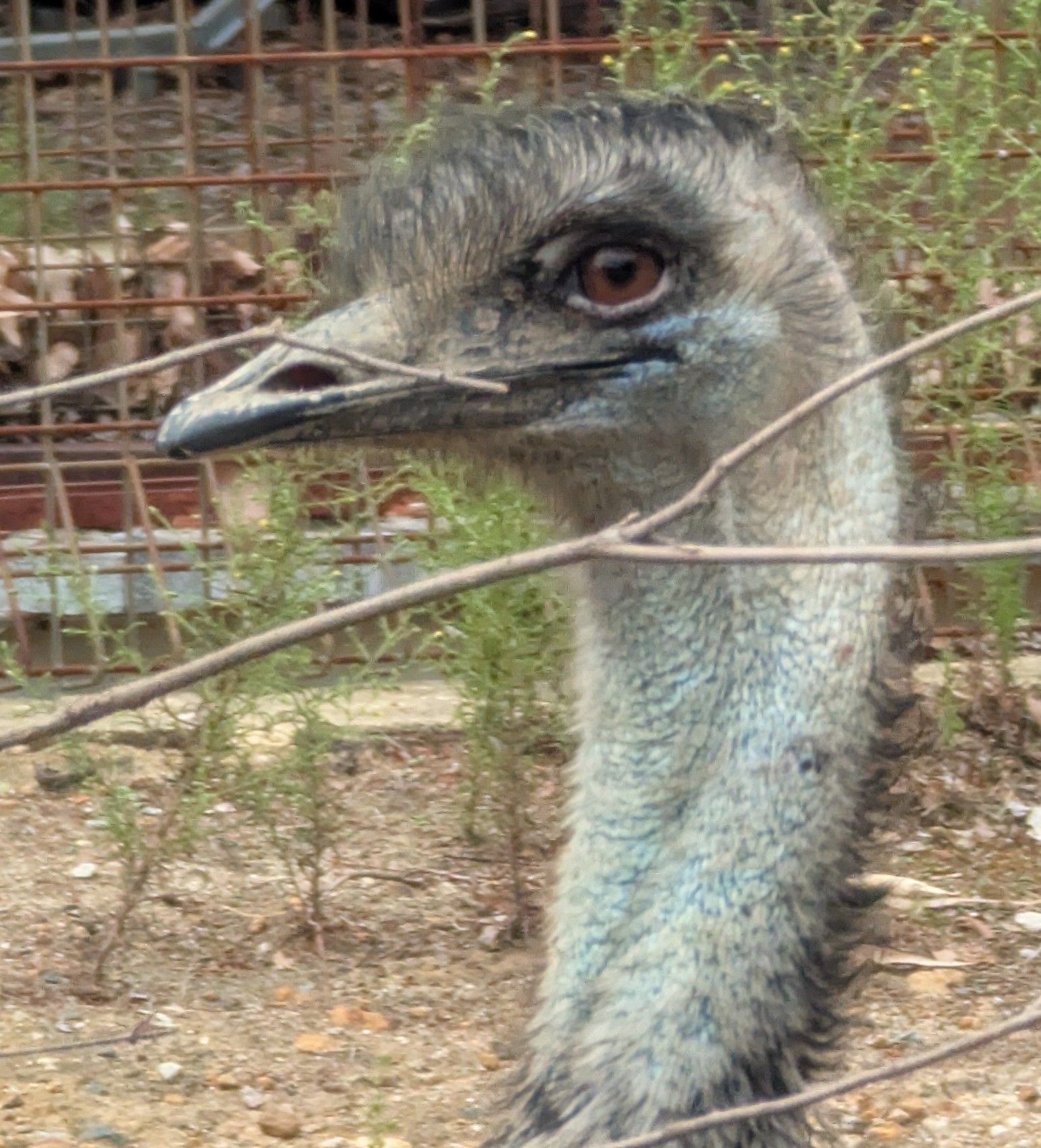
And there is a partially finished observatory at the center. This is a magical place. The inventors are both very elderly and we met them as they were coming home and we were leaving. Their house is inside the park enclosure, 30 acres of chain linked sanctuary for a select group of kangaroos, koalas, parrots, ducks, geese, emus, dingos, wallabies, echidna and weird two ended lizards, that is keeping back the press of suburban development, for now. Colonel Sanders, Michael Jackson and John Denver all hugged koalas here as photos of them proudly announce. Unfortunately there are signs of deterioration. The zoo may not outlast its creators, but their son is ‘thinking’ about continuing it and not selling out to the crush of commercialism.
Fremantle is our last stop in Australia. Our itinerary has changed because of the economic shift the war in Iran has caused. Several ports have been cancelled because fuel is unavailable.
The equation that neo liberal economics (capitalism) follows, (let the markets control all the outcome), the war has now made its defects glare, and its inability to fix what it has broken. Extreme damage is occurring. People are getting less food, fertilizer and fuel. This is affecting every country. Prices are going up. Businesses closing or laying off workers. Fuel is being rationed in some countries and already in the ones we are in and will be visiting; Indonesia, Philippines, Singapore, Vietnam, Cambodia. Fuel is the blood of the economy, and money is essential for each person's survival. Money is perceived value. Emphasis on profit over sustainability = the destruction of life on our planet. The shift that this war has accelerated is taking us even deeper into a cavity of airless indifference and the care takers of that realm are even more obvious.
How do we get out of this? Can we influence the trajectory of the economy, influence history? Yes, if we insist on basic human needs being provided by every government world wide as its primary responsibility. This is not simplistic, it is absolutely necessary. A path that includes a designated, infrastructure for providing basic needs worldwide to every person from birth to death is the direction that is now unavoidable. For about 15 years Renew the Earth has been advocating a Parallel Currency structure that provides humanity, sustainably and efficiently, with their basic needs; food, shelter, education and healthcare. These things are the most obvious and cheapest things a government can do for its population. Many countries already do this for their military. Once humanity is stabilized, tensions lessen, migrations lessen, people can recover, think, create and innovate. More than half the World population that struggles with basic survival is lost to society. Without basic needs they cannot realize their potential and contribute. When they begin to have free time, new intellectual and work related skills will unfold. Ambitions that had been set aside proceed. The stabilization of Nature that has begun with renewable energies and electric vehicles can continue. Like the instructions in an airplane when the oxygen masks drop down, ”secure your own mask first before assisting others.”
We took a tour of our ship's engine room. The chief engineer assured us that our travels have been redesigned to make sure we can get enough fuel to continue. Even Biodiesel is being purchased. Its price is lower now than regular diesel and all the countries we will visit make it. The owners appeared to us on a video link to answer questions and reassure us. But they have no idea when the war will end and when its effects will end. Nobody knows. There appears to be a stalemate. We are told that Singapore will be our most reliable fuel hub, so we will return there several times. They can hold out longer because of their wealth. But that is referring to the wealthy and their activities. The rest of the population, which is the majority, is already suffering. Poor and elderly citizens are at risk. They cannot hold out for any long period. There is food scarcity and people are sleeping rough.
Maybe there is something positive that can emerge from this war, an opportunity opening for a surge of renewable energies and electric cars, (using fossil fuels as a condiment to build these industries), less willingness to allow governments to wage war and an understanding that every person has the right to access basic needs, and that this will bring about the best outcomes for society. If we remember how vulnerable we are now, (how dependent on fossil fuels, their sale and manipulation), and work towards these possibilities in our countries, we can influence history's course. We won't doom another generation to the horrors of war.
Humanity has survived many “slings and arrows” of misfortune over many thousands of years but at this point we cannot understand how we will get out of this mess. Nobody knows how it will end.