Tasmania, Hobart
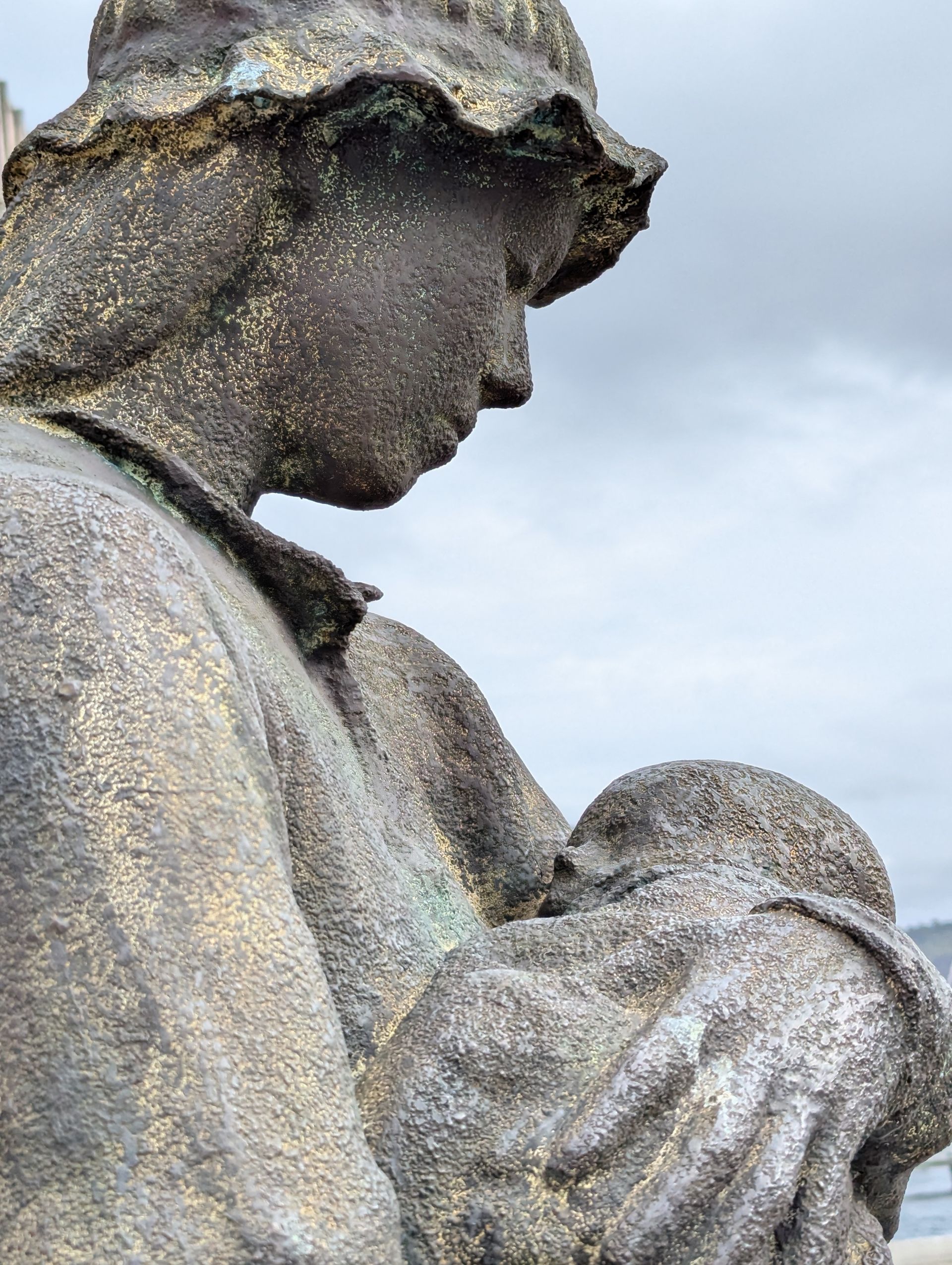
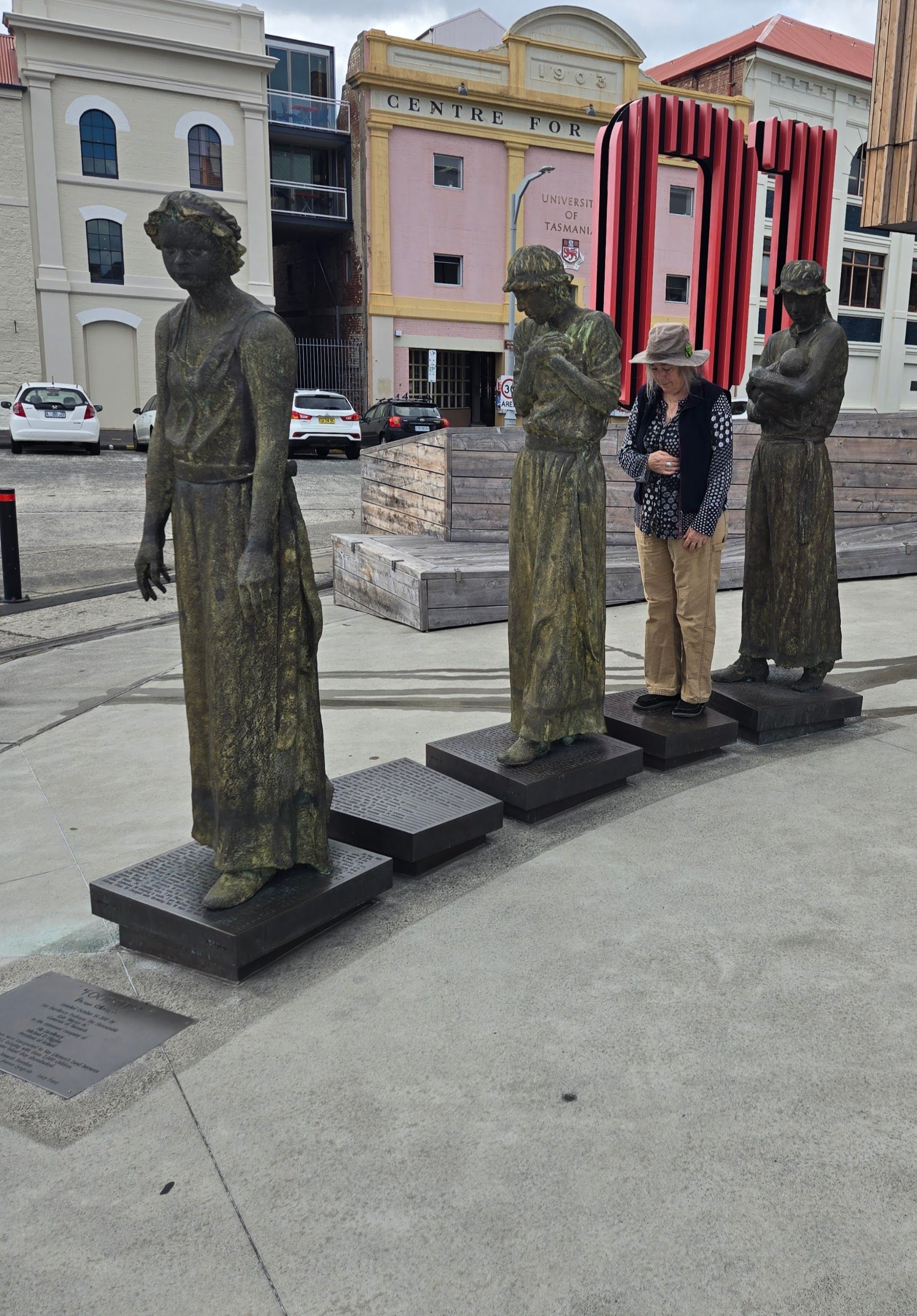
Our stop in Melbourne was only for a day. There are plans to return after we visit Tasmania, which is just south of Melbourne. When you look at a map you can see where the island broke from Australia, a ragged triangle torn from the continent. England brought their convicts here to establish a penal colony in 1803, (convict transport ended in 1851, 50 years later) the colony eventually became Hobart, the capital city. Convicts were brought by sail. All the way from England around the southernmost tip of Africa, Cape Agulhas. A cape historically known to clipper ship sailors as a significant hazard, notorious for mammoth rogue waves of up to 30 meters (100 feet). What could these unlucky people have done to be banished on such a dangerous trip and so far away to an “uncivilized” island? Turns out prostitution and unwed pregnancy was enough to get sent there if you were a woman. And being an orphan, if you were a child.
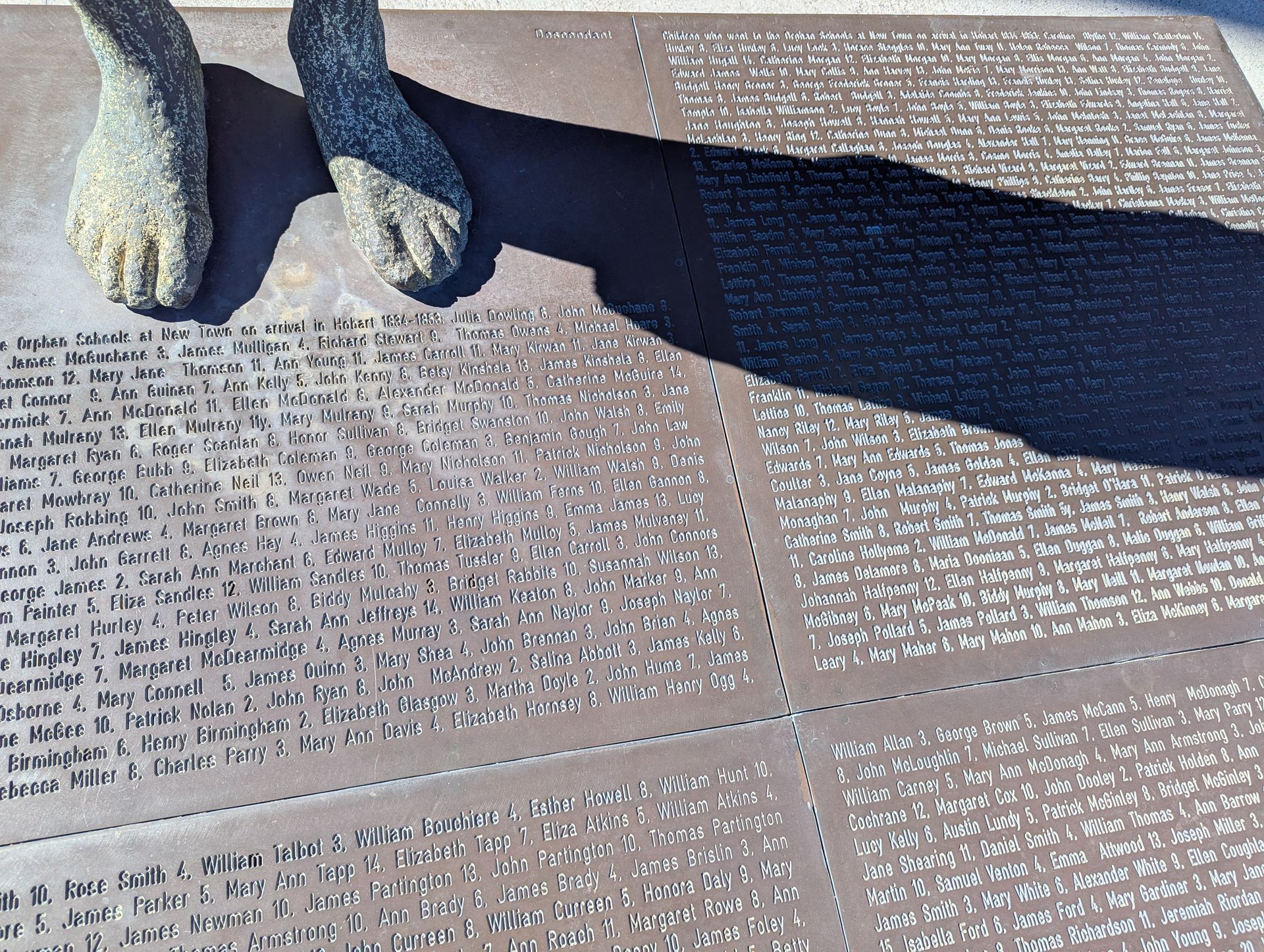
Certainly there were real convicts too, murderers and the like. But being poor and stealing to survive were also, at that time, crimes in England. When the male convicts got there they were put to work building a prison.
One of the convict ships that departed England for the three month trip to Tasmania, was the Rajah. It left England in April, 1841 with a cargo of 180 female prisoners.
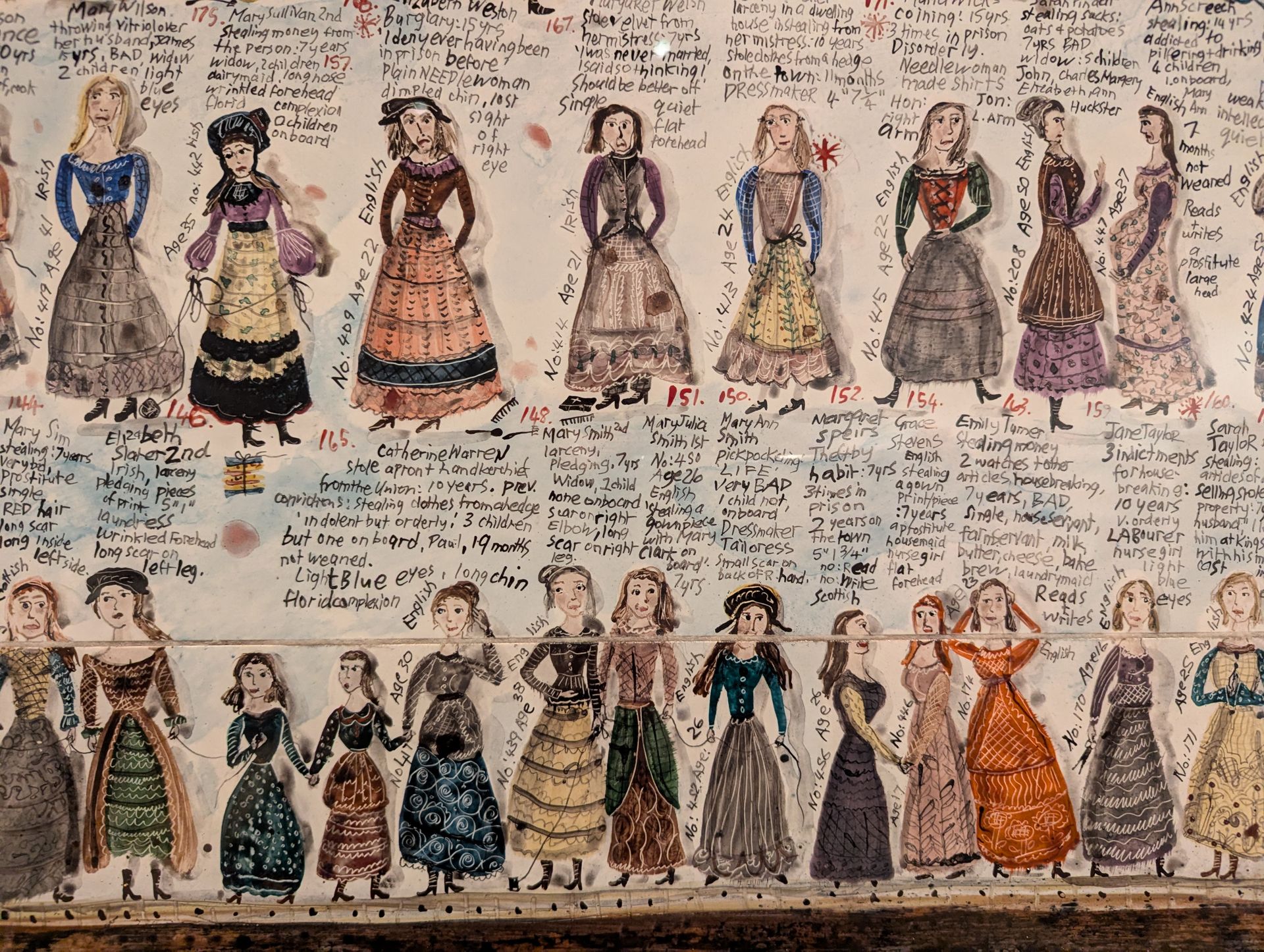
During the voyage they produced a quilt, known as the Rajah Quilt, to demonstrate to the Ladies of the British Ladies Society for Promoting the Reformation of Female Prisoners, that they were industrious. The resulting quilt is now valued as a work of art and a cherished historical artifact. The Rajah arrived in Hobart, Van Diemens Land, July 19,1841. During the 25 years that the Ladies organized these voyages, 12,000 women were transported on 106 ships. It was documented that many quilts were made during these journeys, but the Rajah Quilt is the only one known to survive.
Let's go back a few thousand years, before the British arrived on the coast of Tasmania, and listen to some of the voices of the Aboriginal People. “Country holds the knowledge of the Old People… They are still here - in the trees, in the wind, in the Earth and in our hearts. They will always be here - as will we.” “ The government does not, nor do we wish them to, keep us or our children. Whatever land they have reserved for our use is token… It has been given in lieu of that grand island (Tasmania) which they have taken from our ancestors.” A description at the Hobart Aboriginal Museum asserts that, “They knew their Country intimately, adapted to the environment and sustainably managed the land for thousands of years. Families shared their fire, food and shelter. Clan groups of extended families came together to hunt and hold ceremonies. Tribes comprising several clans had collective rights and responsibilities over a large home territory.” Then I read the reaction from an Aboriginal spokesperson to the arrival of the British, “... this country was fresh, clean Earth and Moihernee the Great Spirit made the first black man… then raytji, (white man), came. They took our land, killed our men, and stole our women and children - it was an invasion…It became a war for survival. We never were defeated - but we could not win.”
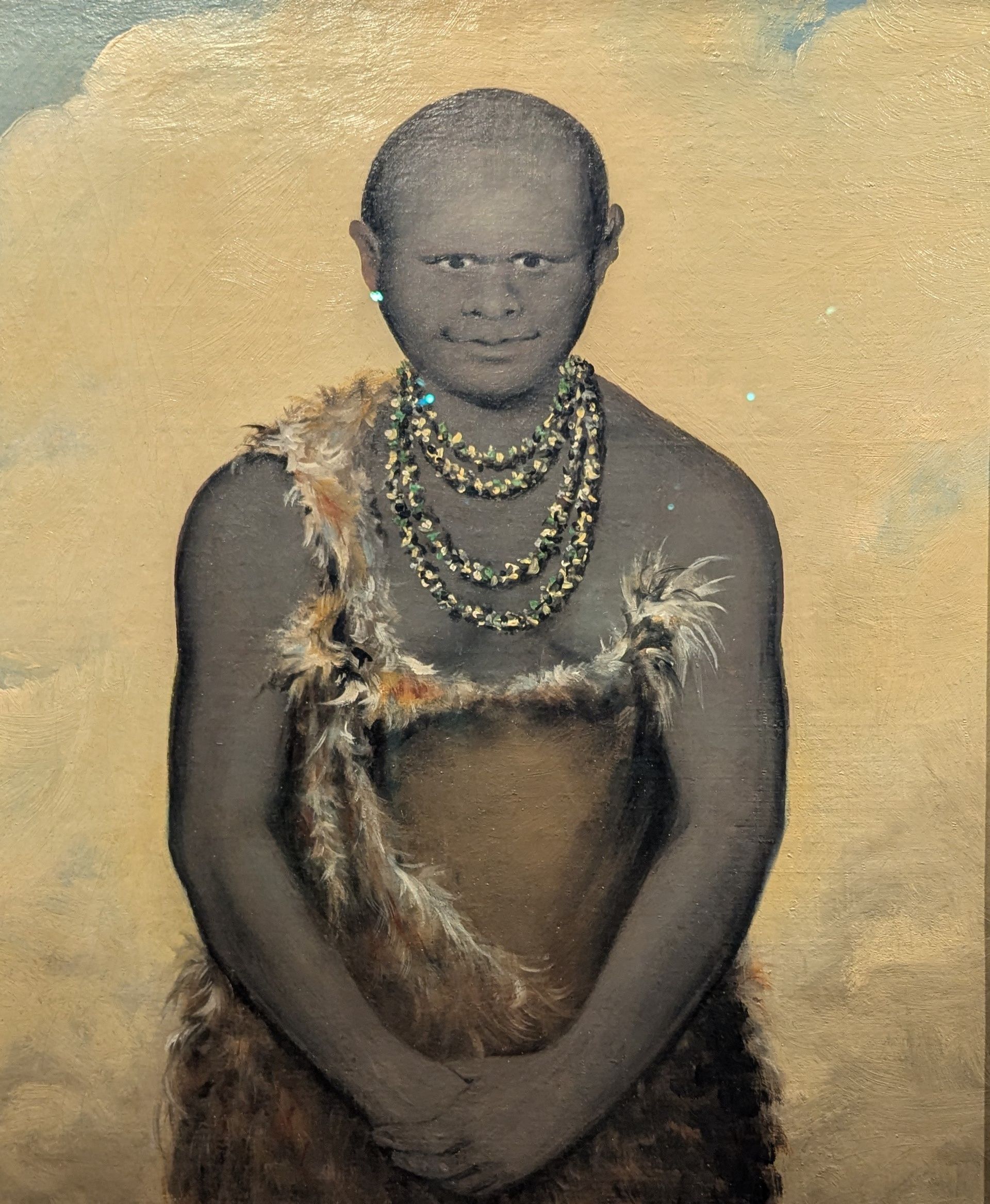
The reply from the British to the distress of the Aboriginal People was, “We make no pompous display of Philanthropy. The Government must remove the natives… If not, they will be hunted down like wild beasts and destroyed.” Traditional practices were forbidden. Children were removed from their parents. This formed the template for Aboriginal reserves and missions throughout greater Australia.
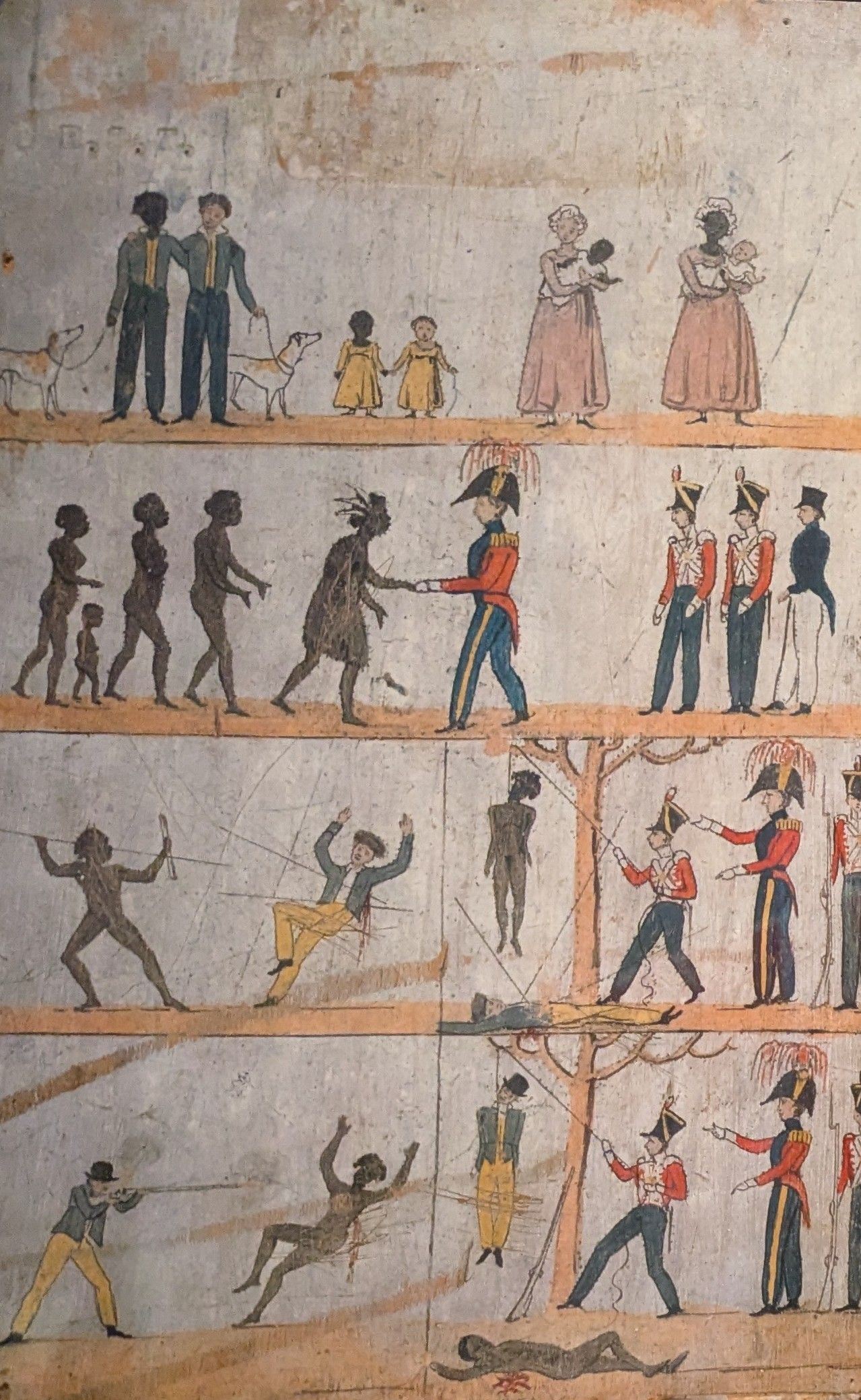
Proclamation Boards depicted equality under law, but the justice was one-sided. No white man was charged or hanged for crimes against the Aboriginal People.
A common thread in the history of Australia is the exclusion of non British and non European migrants. This was called the “White Australia Policy”. In the 19th century large numbers of migrants came from Asia, in particular China, to make their fortune in the gold rush. And they stayed and with their labor contributed to the transition from penal colonies to family settlements, neighborhoods and cities. But they were regularly subjected to racist attitudes and poor treatment, anti-foreigner riots were not uncommon. After WW2 there was Jewish migration and anti Semitic sentiment rose that Australia tried to counter with pamphlets. Not until the Vietnam war did Australia allow legal access to non-European migrants and refugees. In the 70s immigration began to focus on employability and personal attributes.
Two days at sea and we have returned to Melbourne. We don't take the train into the city; if there is a town within walking distance it is more interesting to us. As we walk out we see cars are commuting in the distance, flowing down the curve of a bridge. The sun flashes off their windshields, creating a river of light. I am startled by a movement to my left. But it is just a breeze lifting the ears of a plastic bag under a eucalyptus tree. Awareness is different after being at sea for several days. It feels like things are new, brighter, more intense. Trees are greener, the smell of flowers stronger, sounds of traffic louder and ambient movements more noticeable.
It is the weekend and families are out walking and biking. We find a trail next to the trolley line that bisects a large neighborhood.
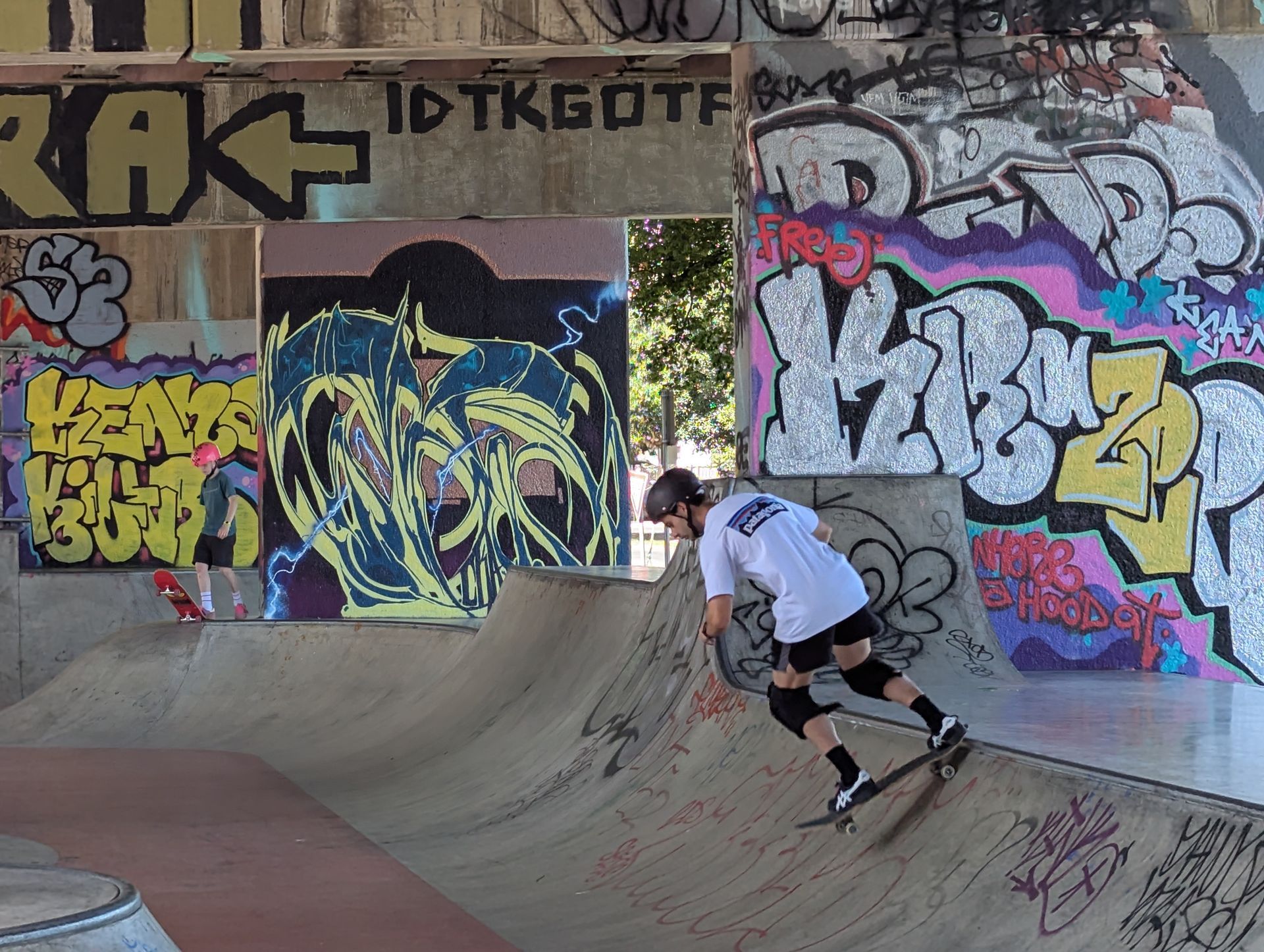
It proves to be an excellent walk with native trees and shrubs on both sides and occasional small parks. Jeff wants to find a hardware store. So I look up the nearest one to the port and find it's only a mile and a half away. He wants to buy an electric drill and some socket wrenches. We were not allowed to bring tools onboard and this is a constant source of frustration for Jeff because there are improvements he wants to make in our cabin. He recently got permission to bring tools aboard. We found the store and it is just like the large home improvement stores at home. Jeff finds everything he needs and we walk back to the ship. A day's adventure. Finding anything is a huge accomplishment. Every port is new and has to be researched. On another day we took the same trail into South Melbourne, a long walking mall of shops and restaurants. We found several thrift shops and were both able to increase our wardrobes.
Unfortunately, when we left Melbourne we encountered rough weather and the beginning of the fuel scarcity that has resulted from the war in Iran. Most of our trip around the Southern part of Australia will be compromised by avoiding two cyclones and searching for fuel. Several ports have already been cancelled. We spend extra days taking refuge from the cyclone at a port an hour from Adelaide by train. One day we braved the train ride and arrived in the big city.
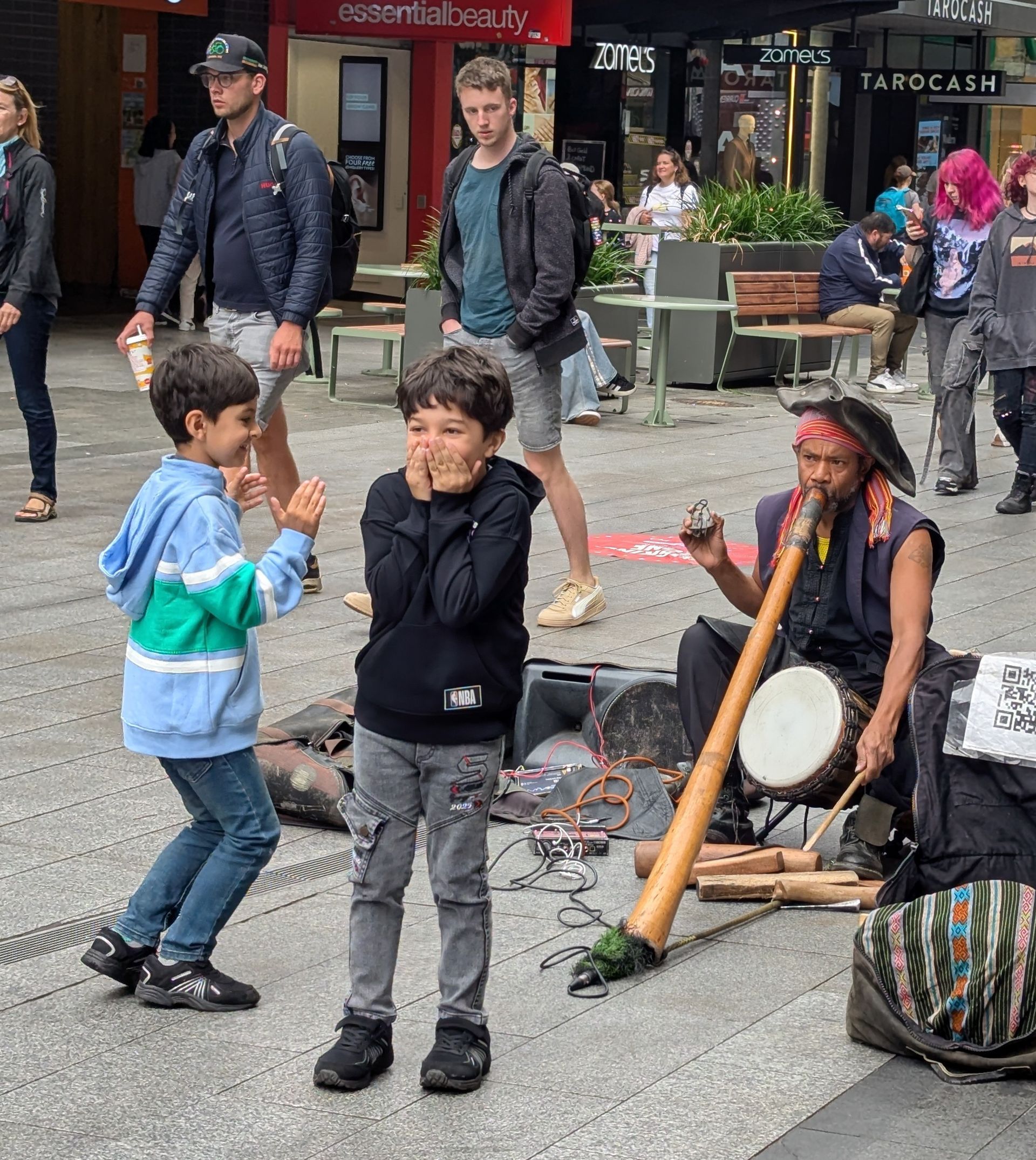
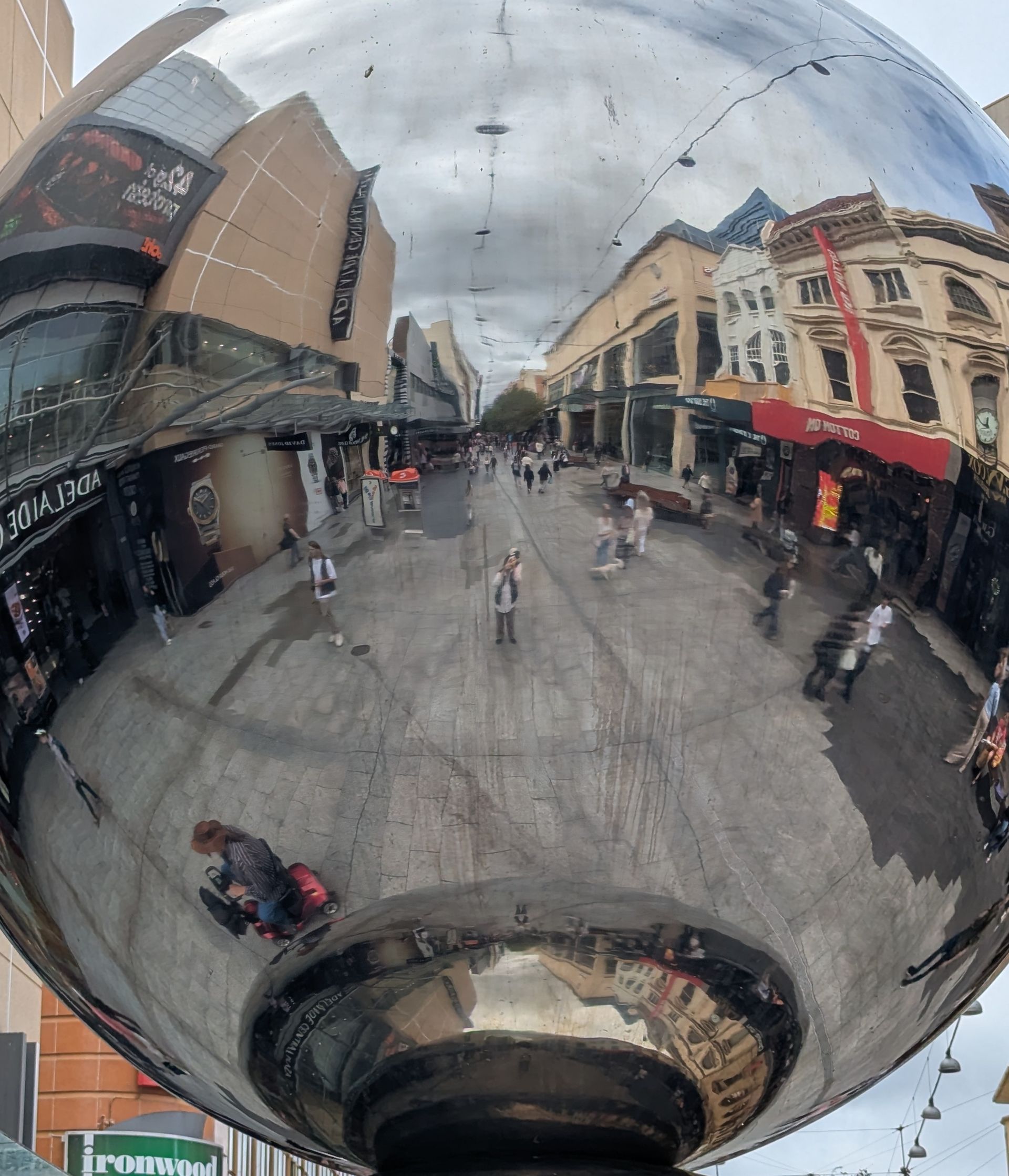
Lots of shops and restaurants, a walking mall, an art museum, a natural history museum, botanical gardens and a chocolate shop where a young woman was giving customers pieces of a huge chocolate Easter egg. It was very good chocolate. But on the way back on the train we both agreed that it was basically another large city like any others we have seen that got their start as British colonies and now operate under the International Economy. They have been homogenized.
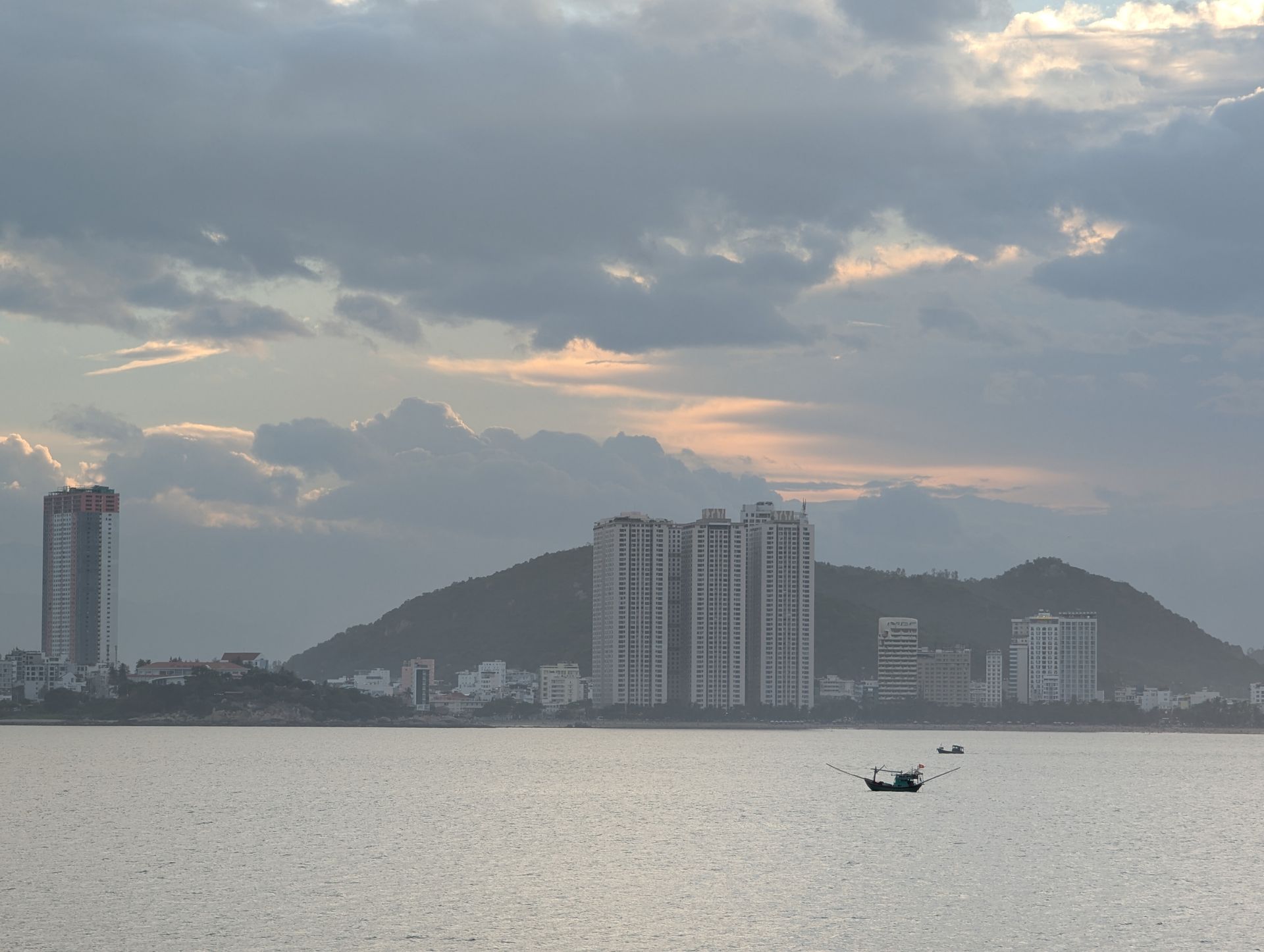
We leave port and hope to dodge another cyclone coming from the North. The Captain announced that he will hug the coastline. That will be the safest course. The city buildings are receding into the distance, grey stalagmites rising from the sea.