Can Capitalism evolve to include basic needs for all humanity?
June 8, 2026

In its present form, Capitalism cannot easily fix the ongoing problems of its own making. It has become an economic formula for much of World commerce. Its empowerment of the often unrestrained pursuit of profit, guided by the optional moral consciences of some individuals, businesses and nations has allowed for broad interpretation resulting in vast destructive behavior.


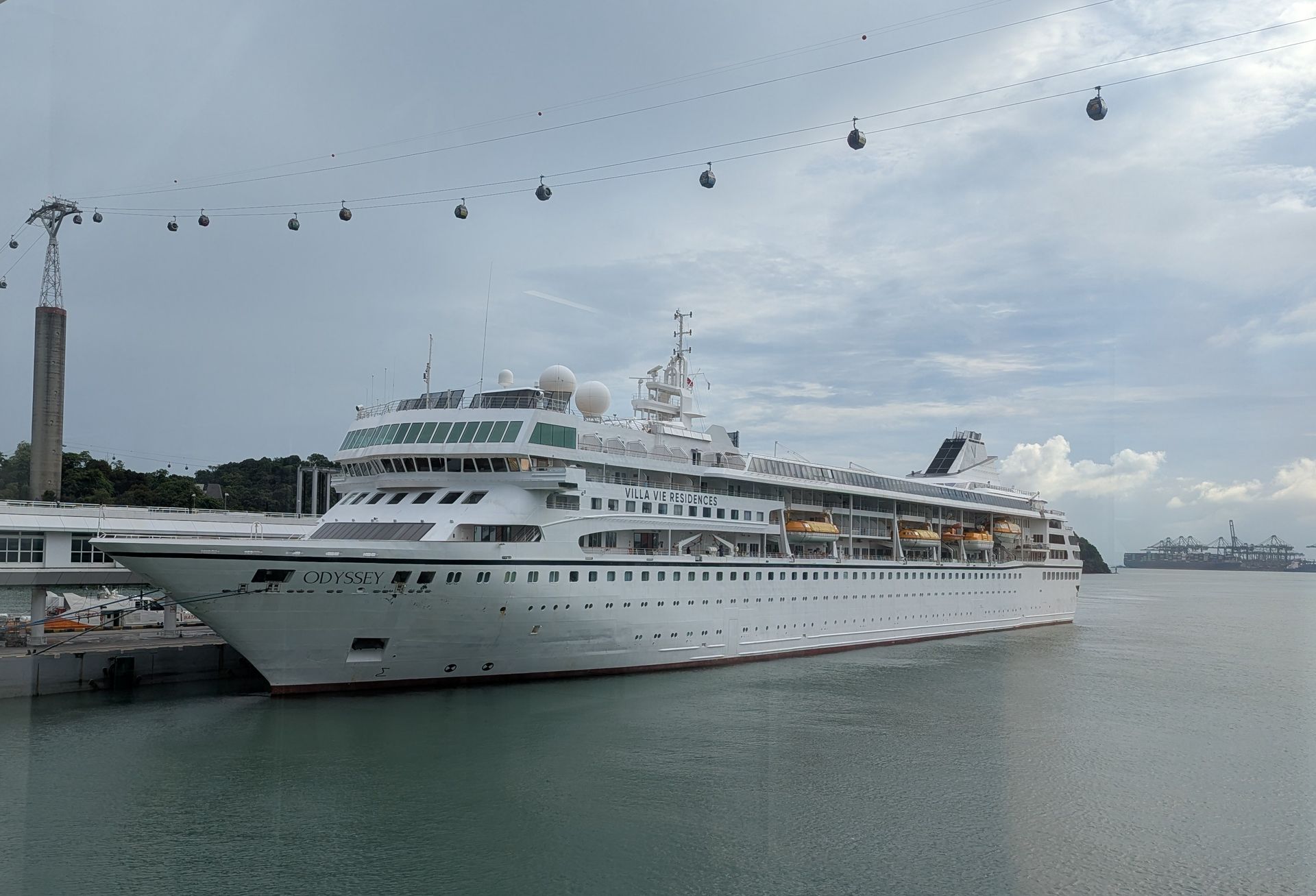
We have been able to personally visit about forty countries during more than a year of continuous travel. Our goal is to complete one circumnavigation within another two years. This trip has developed into a unique opportunity to research World economies. Which was our hope at the onset. We are now in Southeast Asia and it is possible to make a few observations.


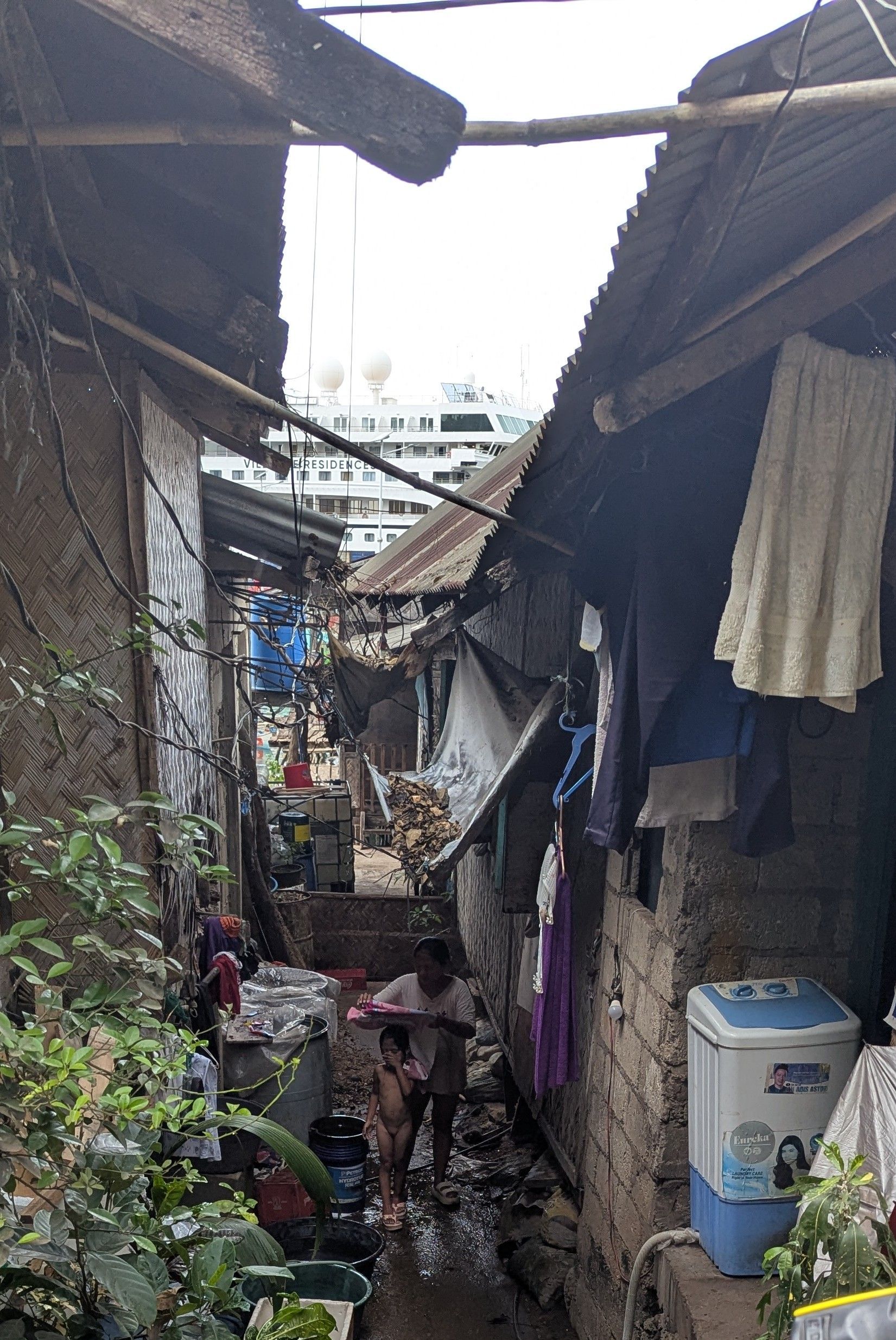
 The opening of ‘free markets’ with Capitalism worldwide has become a modern form of Colonialism. Countries that are thriving go into developing nations with the huge advantage of currency value and technological superiority. They essentially locate in each country resources that can be monetized and profit made, hire employees for less than they can in their home countries, then take the majority of the profit out of the host country. This dramatically changes the existing natural balance in most of these developing countries and thrusts them into the financially unbalanced world of free market capitalism for which they are not prepared and have no immunity. Where we have traveled so far, many developing countries are turned into tourist attractions and the young people are mostly encouraged to aspire to ‘hospitality’ work, keeping their expectations low. The following is a short summary of how Capitalism has evolved in recent history.


 People have benefited for many hundreds of years from the innovation and competition inherent in the practice of Capitalism. But now the symptoms of its flaws are obvious and too damaging to ignore. When Capitalism fails from its own weaknesses it can, in its final form, become fascism; dictatorial power, militarism, an autocracy that crushes opposition. It makes a few people very rich and creates a dictator to protect their wealth and influence resulting in an ultra nationalist state. When a country is completely invested in Capitalism, like the US, it must constantly monitor its military and financial power in the World. 


 Looking back; the US petro dollar was established during the 1973 energy crisis by Nixon/Kissinger, in order to keep the US dollar strong next to other currencies. Controlling the high value of a nation's currency is essential for Capitalism to thrive and it was clear that oil was the blood of World economies. Arab oil traded for dollars in exchange for US military protection was the deal with the Saudi government. Because oil energy is a major labor saving device and creates exponential productivity and wealth, trading dollars for oil made the US Dollar the “preferred currency” and kept its value high. In 2024 the agreement with Saudi Arabia expired because the US could no longer protect Arab nations militarily. Also the rise of renewable energies challenged oil supremacy.


One of Capitalism’s characteristics is to concentrate wealth in the hands of a few and encourage profit making over stabilization of a good quality of life for the rest of humanity. Over emphasis on profit making has suppressed education, healthcare and general dignified survival wherever it dominates. Wealth is not a barometer of intelligence or happiness. It is an advantage in Capitalist societies that opens opportunities in education and business. All it takes is a few powerful people to keep Capitalism going, apparently the richest 10% of the World population.     


That Capitalism has lasted so long is in part a testimony to its ability to keep adapting and improving on its least attractive strengths: control over the means of production, control over the value of currencies, amorality, exploitation, and a powerful military.


Capitalism is presently a pervasive economic belief system and acts as a powerful temptation and World influence. Its social impact is on par with Communism, Democracy, Religiosity, Socialism, Liberalism, Conservativism, etc. This has again been made clear by the present oil/food crisis, created by the US/Israel attack on Iran that resulted in Iran closing the Strait of Hormuz. (Was this war a move on the part of the US to control oil and keep the USD strong?) This situation may already be worse than the energy crisis in the 70’s that created the US petro dollar. The World population is larger and more interconnected economically than ever before, making this oil shock even more damaging than the one in the 70’s. 


Oil is a valuable fair trade commodity. Its locations and price are controlled by a handful of companies and nations. (A common characteristic of Capitalism.) This essential energy source is centralized and vulnerable. The World economic system is in shock and being held hostage to the flow and price of oil. But this time there is a competitor for preferred currency, China's Yuan.

 Humans have become, over approximately 500 years, adapted to Capitalism. It feels inevitable, no matter what it destroys. It has captured the popular imagination like a religion. But unlike religions it encourages people to cast aside concerns of morality and the fate of humanity. Its symptoms and failures are explained away as the evils inherent in humanity or individual failures. But religions have shown they can evolve. Economics can evolve also.


Like the worm of Protestantism that entered the apple of Catholicism, maybe there is a pest that can invade the Capitalist feeding frenzy. This pest could be in the form of a Parallel Currency, that would create, in time, a hybrid World economy dedicated to the dignified survival of all humanity. Any nation or state could introduce a Parallel Currency to be used next to existing currency. A currency printed to provide a base for humanity; the essential needs of life; food, shelter, education and healthcare. Not freedom, not security, but what comes before humanity can have either of these things, survival. Life long access to food, shelter, healthcare and education. 


There is enough. Basic needs are the least expensive and most abundant things a nation can provide its citizens. The Parallel Currency is a way to pay for it. A few countries are already trying to do this with their tax structures and laws, but a Parallel Currency would do it without taxation or inflation. With a stroke of a pen it can be initiated. It is a separate currency that can only be used for basic needs; their creation and distribution and is destroyed when it reaches a bank so it won't create inflation. It also will not inhibit the positive capabilities of existing currencies. They will function normally. The Parallel Currency would be a closed loop created for dignified human survival. A form of this is already used by the major developed nations to supply and sustain their large militaries. You are provided food, shelter, education and healthcare as long as you are employed by the military. China has built, in its isolation, a successful hybrid of Capitalism and Socialism controlled by its Communist government. In approximately 40 years they have brought their massive population out of poverty and become one of the most technologically advanced nations on the planet.


Freedom of speech, freedom of religion are not enough. A government by the people, for the people, must also guarantee freedom from starvation, homelessness, and freedom from ignorance and curable illness. All things for which we have, as a human species, developed remedies. This is the overarching injustice of Capitalism. That these remedies exist and have been largely made possible by Capitalism but are not shared with all humanity. 


People have evolved beyond the war response to disagreements, but governments have not. By eliminating the tensions created by economic inequality with a Parallel Currency dedicated to providing survival needs Worldwide it is possible to see a new way. It is our responsibility to help economics and governments evolve with us. 


Susan Caumont

Renew the Earth, renewthe-earth.org 

June 8, 2026
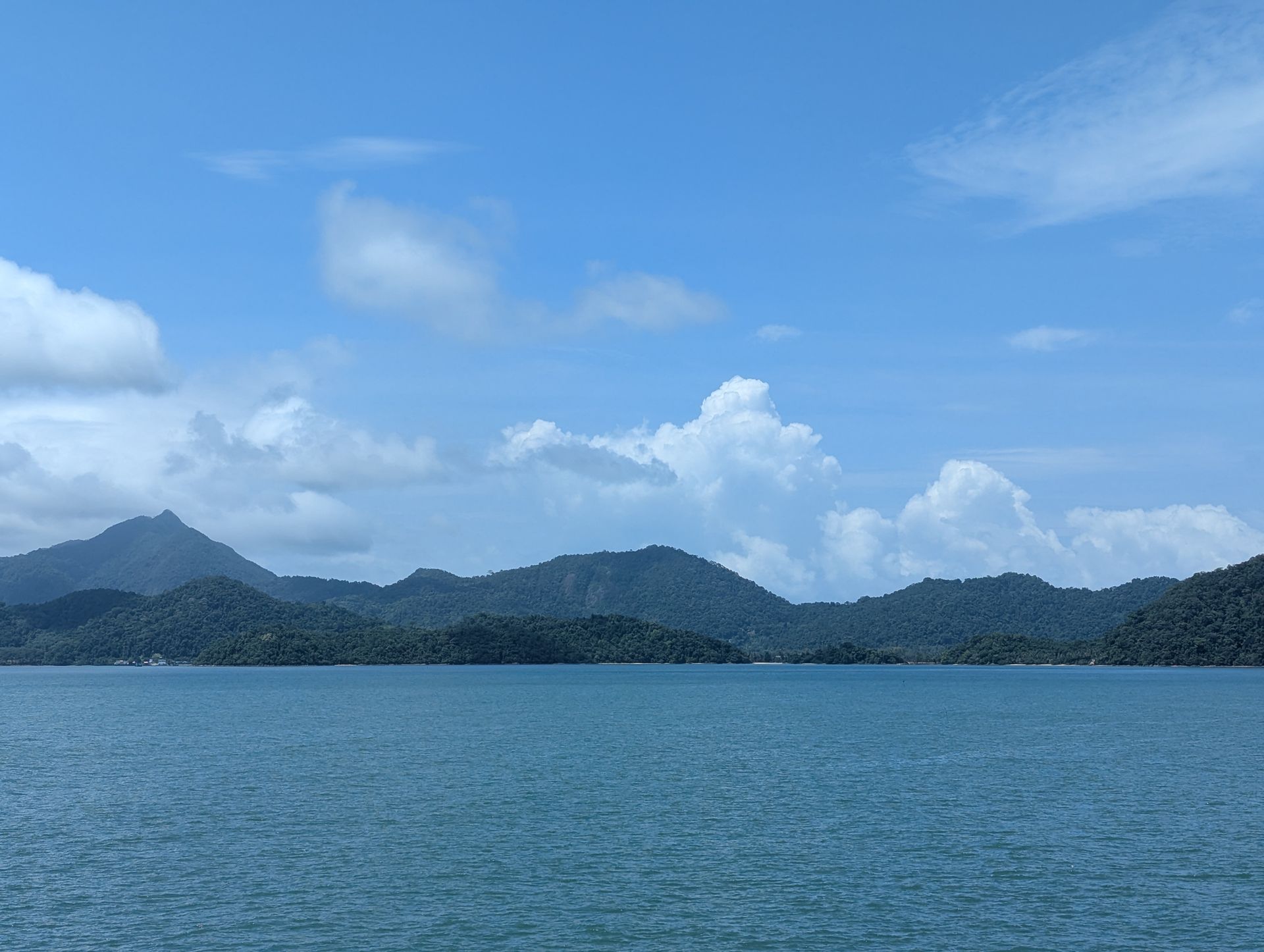
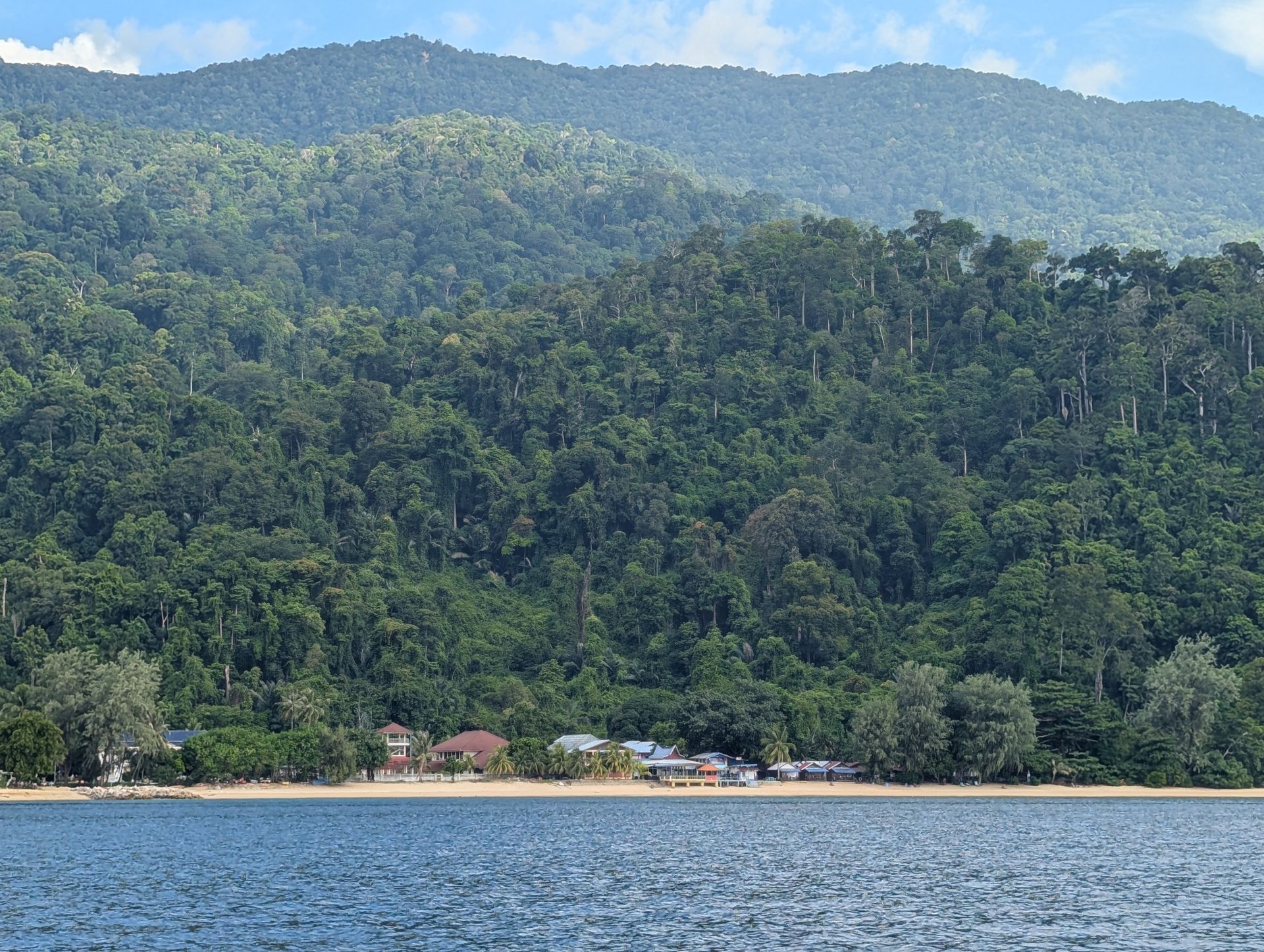
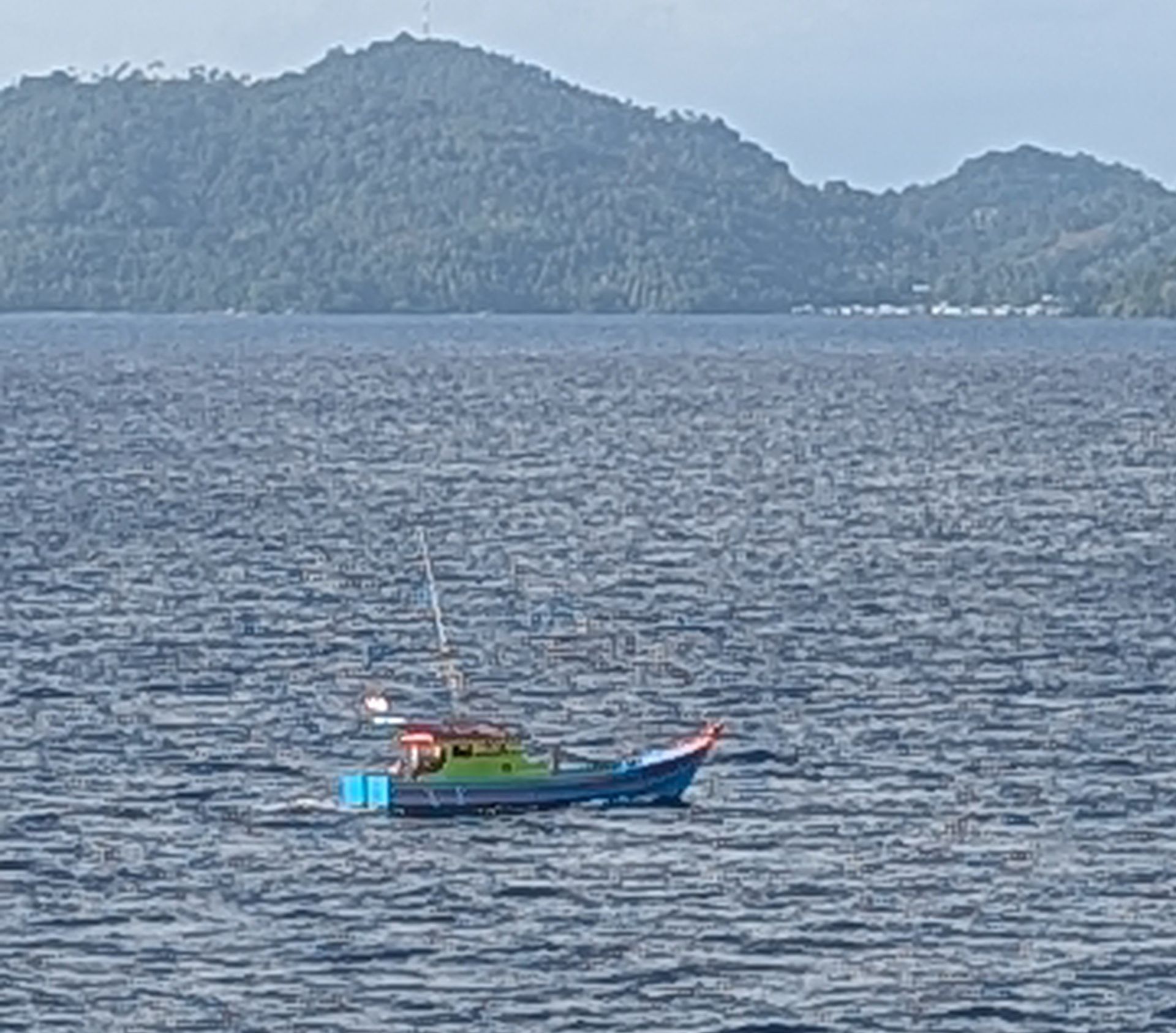
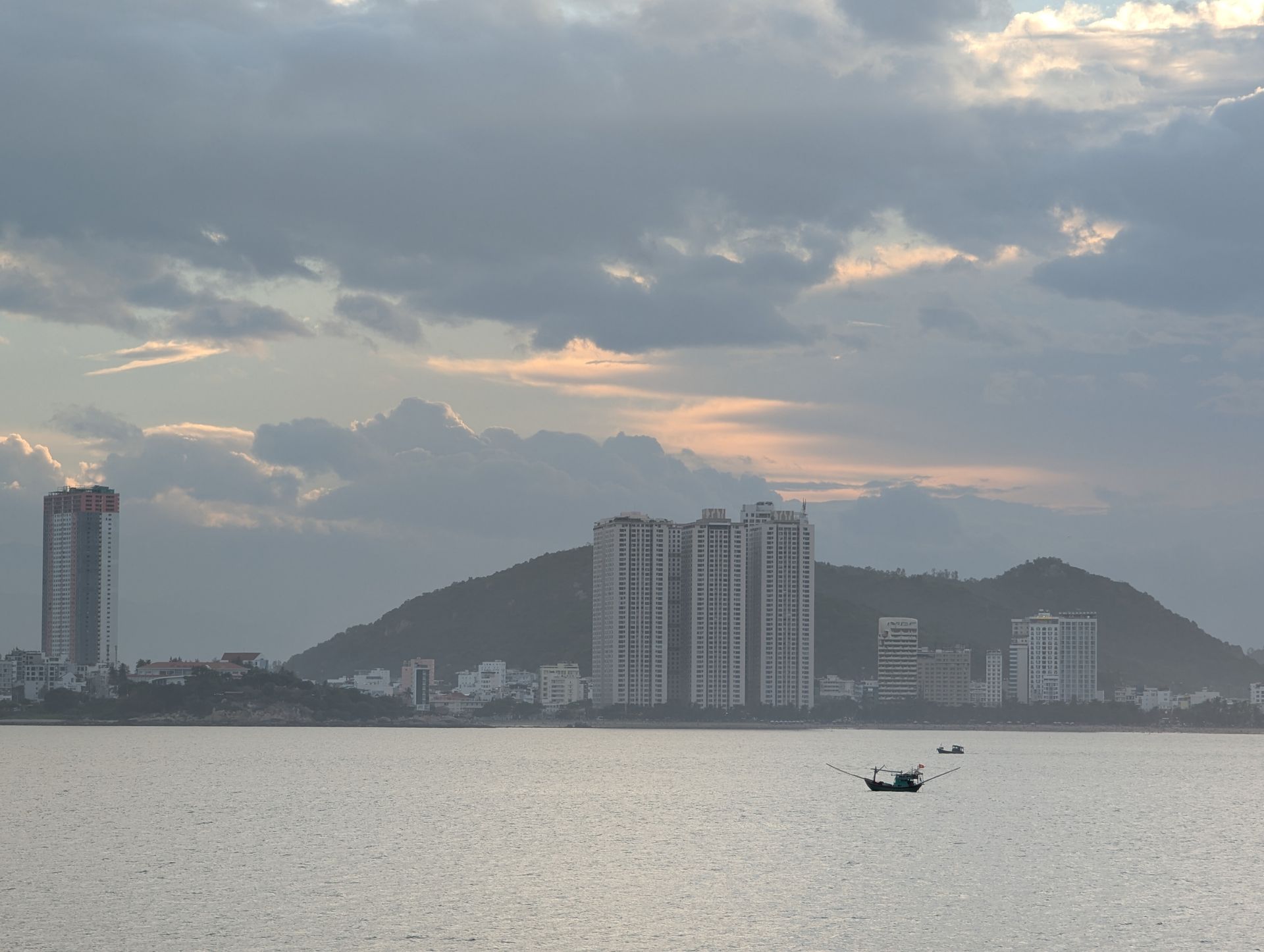
The approach to Coron, Philippines. Mountains all around, some narrow cream colored strips of beach. Single person open boats drift here and there, some are paddled. The larger colorful outrigger boats glide by like water spiders, leaving no wake. Clouds have bunched and swelled above the land taking up a lot of the sky blue sky. This is the rainy season. Our ship is drifting slowly. We are not expected at port for a while. The opening of the harbor is in sight and a green entrance marker is visible.
May 18, 2026
They have only recently become independent; 2002. The struggle and tragedy of this objective still vibrates in the air and has left scars. Poverty, deteriorating roads and sidewalks, buildings and ambitions. In the intense heat of the day, most shops can't afford to have or to turn on air-conditioning. A large tree shaded park where an unchained warrior statue shouts to the sky, is heavily used by all ages.
May 8, 2026
Our arrival on the island of Waingapo is welcomed with a red carpet. The carpet leads expectantly to where several men wait, holding 11” by 14” laminated photo narratives of tours they can take you on and tell you about with three word comments in English. Past them chairs, also covered in red, have been set up under an awning for our “dignitaries.” Beside these are a few tables with souvenirs. Several young boys wait on either side of the red carpet to perform for the passengers as they disembark. Many local people are also waiting in the growing heat for the Exodus of the passengers. Ours may be the first cruise ship that has stopped at their island. One passenger finally emerges and avoids the carpet and the boys. They are shocked. Eventually a group does come out together and allow themselves to be greeted and entertained. They have selfies taken with the boys. Then return to walking and looking into the screens of their phones, bowed over them like they are praying After exiting the port area there is a long walk through parked cars, trucks and taxi drivers out to the crumbling asphalt of the main road. It is lined with vendors, a gauntlet of drinks and snacks. A ferry is unloading, people and motorcycles are streaming out. These are the customers the vendors are waiting for. A large number of motorcycles are parked on either side of the road waiting for their owners. We make our way between the crowds of people and vehicles to the hot uphill slope of the road that goes somewhere, which is hidden from sight by bunches of dark green trees. Shortly we are defeated by the heat and start back. Access to other parts of the island that are considered appropriate for tourists require a taxi, negotiations for price and where it will go. Generally we try to avoid this and are most interested in what we can observe and who we can meet by walking. We talk to a motorcyclist on our way back who says he has access to local Royalty. Jeff describes the Parallel Currency concept to him and gives him our website card. I am also able to pick up some interesting scraps of paper from the garbage that lines the road. I use their patterns and color to create abstract images on postcards I make to send to friends and family. In the end this has turned out to be a very satisfactory walk. There are very few palm trees here, which is remarkable. A different ecosystem than Bali. The mountains are low, flat topped and shelved. They define the spine of the island. Bunches of dark green trees patchwork the slopes getting denser as they approach the water. The water is blue/green and clear, fishing boats are high prowed and the smaller boats have outriggers made of bent PVC tubing. It is now early evening and the sun is low. I am walking around the outside deck of our ship taking in the 360 degree view and the sounds. On the starboard side a band is playing on shore and a singer starts up a contemporary tune. As I round the bow a chant drifts through the dusk, the Muslim evening prayer. This dominates the port side then at the stern blends with the music on shore, which dominates on the starboard side. Round and round as I walk they alternately blend and retreat, blend and retreat. I notice as I look out over the port side that the tide has gone out and long flats of seaweed, rocks and soil are exposed. People have walked out onto these surfaces to harvest edible sea life, gathering them into plastic buckets and bags. I feel like I am watching history.
May 4, 2026
We dock at the port of Bali. It is too hot and far to walk anywhere, so we hired a taxi driver for the day and invited our friend Wido to come with us. He is Indonesian, his home is in Jakarta and this is his first visit to Bali. Indonesia is a country of 17,508 islands. There is a governor on each one who communicates with the central government. Few Indonesians have visited every island. What strikes me immediately as our driver, Budi, finds his way through the dense traffic, is the careful weeding of the center island between opposing lanes. This is exceptional because of the extreme heat. No one could be doing this during the day. People must come out at night, when it is cooler, and meticulously pull the weeds. It becomes clear as the day passes and more and more of Bali is revealed, that attention to detail and extreme patience is a characteristic of the Balinese. The traffic is a dense mix of motorcycles, cars and trucks.
April 28, 2026
Like an exotic jewel set in the archipelago of Indonesia, Bali glitters and enchants. The Balinese have retained their unique community through intense social/religious bonds, hard work, exceptional talent and great sacrifice through the centuries to become a beautiful, gentle and inspirational community. Now, because of these unique qualities and accomplishments, finally and fatally they have become a primary tourist attraction that presently dominates 80% of their economy. The irony is that this may be the thing that destroys an incredible place and its people that hundreds of years of oppression and wars did not. If they don't soon diversify and return to the trusted systems that meant survival for their society over more than a thousand years Bali will no longer be a wonder of the World. Their unique form of Hinduism understood the root of survival when their irrigation system, subak, was first built. It was defined as a religious object to be venerated and protected with prayer, with temples and maintained by priests. Rooted in the Balinese philosophy, Tri Hita Karana, the principle of achieving harmony between humans, nature and the divine. It was the source of the staple food, rice. Water came from lake Batur, in the crater of the extinct volcano Kintamani, irrigated the hand cleared and formed terraces of rice paddies that descend in beauty and function to the sea. Seedlings hand planted by the women, sheaves of rice attached to the ends of poles carried across the shoulders of the men to the storage huts simple activities, carried out over more than one thousand years, that meant survival for a society. And the ancient kings of Bali also came together to sanction the subak. Agreement between religion and state. A rare thing in history and in the present. So what is happening now? How is tourism threatening the survival of the Bali we have come to know and admire? Aren't people coming to praise and enjoy? Isn't that a good thing? It is not the intentions of the visitors, it is the structures built around tourism that make tourism possible, they have become destructive. Why are they destructive? The answer is water. Because of the demands of hotels and resorts for fresh water, the water table has dropped by around 60%. Into the void presses the salt water of the sea. Not only is the amount of fresh water that feeds the subak compromised it is threatened by salination and made unusable for rice growing. This situation is sometimes referred to as being caught between a rock and a hard place. The government needs to step in and limit or freeze new construction of resorts till a sustainable balance is found. Also, water use needs to be prioritized and rationed for essential use, the subak system as a primary user. Finally, the income from tourism must be distributed back to the Balinese people for their dignified survival and flourishing. The dependency on tourism has created an imbalance. Men can be seen sleeping rough in the parks. There is desperation in the eyes of the women who sell clothing and souvenirs in the outside stalls. The main profession encouraged for children is hospitality work. The majority of profit from tourism needs to be returned to the people. They have earned it, they have built what we admire, they have carried in their hands and hearts the unique social compromise that has survived to this day against impossible odds and now it is being challenged by economic forces, more subtle but no less aggressive and destructive than war. Susan Caumont
April 17, 2026
Sea days pass differently than land days. At sea the ocean and the ship's passengers are the changing features. Land life has extra distractions, vehicles, shops, museums, temples, churches, gardens, bird song, dogs barking, taxi drivers, venders, airplanes, the full extent of human activity. During sea days I prefer to observe the ocean. I am aware of the passengers; like being part of an extended family or small village where you know most of the people a little and a few well. But the opportunity to be on the water for long periods is special. Sometimes, when the ocean is calm, a criss-crossing pattern may be seen on the surface, a delicate weave of vibration. I wonder if marine life is creating it, communicating. Other times the water heaves and agitates like an angry crowd is running here and there under a silk sheet. We sail six days from Adelaide to Fremantle, for the most part we encounter easy swells on this trip. The ocean lets us pass with tranquil, breathing heaves up and down. When we arrive there is an art festival in progress downtown. Crowds of people have traveled by train from the suburbs. We walk in. Some streets are blocked, making way for displays of crafts, performers, food venders and pedestrians. People are all around, eating, talking, buying stuff and watching the performers. Clowns, singers and acrobats compete for attention and overhead huge soap bubbles float, generated by the children nearby. It is a perfect day and everyone is out to have a good time.
April 7, 2026
Our stop in Melbourne was only for a day. There are plans to return after we visit Tasmania, which is just south of Melbourne. When you look at a map you can see where the island broke from Australia, a ragged triangle torn from the continent. England brought their convicts here to establish a penal colony in 1803, (convict transport ended in 1851, 50 years later) the colony eventually became Hobart, the capital city. Convicts were brought by sail. All the way from England around the southernmost tip of Africa, Cape Agulhas. A cape historically known to clipper ship sailors as a significant hazard, notorious for mammoth rogue waves of up to 30 meters (100 feet). What could these unlucky people have done to be banished on such a dangerous trip and so far away to an “uncivilized” island? Turns out prostitution and unwed pregnancy was enough to get sent there if you were a woman. And being an orphan, if you were a child.
March 25, 2026
The yellow pilot boat is approaching. A pilot will be brought onboard to guide our ship through the harbor. As we progress, a stretch of islands pass us on the left then, the coastline, on both sides. Sailboats, white triangles against the dark blue water, shine in the distance. Cliffs drop sheer from the pastureland to the tan beaches. Dark green groves fill the crevasses. We cruise along under the dome of the sky. Soon we will be docked at Port Melbourne, Hobson's Bay, Australia. Living life onboard, traveling around the world, I feel like a spirit watching the living as they go about their activities. I am a temporary exhalation, undetected then gone. But their doings remain in my mind. Humans are so very busy, especially the young adults. It takes significant aging to bring on stillness and reflection. My obscurity can make me sentimental. I feel a general affection for anyone who passes. I saw a baby watching sea gulls eat the French fries that someone had tossed to them. I imagined her forming her own impressions of everything around and not yet named. I wished her well and hoped that the war would end soon.
March 12, 2026
The most important thing we have to do, now that we have re boarded our ship in downtown Sydney, is to increase the number of pages in our passports. Most countries will stamp a whole page and sometimes two. Our passports, though new, only had twenty eight pages. This will not be enough to get us around the world! So we made an appointment with the US Embassy, along with 50 other passengers, to address this issue by purchasing larger passport books which have 52 pages. The Embassy was new and modern, the employees good natured and efficient, considering that we descended on them all at once. We conducted our business in an orderly manner under the watchful eyes of the US President, Vice President and Secretary of State, whose framed photographs dominated the far wall.
February 23, 2026
After all our planning for Jeff's next operation and waiting out the days till we arrived in Cairns, Australia, we finally flew to the Sydney airport. It was evening when we got there and both of us were exhausted. We both thought why call an Uber, there are a bunch of taxis hanging around, just take one of them to the motel. That was a mistake. We ended up paying $100 for a 20 minute trip in no traffic. Uber would have been half, I found out later. Since then we have taken several Uber rides in electric cars. And they have been excellent experiences. Australia has been importing Chinese made electric cars. We got to ride in a BYD and Uber drivers like to talk. We conversed with a Japanese driver and an Indian driver, both men. Both had been in Australia about 15 years. They seemed to like being in the big city. Both agreed it is generally too expensive. The driver from Japan, his wife works in the hospital and they have children, he likes the flexibility of the job so he can be involved with school and activities. The Indian driver has a son and would like to return to India so his son can experience his homeland. We are resting at our motel and I am outside watching the wild cockatiels.
More Posts