Money Magic
Religion got involved with money at the very beginning of recorded time. Before recorded time there were concepts of symbolic value exchange, Yap stone money for example. (This subject I addressed in a previous log about Yap) This log will address recorded time.
Some of the language of banking still retains religious expressions like, “redeeming an asset, stewardship, usury, tithings, offerings.” An example of present day tithing would be, “carbon offsets”. You can give money to feel you are contributing to cleaning up the environment. Similar to people giving money to churches to save their souls and enter heaven. This leaves an intermediate representative,
in the case of the present environmental crisis, or the Church to figure out how to manage the offering.
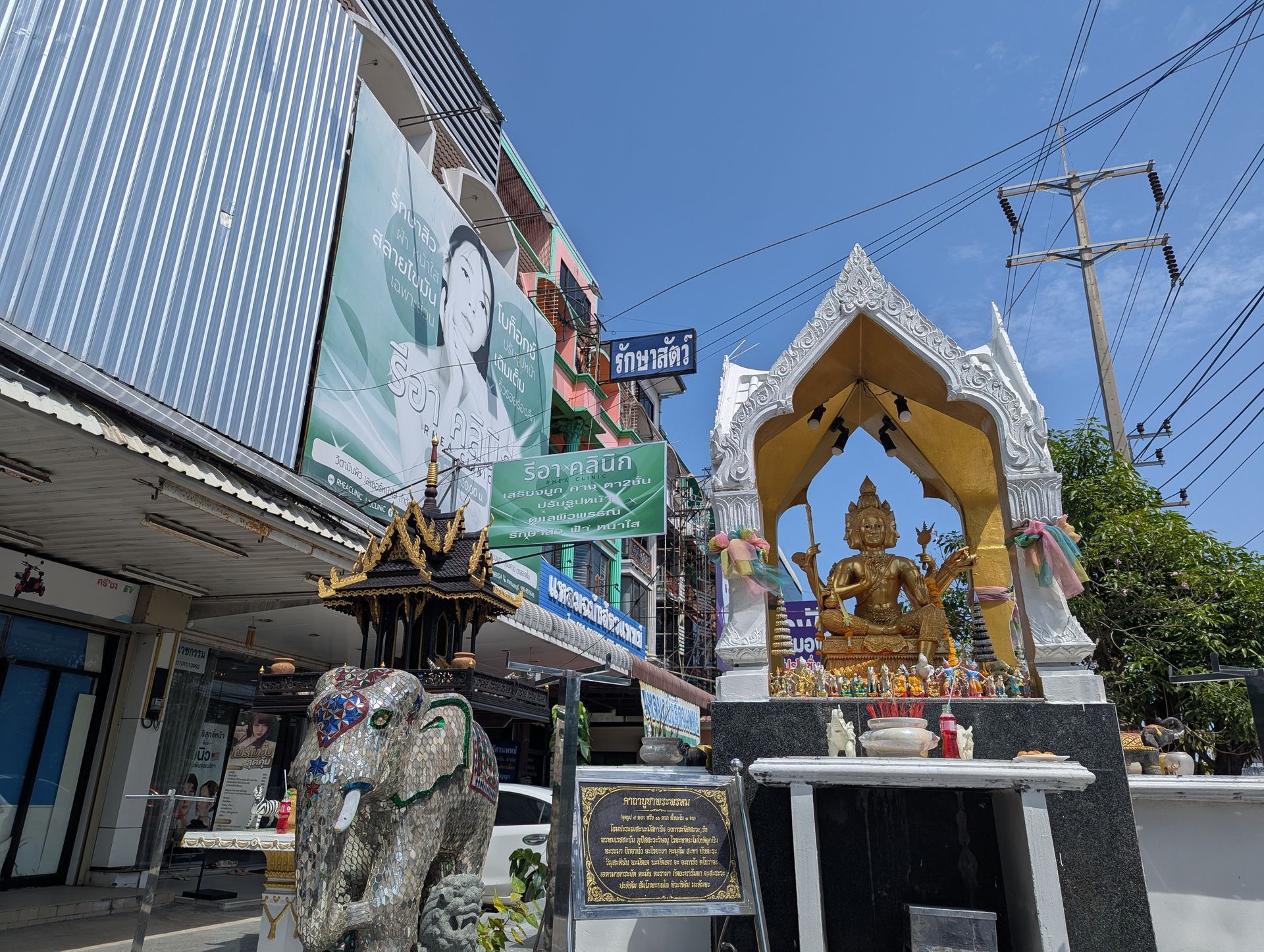
Historically, Temples were considered the safest place to store survival essentials and valuables like grain and silver. Priests managed the temple storehouses. They were considered the most trusted members of society because they were backed by the Gods, who were seen as the owners of all the land. This was the consensus in Mesopotamia, Egypt and India. The temple employees stored and protected the wealth, lent resources to local farmers and traders and ultimately funded exploration ( the expansion of markets through colonialism.) When standardized coinage was invented around the 7th century BC in the Ancient Mediterranean, temples played a significant part in its circulation.
All the major religions, Judaism, Christianity and Islam created rules about how money could be used. They all banned usury; charging interest on a loan. This was considered taking advantage of someone's hardship. Examples of this in the present are deliberate functions of the Internet that take advantage of the youth and inexperience of children and addict them to commercial promotions and products that make profit for the owners of those systems. The mechanisms of stock trading have become another form of usury. Leaving behind the initial intent of supporting a business that needs investment to develop and becoming primarily a way to make money for the stockholders at the expense of the employees, the environment and humanity.
“Justice over Wealth” was the original intent imagined by religions for the use of money. It was linked to accepted ideals of morality as written in all the major religious texts. “Money was originally a sacred device created by religious authority to facilitate the exchange of necessities. It was intended to be a means of recognizing individual property rights and at the same time that no human or family is self sufficient… it is no longer a reminder of higher values, money has become such a social convenience that it is even a social necessity.” John Pentland, ‘Religion and Money’. Eventually governments got involved with money and worked with temples to shape policy, collect fees, mint coins, pay for entertainments and armies.
From its original moral religious vision, “It (money) was a kind of primitive socialism that has come to represent an individual's ability to survive.” William Schweiker. Codified as Christian Church law in 1179, stating “making money on money is against the idea of justice.” Today this is almost forgotten. Our present view of money, as a profit making mechanism, was not the original idea. Originally religion viewed everything, including money, in relation to universal laws of compassion and morality. This is written in all major religions texts. To show us our dependence on each other and remind us of these laws.
Unfortunately, for the development of our present relationship with money, bans on usury “never really worked out in practice. There were always people who found their way around the usury prohibitions,” Norman Golb. Trade began to grow beyond transactions between individual villagers and the restriction of usury began to relax. Personal relationships seemed to have kept people more honest and compassionate. But if the trade was with a stranger or someone you would never see again or never meet, that was a different story. “As trade starts to happen between cities and states Christians and Jews started seeing the need for more complex attitudes towards lending.” They saw the opportunity and benefits to themselves to make money, on money. By becoming money value controllers and lenders they were able to create banks and then have control of the wealth and power banks made possible. They could wield significant influence on the Church and State from their perches. Eventually governments intervened again and got control of the banks.
Very little is discussed about the origins of money and original religious attitudes towards it. But it seems that from what is written in the religious books of all major religions their attitudes were originally much more compassionate and intelligent about how humanity should use money, than is common today.
The crisis that the closure of the Strait of Hormuz has created is making clear how we are all interconnected through the flow of goods and money. And no person or country is left unaffected. We are being shown that no one person or family can survive alone.
So how do we go forward at this time with all its complexity and population? Can we return money to its original role of cooperation and survival? Maybe not completely. But fortunately tools are being developed for world populations to recognize humanity in the stranger. A very important development. I am referring to the Internet and the worldwide access made possible by cell phones and streaming of video. We are being made capable of communication and empathy at great distances. We are even capable of imagining the possibility of human feelings in machines (robots). As this connectivity increases through commercial markets and virtual human interactions are we approaching more universal understanding? Can we return to using money as a tool that increases the ‘greater good’ and not a ‘soft’ weapon that can enslave and distort the humanity within us?
Maybe the Parallel Currency, by showing the importance of providing basic needs Worldwide, those essentials for survival that the priests so carefully protected in their temples, can be part of returning money to its original moral/religious understanding of money and being human.