Yap Stone Money, CH 15
The value of condensed human meaning. Rai Stones.
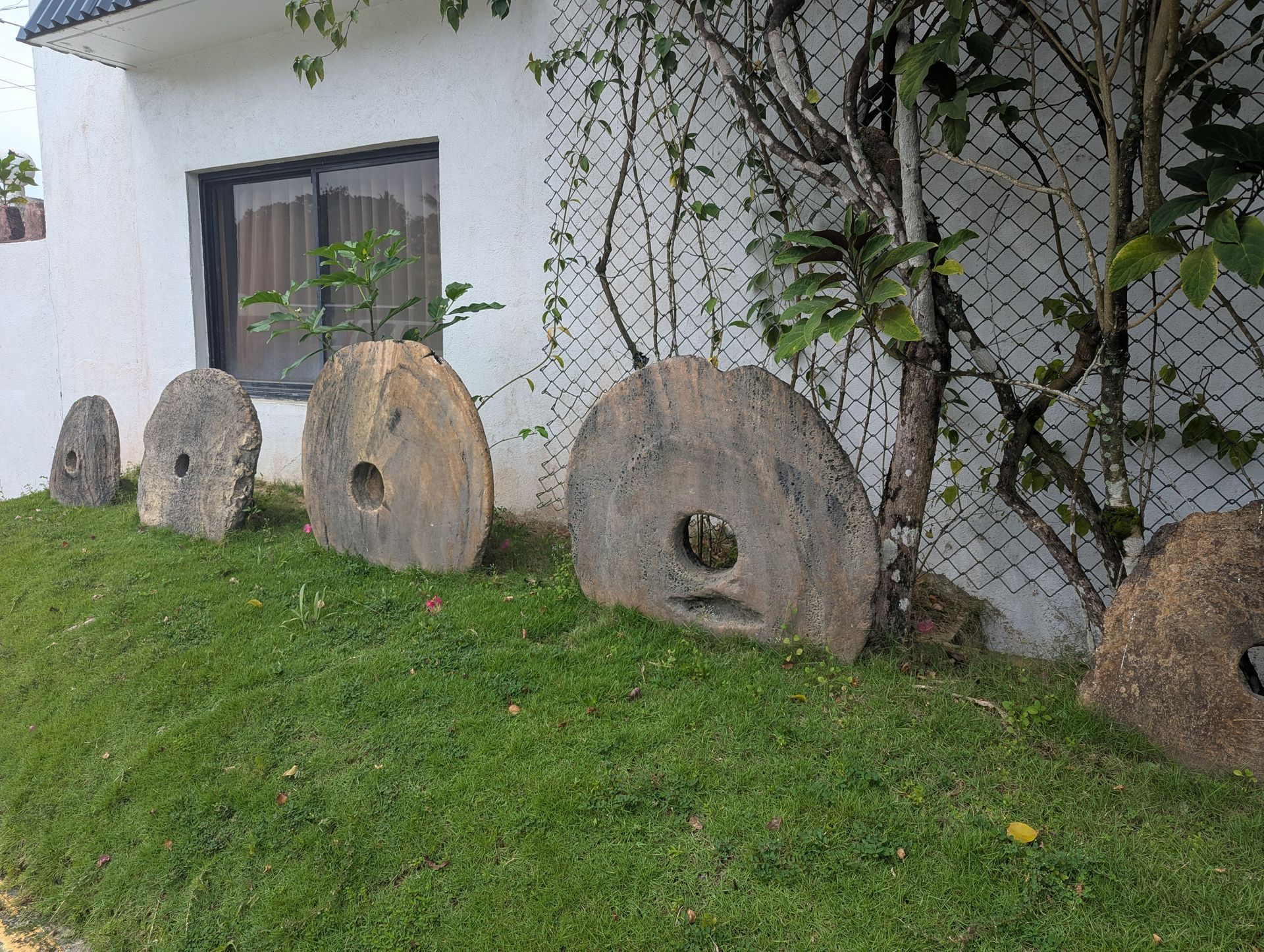
Rai (raay) Stones are the stone money manufactured and treasured by the native inhabitants of the Yap islands, Micronesia. Most of the limestone for the money was quarried on the islands of Palau. Yap has no limestone. This practice lasted for about 2,000 years and stopped in 1931. About 6,000 Rai stones stand on the islands.
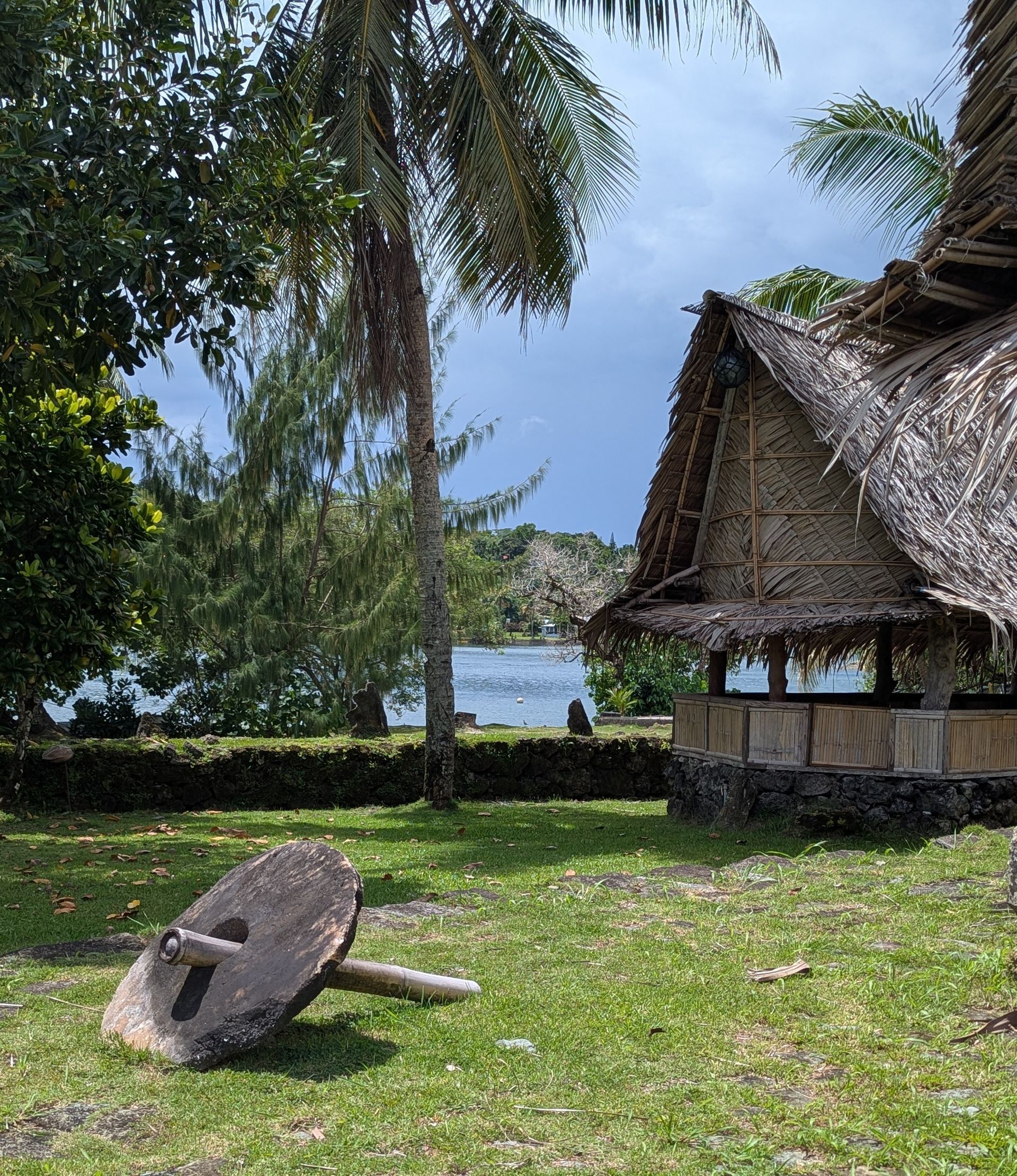
Initially, when the limestone was found by Yap fishermen, as the story goes, they were struck by its beauty; it can contain attractive crystals of calcium carbonate and fossils. They found it easy to carve, and brought back their hand carved forms of fish and turtles to the chiefs. The story also suggests that the carvings were given to the chief as an apology because they had not caught enough fish on their trip. Eventually, as the stone objects were more and more admired, the carving was refined and simplified to the shape of the full moon. These stone objects could reach three feet in diameter and were about a half foot thick. The hole in the middle was for easier transportation.
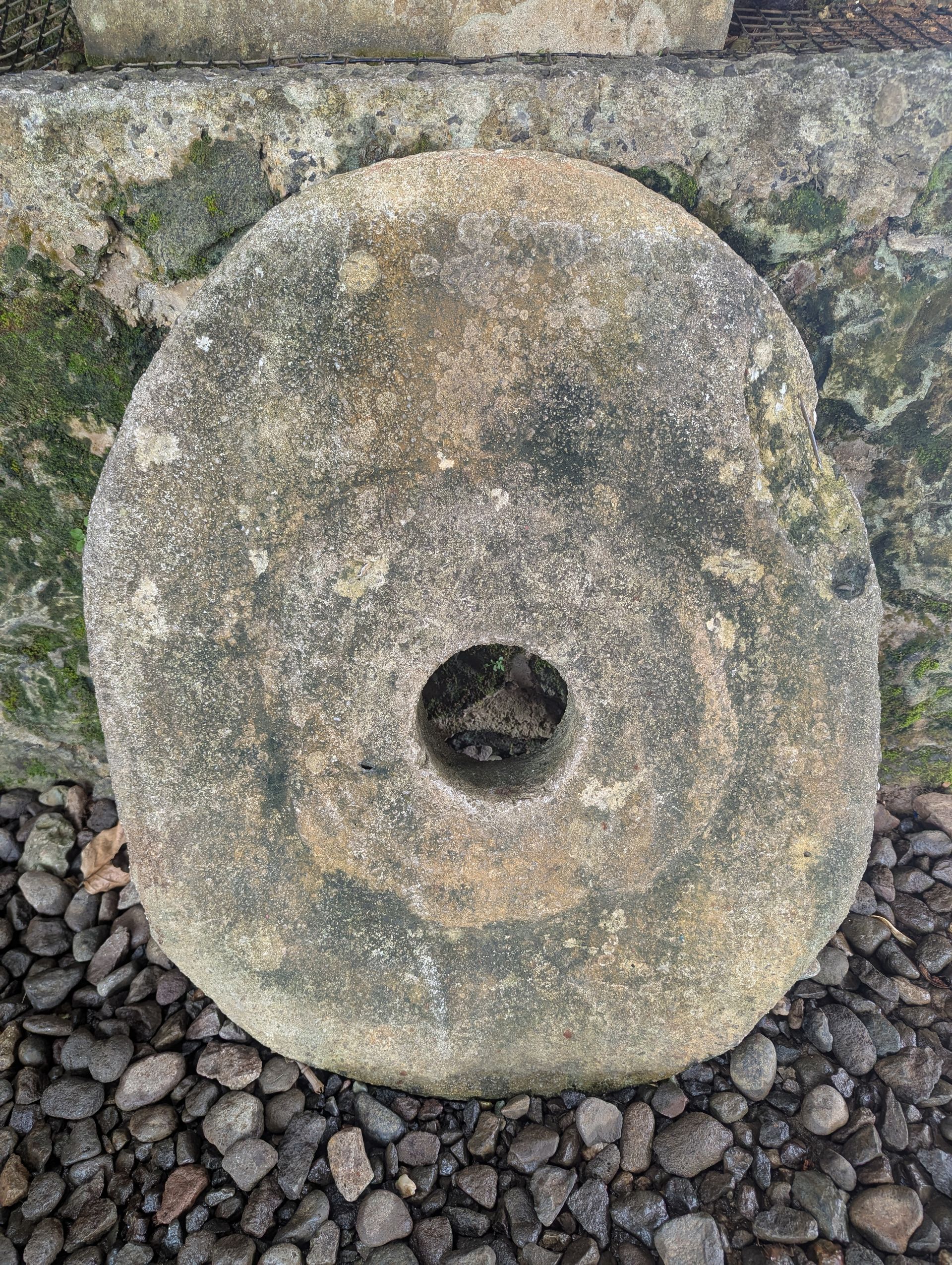
Traditionally there had been small round coins made of coral rock. The large round stones replaced these and evolved to stand for the value of human life(s) and significant human social interaction. There could be as many as 100 people working in the quarries of Palau over extended periods. The largest stones and one third of the smaller ones went to the chiefs. The rest went to the sailors and carvers. They came to represent relations among clans, marriages, disputes, communal projects like house building, road building and boat building. The value also increased with the age, size, beauty of the stone and the excellence of the carving. The new Rai were placed in front of homes and together in large open areas called “banks.” They were symbols of wealth, like gold.
The islands of Palau, where the limestone was quarried, are more than 300 miles from Yap. Stones were carved onsite using shells and coral rock, an incredibly tedious task, then the completed stone was placed on a raft and towed by canoe to the currents that would return it within the proximity of Yap. This return trip could take the stone on a 1000 km trip. The raft would be pursued by canoe then towed to Yap when it was within range. The Yapese were esteemed for their excellent navigation skills but many stones and lives were lost at sea during this process.
Because of the lives lost and the dangers of quarrying the stones, the initial value assigned was equated to human lives lost in their creation and transportation. Added to this were important events, sometimes inscribed on them. The history of each event the stone was used for was kept track of through oral tradition: a record of feuds, harms, compromises and forgiveness. Stones can be moved for a wedding, to settle a dispute, repay a robbery, a wrongful death or a divorce. But most of the time stones are not moved.
Presently Yap has three chiefs. There is a strict cast system similar to the Alaskan indigenous tribes. The chief, the witch doctor, soldiers and the labor class. The chief gives the labor class permission to work on projects for the community. There is a US influenced representative republic government as a result of WW2 when the US fought the Japanese from Yap and surrounding islands. The US dollar is used, but for important things that involve the villagers, the chiefs meet and decide. There are no women involved with the decision making. At the meeting ground there are about 20 or 30 flat rocks, permanently sunk into the soil, that stand about three or four feet above ground. These are chairs. Each person involved has an assigned chair. This is where they sit to discuss and decide. Betel nut quid is chewed. This increases the heart rate, blood pressure and body temperature creating feelings of well-being and alertness. It is the fruit of the areca palm and referred to as betel quid or paan.
These are beautiful undeveloped islands with a small population. It is a simple life. Everything is within walking distance of the port. In the town, there is a grocery, small everything stores, a hardware store, pharmacy, a bank, a motel, judicial and legislative buildings.
Because of the similarities between the stone currency and our Parallel Currency concept Jeff introduced himself to the Speaker of the House, who had casually walked out of the government building to talk to us. Jeff explained the parallel currency concept to him and how Yap was a country where it could easily be implemented for local buying of basic needs, food, shelter, education and healthcare. The Speaker showed interest. We left him our card so he could read more about it on the website. You never know where this may take hold.
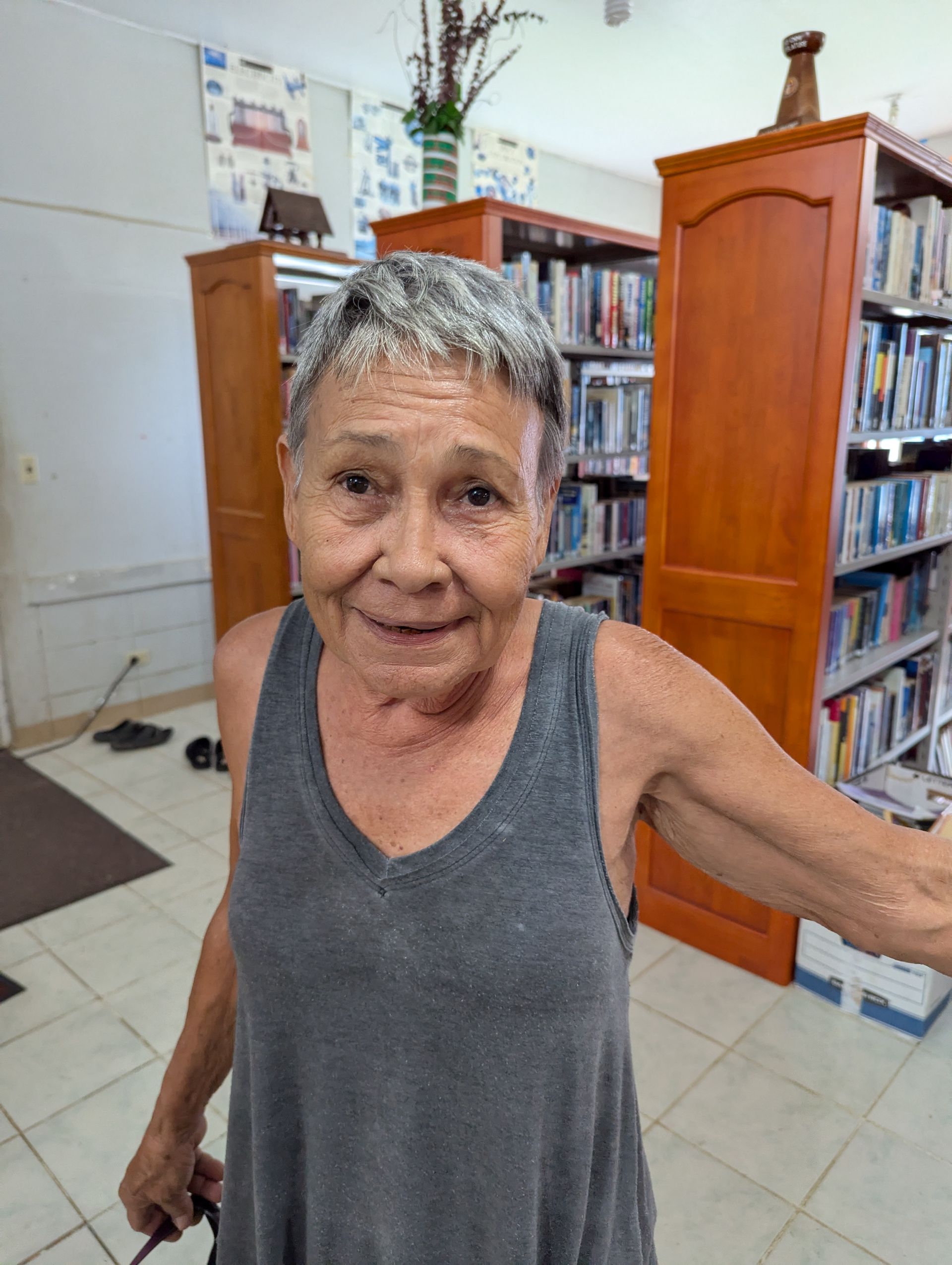
Homes peek out from lush tropical jungles. Everyone has a boat. I recognize many flowers and trees because they grow in Florida where we lived for many years; papaya, banana, hibiscus, zousha grass, bamboo. Their traditional homes are made from bamboo and braided palm leaves like the cheekies in Mexico and Florida. Presently the local librarian is attempting to write down the oral history of the stones so it will not be lost. She was unavailable when we visited. It would have been interesting to talk to her. I did find a local woman who answered many of my questions and appeared to represent the women's liberation efforts in the community.
The stones can be as old as 600 years.
Stone money is a parallel currency and functions as one even today. The Yap people use the US dollar but stone money is used for anything significant. Of course this interests Jeff and I a lot. The Yap stone money is a form of symbolic transferable value that gets its initial value from human life and human social history and is used in negotiations that benefit the community. This kind of understanding has been lost to our modern money systems. Today, paper money value usually rises and falls according to profits made. Humanity and Nature are considered resources and products that are used by modern economics to make profit, without concern for societal or environmental consequences.
Many passengers want to snorkel with manta and exotic fish while they are here. They have learned from the Internet what each place we go to has to offer that is exotic, unique or fun. These locations can be accessed by taxis and tour vans. We prefer to walk. We met an old sailor at the dock where the locals gather to chew betel, their teeth stained yellow and orange. He was probably in his 90’s, as skinny as a rail, Canadian and very deaf. He was single handing a 42 foot sailboat.
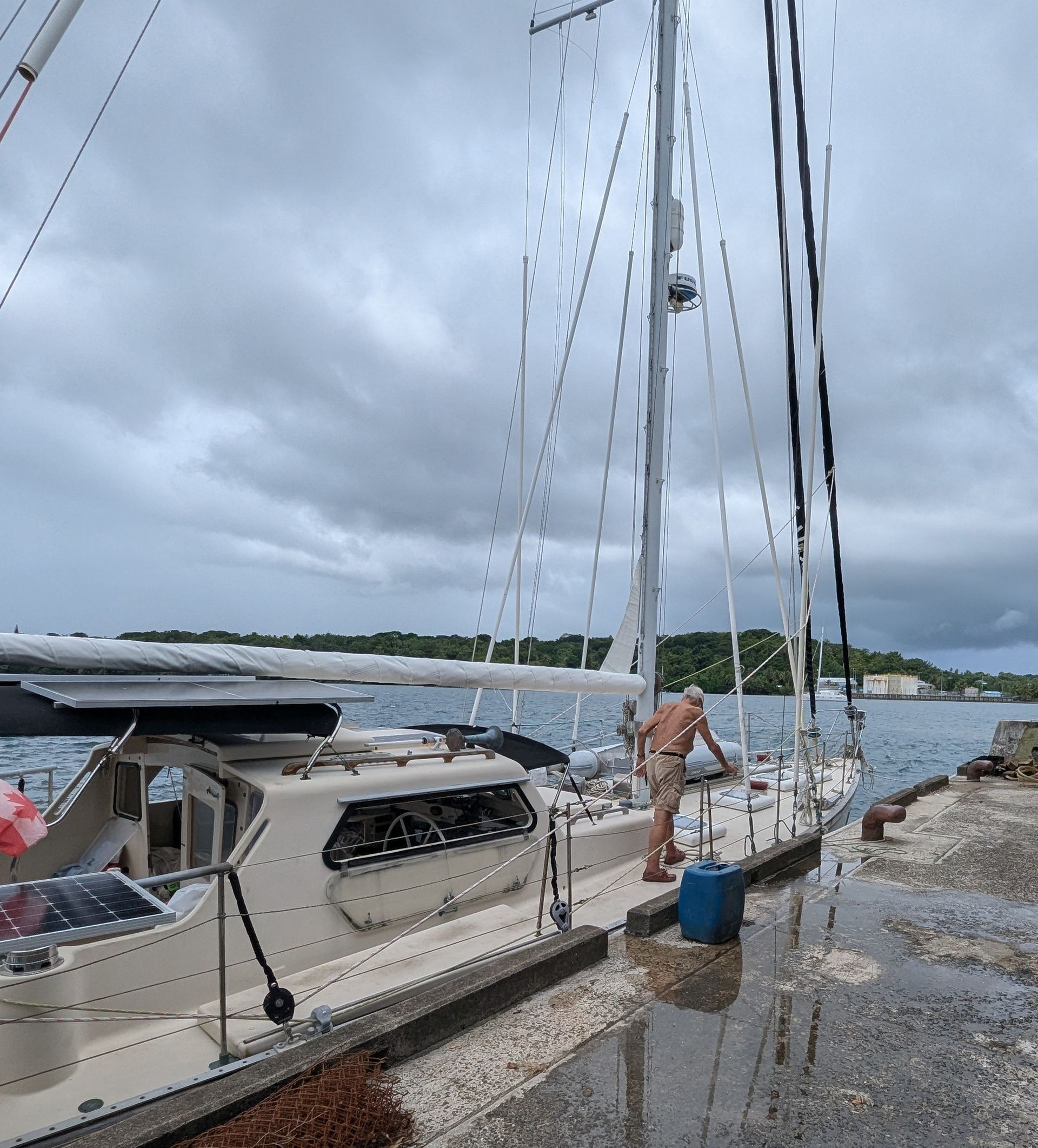
He left the dock while we watched, not particularly interested in us, on his way to the next island. He had stopped for two days to get previsions. We have to leave also, our two days were not enough to learn everything we wanted. Maybe we can come back someday. Yap is a very interesting place.