Chapter Sixteen – Japan Part 4
Japan Chapter 16, part 4, Looking back
Everywhere we go are parks for people to sit and relax or enjoy a walk in nature. The Japanese reverence for nature is central to their common understanding, but like all countries, it is struggling with the demands of Capitalism which has become our dominant economic belief system Worldwide. I read an interesting passage in Donald Richie's 1970 book,“The Inland Sea”, about Japan. “The Japanese are the last people who stand in reverence of the natural world. Rather than attempting to eradicate it, they have successfully adapted themselves to it, they have offered themselves to it, have come to terms with it. There is something larger than man, though this the West denys. It is nature itself, the way things are, have been, and always will be. The white man's most daring and foolhardy feat is mere rapine. All of his glory is merely brutality. He doesn't know how to live in the world he was born into and so he will destroy it and build another that will destroy him.”
As Robert Frost once said, there is salvation in surrender.
It is a common thread, the Japanese humility in the face of nature and its overpowering forces. Typhoons, tsunami these are nature at its most extreme. But there are many subtler events just as persuasive. Extreme cold, heat, drought, the advance of personal aging. Richie writes eloquently about this also, “One sometimes finds … directness in old people. Old people have gone through all the polite shufflings and mute longings of youth, all the inarticulate and confused reasonings of middle age, all of the false politeness, the hanging back, that shyness creates and manners sanctify. Old women in Japan can do anything they please. They can be rude in a bus or train, can pry into any matter, no matter how private, can be outspoken and impolite if they like, can wear the brightest colors, and can be so bawdy as to make their children blush.”
Even more important than these observations is a more subtle understanding, born from thousands of years of living on their island, that binds Japanese society. They can hold contradictions in mind and are not paralyzed by them. In the Buddhist stories there is a bird called gumyouchou. This bird has one body and two heads. Even if two entities have differing ideologists or philosophies, their lives are bound together by a single form. This teaches that it is essential to dignify each other rather than get polarized over differences. Like Siamese twins we are joined and must find a way to move on together.
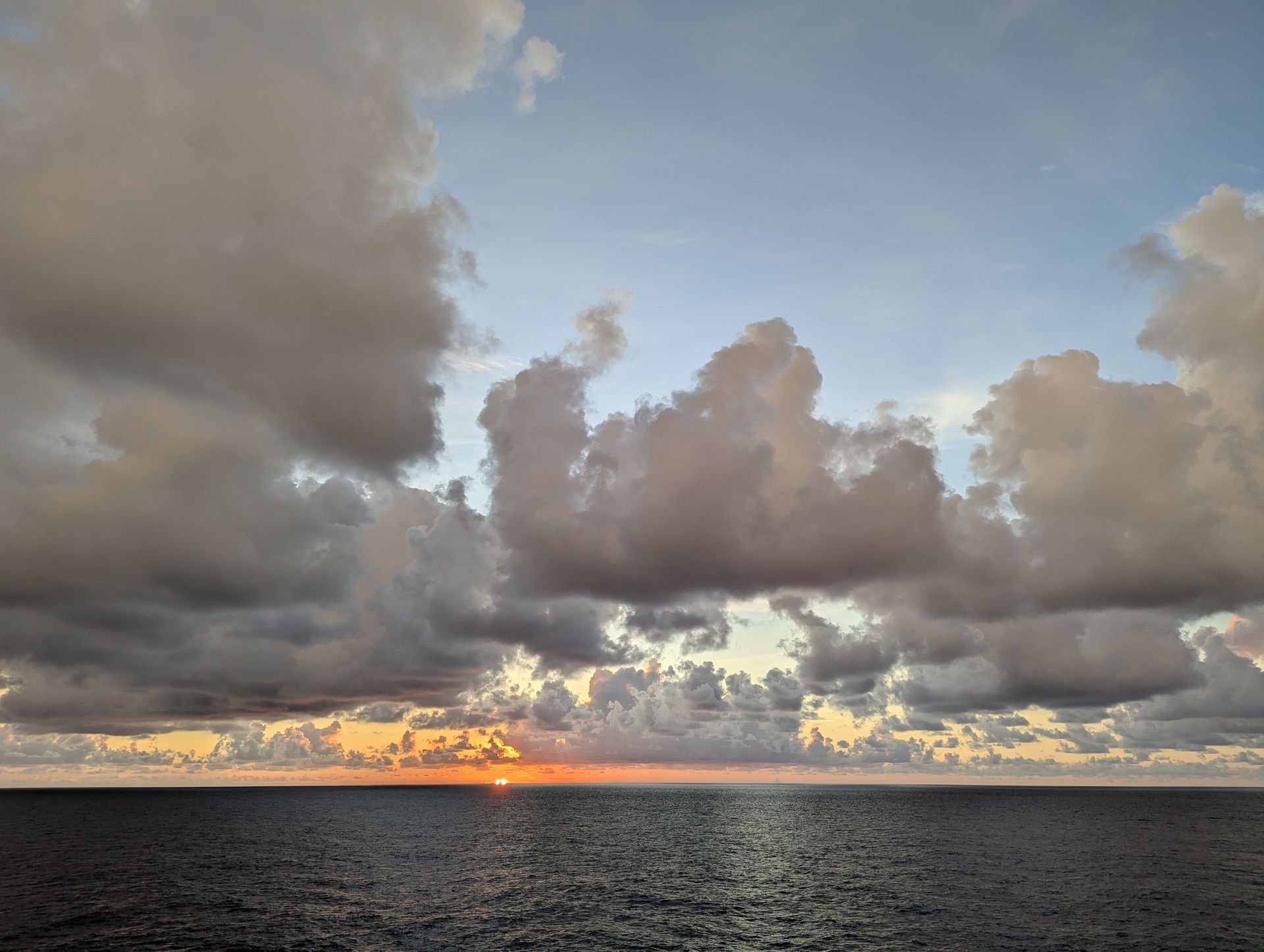
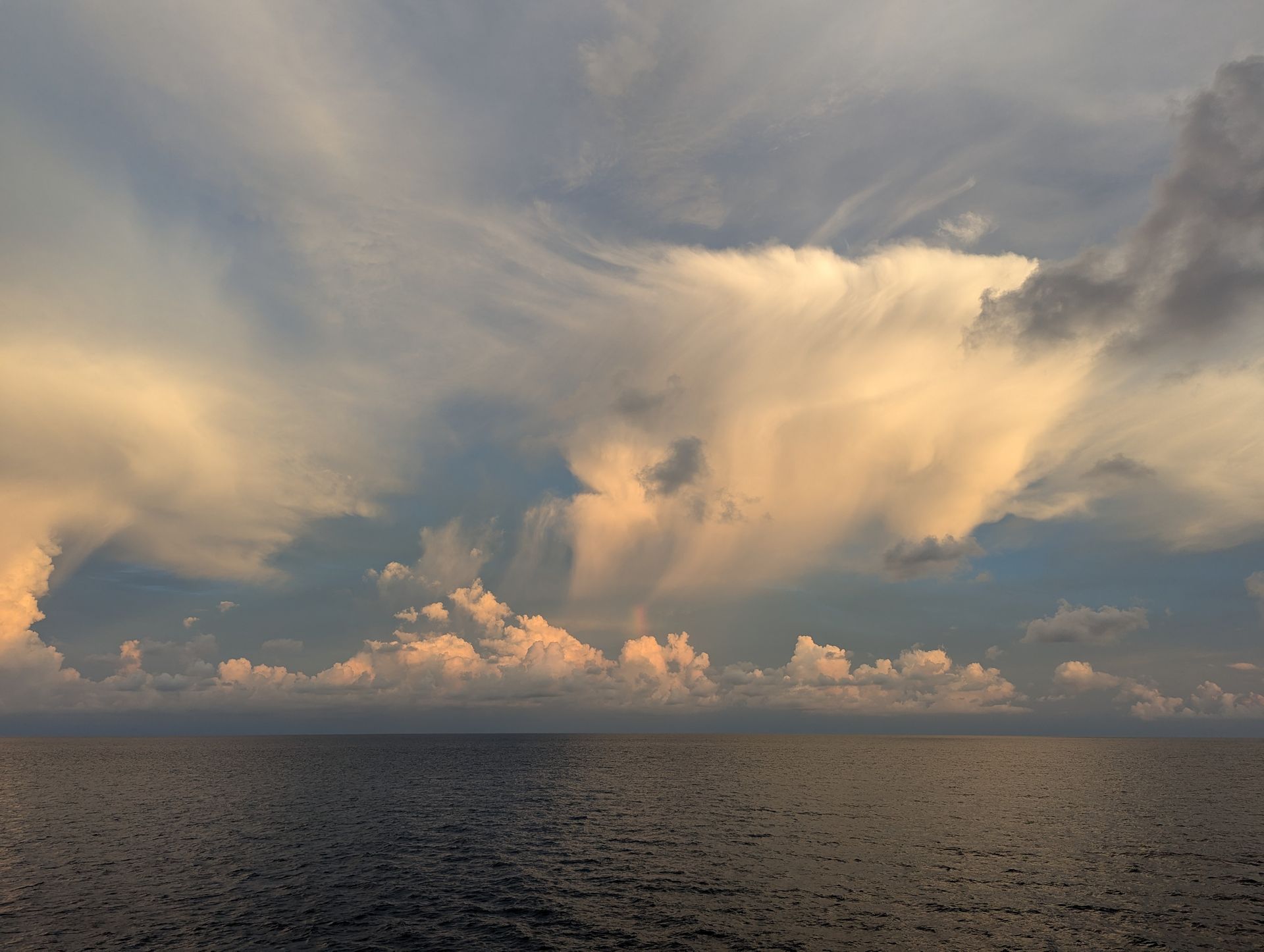
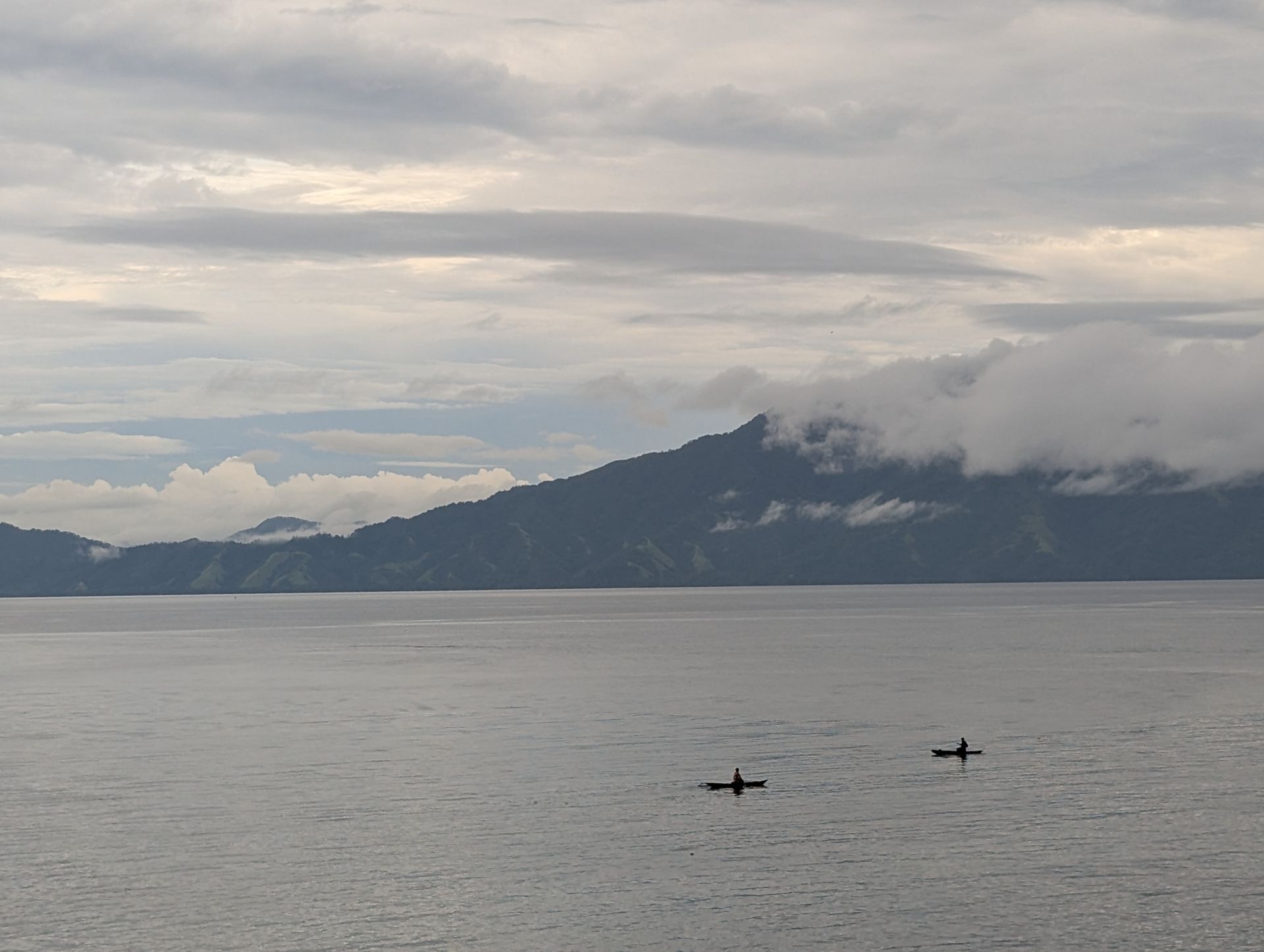
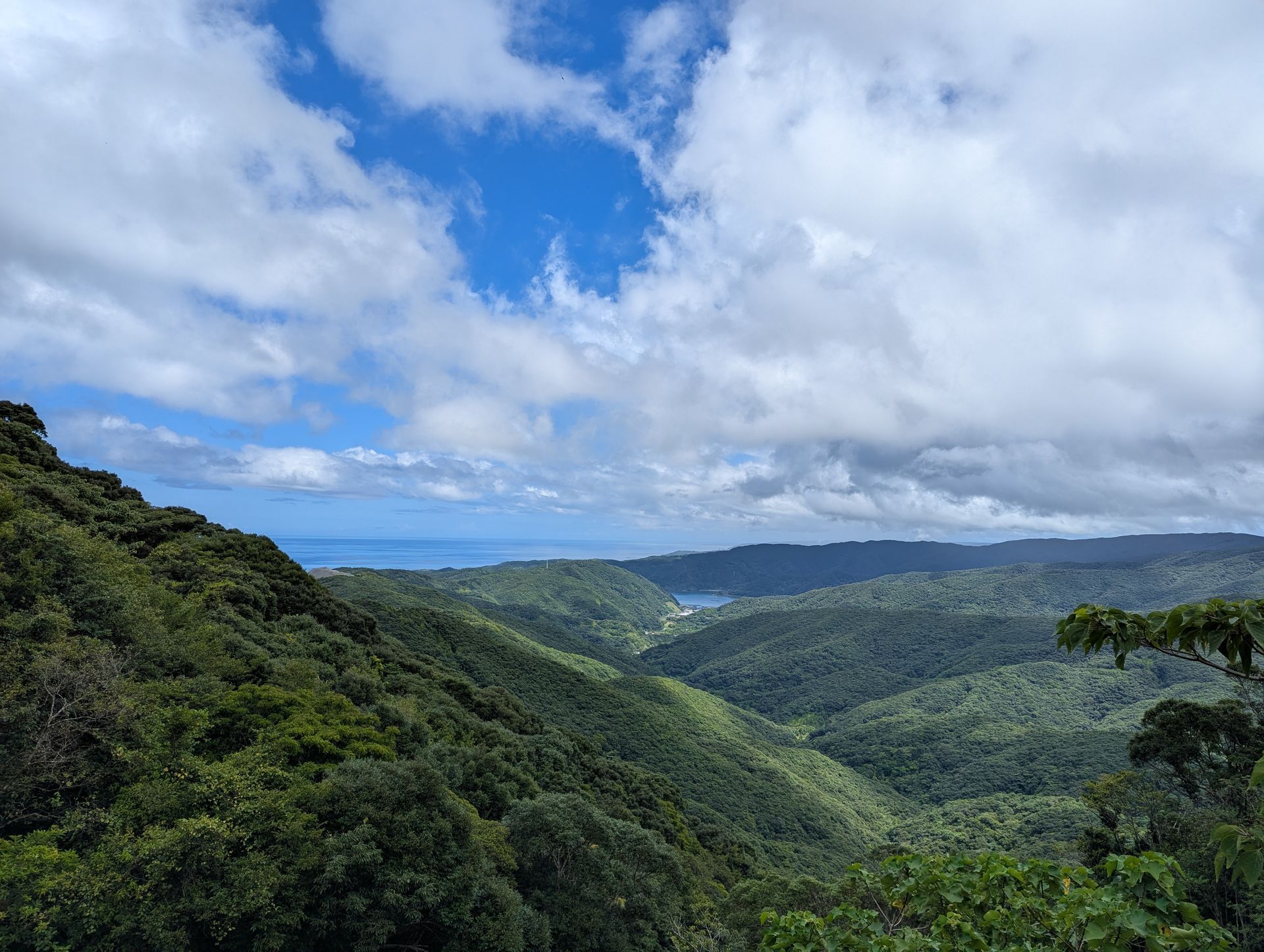
Nature seems to have conspired to allow a unique evolution of humanity on the Japanese islands, like the Galapagos where unique flora and fauna evolved nowhere else on earth. I looked out at the sea this afternoon. Its color was like animated sapphire. When we walked the trails along the mountain rivers to find waterfalls, gnarled elbows of tree trunks poke from the banks making grotesque faces.

At night rain flashes past the city lights, tinsel colored and silver. There is a dome of magic over these islands, where human imagination created the Shinto religion. A religion whose divine spirits, Kami, are inspired by nature and can make mistakes. Even the basic elements of air, water, rock and land that form every part of Earth seem different here. They have isolated and evolved the unique human characteristics of the Japanese people.
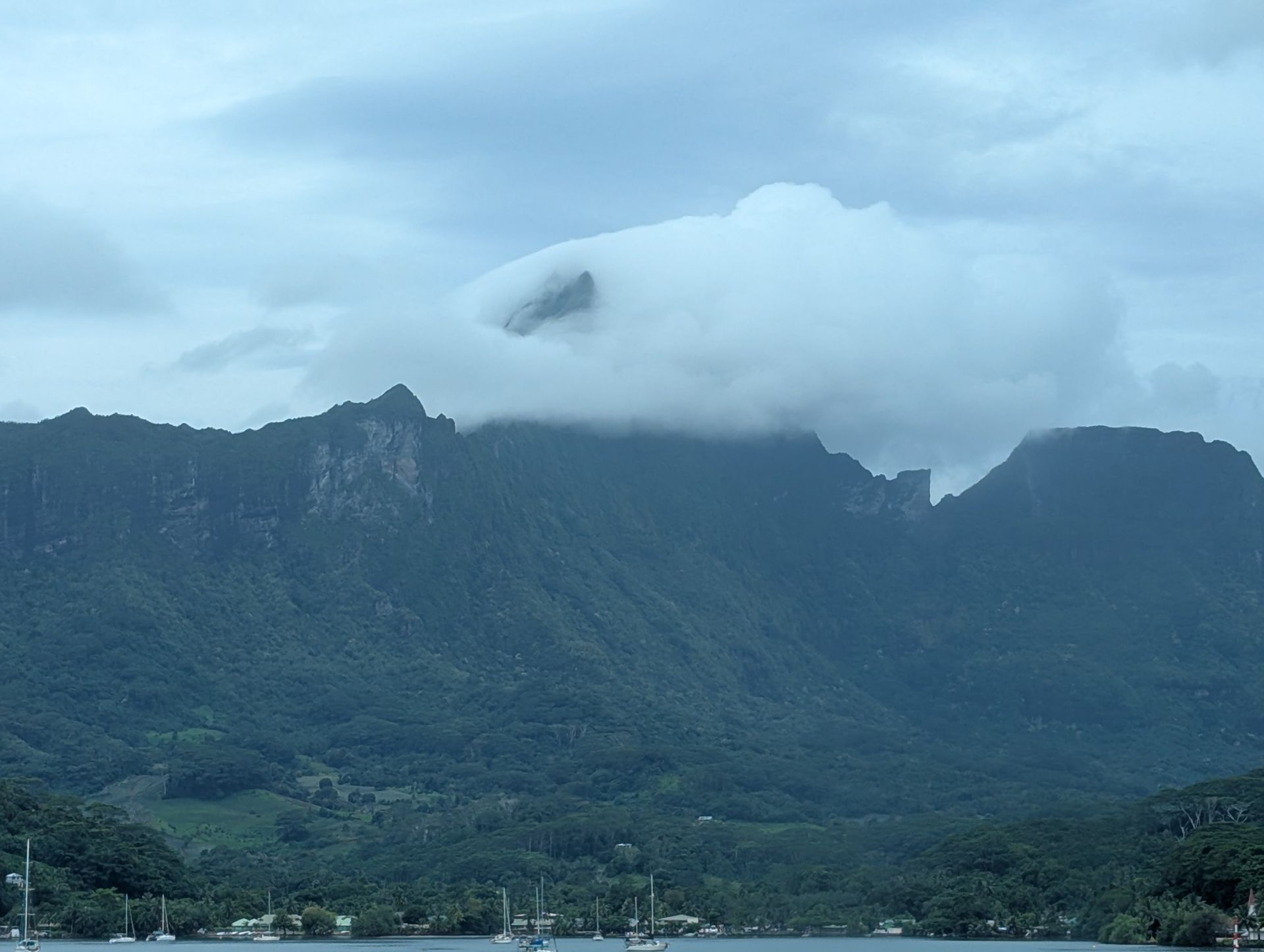
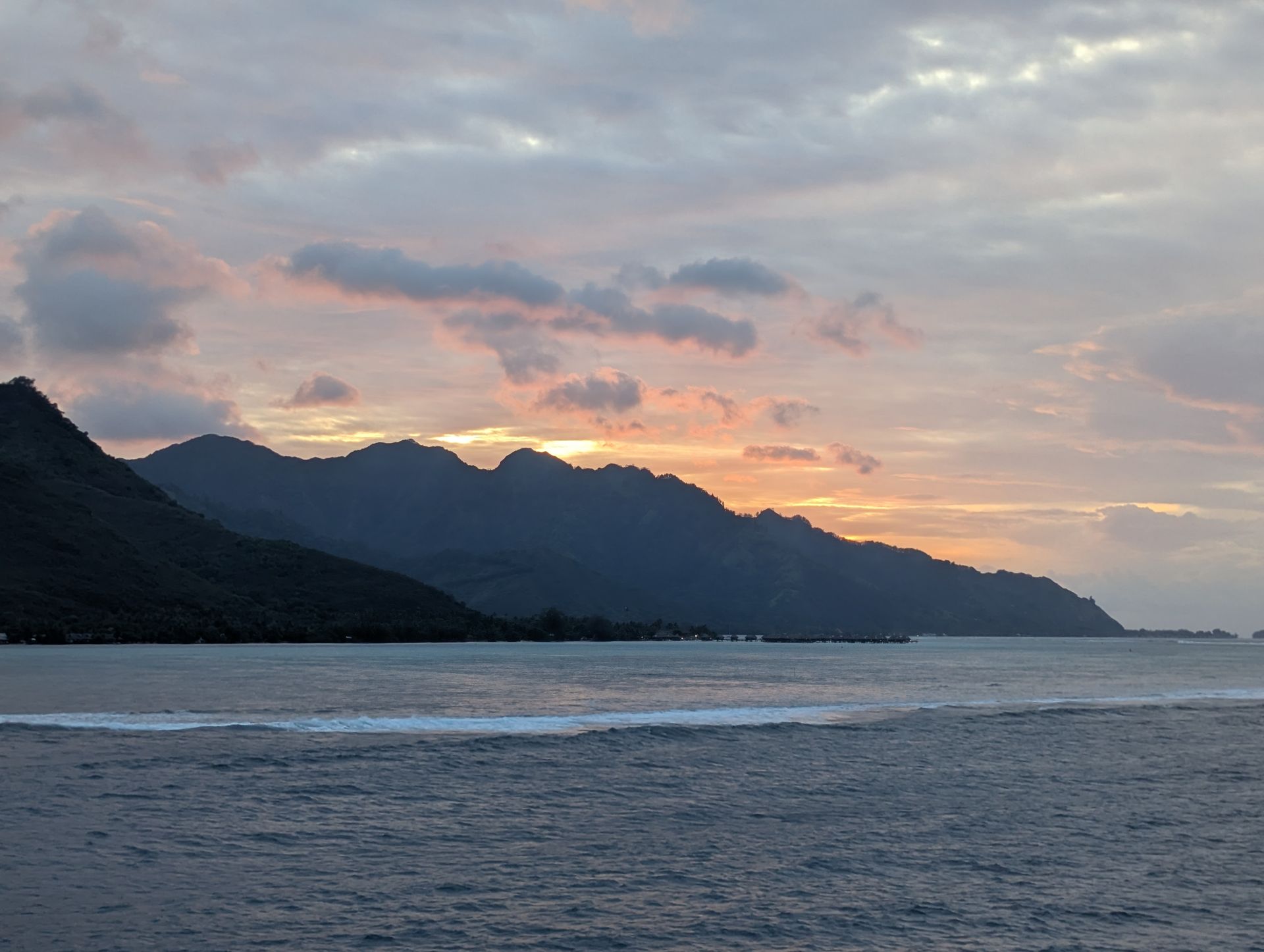
This societal agreement about how they will go on together is unique but not ideal. This is not about perfection. Their arts, music, their drumming and cartoons, their food, clothing, manner, beauty, their dance, their pace, neatness, kindness, curiosity, childlike enthusiasm and fierceness, conspire to form a special narrative. The physical beauty of the islands encourages pride. The views of the ocean from high mountains covered with a living, undulating coat of vegetation hide in some places diversity of natural life found nowhere else.
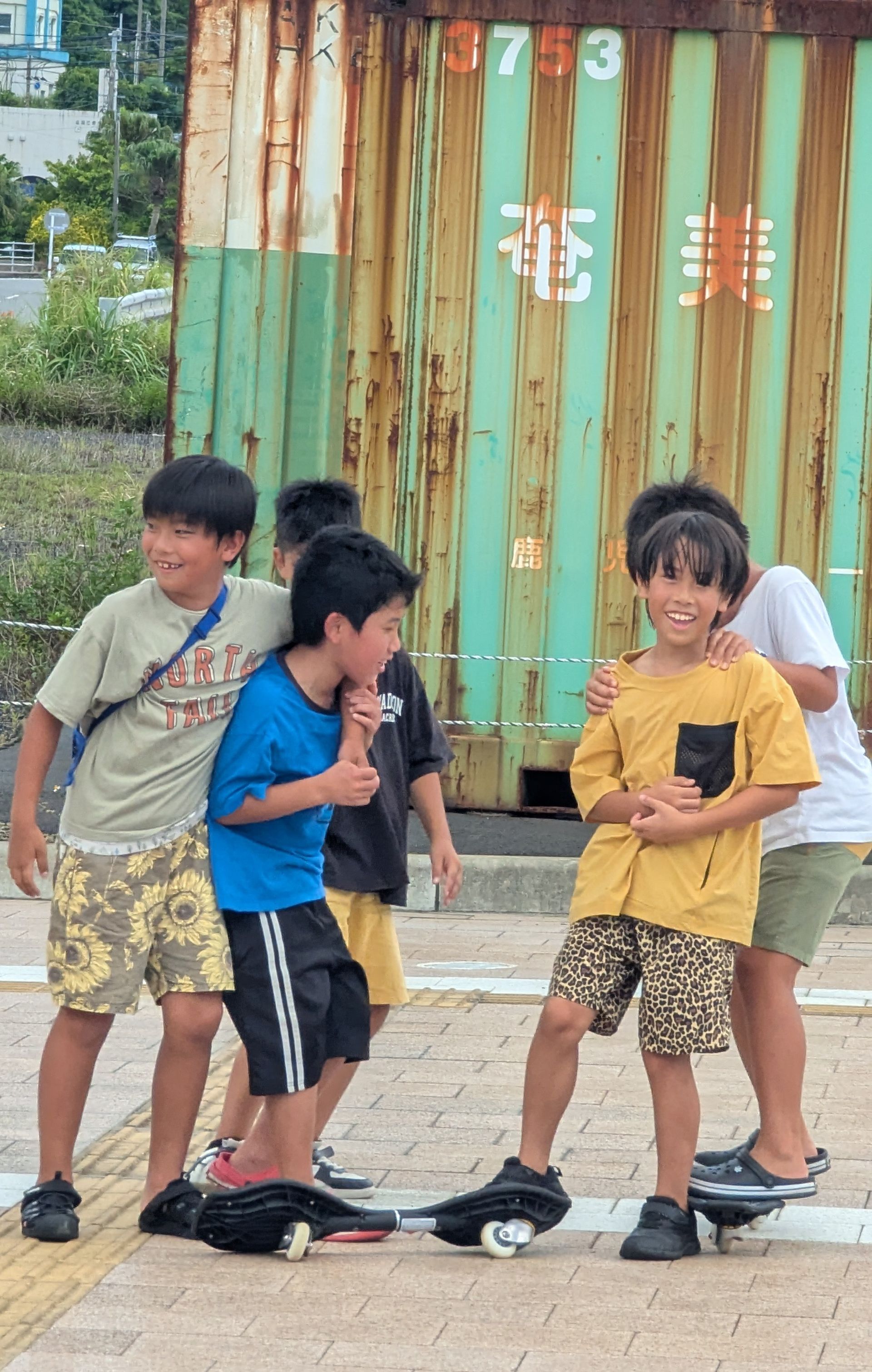
These things play on the nerves, senses and minds of the people. They will let what interests them in from the rest of us but they change it like an oyster covers a speck of irritant with its essence to create a pearl. I have noticed in mixed marriages the children are exceptionally beautiful. Even the genetics transform. You can't tell a boy's face from a girl's when they are young. The Japanese are survivors. They don't let grief over horrendous events distort their future. They are able to see past the injuries and continue to evolve, a people of dignity and joy.
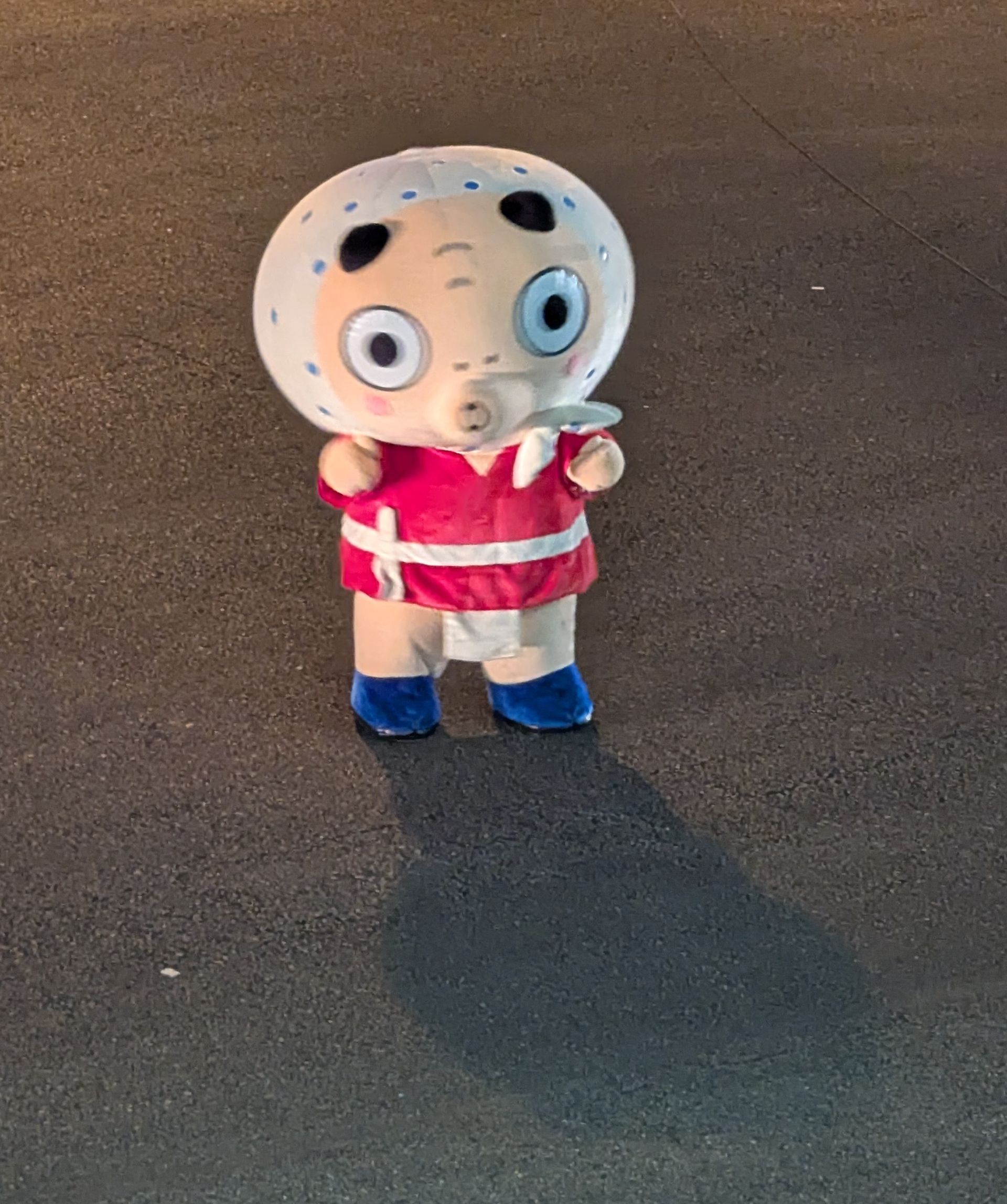
When we are about to depart a group of dancers and musicians arrive to perform for us from the dock. Traditional three stringed instants are played, ladies in pink, yellow and white kimono dance in a circle, gesturing gracefully. A local audience has gathered and an elderly man joins the dance from the sideline, moving his arms side to side in wavelike motion. Now and then someone produces a shrill whistling accompaniment. Male dancers emerge to drum beats and perform a series of contorted poses over and over. A child, barely three feet high, dances with them, along with a lifesize inflated cartoon creature.
Our boat starts to pull away while they are still dancing. Everyone waves good by, enthusiasticly. But it feels rude, after all the effort they made to bring their performance to us. The captain has a schedule and he is the last word. He blows the horn three times as a salute. The dancing continues on shore. It has become a neighborhood party.
Before the dancers came out, a local high school band played. One of the pieces was the American tune, YMCA. I wonder how they will eventually transform that piece of music. Maybe, if I come back, l will hear it being played on the speakers in a Seven Eleven on a three stringed traditional instrument.