Chapter Fifteen – Japan & S. Korea (8/25)
Japan Log, Part 3
General impressions, Japan and Jeju South Korea
The stylish young women stroll to and fro, tastefully dressed, or casually campy. The teen and young girls choose more frilly doll-like clothing with many combinations of soft color and fabric, even transparent garments over the whole. Composed and confident, their delicate features and flawless skin unselfconsciously displayed, they stroll, enjoying conversation, holding frilly umbrellas to protect them from the sun, unhurried, observing their surroundings. Sometimes you see young and old women wearing a long stocking-like garment that covers from their hands up their arms. The intention is again to protect their lovely skin from burning and wrinkling. Even some beautiful young men wear this. There is traditional acceptance of sexual ambiguity here, going back to Kabuki theater where men dress and perform as women or young girls. Homosexuality is accepted and unremarkable.
In the 6 story mall people are circulating, their perfect thin figures are everywhere, women and men, few elderly, lots of children and babies. Food everywhere. Is anyone eating this lovely artistically presented food, packaged invitingly, with pastel colors and cartoons? Meanwhile back outside, no sirens, no loud motorcycles, people walking, quietly talking. No litter anywhere. No garbage cans, you are expected to carry your wrappers and empty cups and bottles with you and dispose of them at home. In our case on the boat. Japanese adults don't point or stare and make the puzzled, disoriented foreigners feel unwelcome. Only very young children greet you with a surprised, unbelieving expression, reminding you that you are very different and not where you are supposed to be.
The buildings are concrete and modern. They crowd the shorelines. In the neighborhoods, a block further back, you find older homes with decorative tile roofs and intimate gardens, mixed with homes of recent construction, less decorative and many times using improvised available materials for repairs. The gardens are not vegetable gardens, they are flowers and small trees sometimes in many pots along a driveway. We were surprised to find very few electric cars and saw only one charger on Yokohama, that we didn't see used as we were visiting for several days. The bicycling and walking more than make up for this. Japanese people have built efficiency into their lives.
Royvon left the ship in Nagasaki. He has been a server here for 6 months and will return home for 3 months. His wife just had a baby and he wants to help care for it and take care of their home. We may not see him again. The income from his cruise work is essential to his family but his emotional life is better when he is at home. His next ship assignment might be on a different cruise. The long periods away from family are hard for the married employees, but they get better pay than they can get from jobs at home. This is the compromise they live with. The difficult decision they have to make. Some people who work aboard we get fond of and he was one of them. We used to tell him he is doing “a hell of a job!” Whenever we saw him he started saying that to us and on any occasion he felt like. A lively person and kind gentleman, we will miss.
A visit to Jeju Island, South Korea
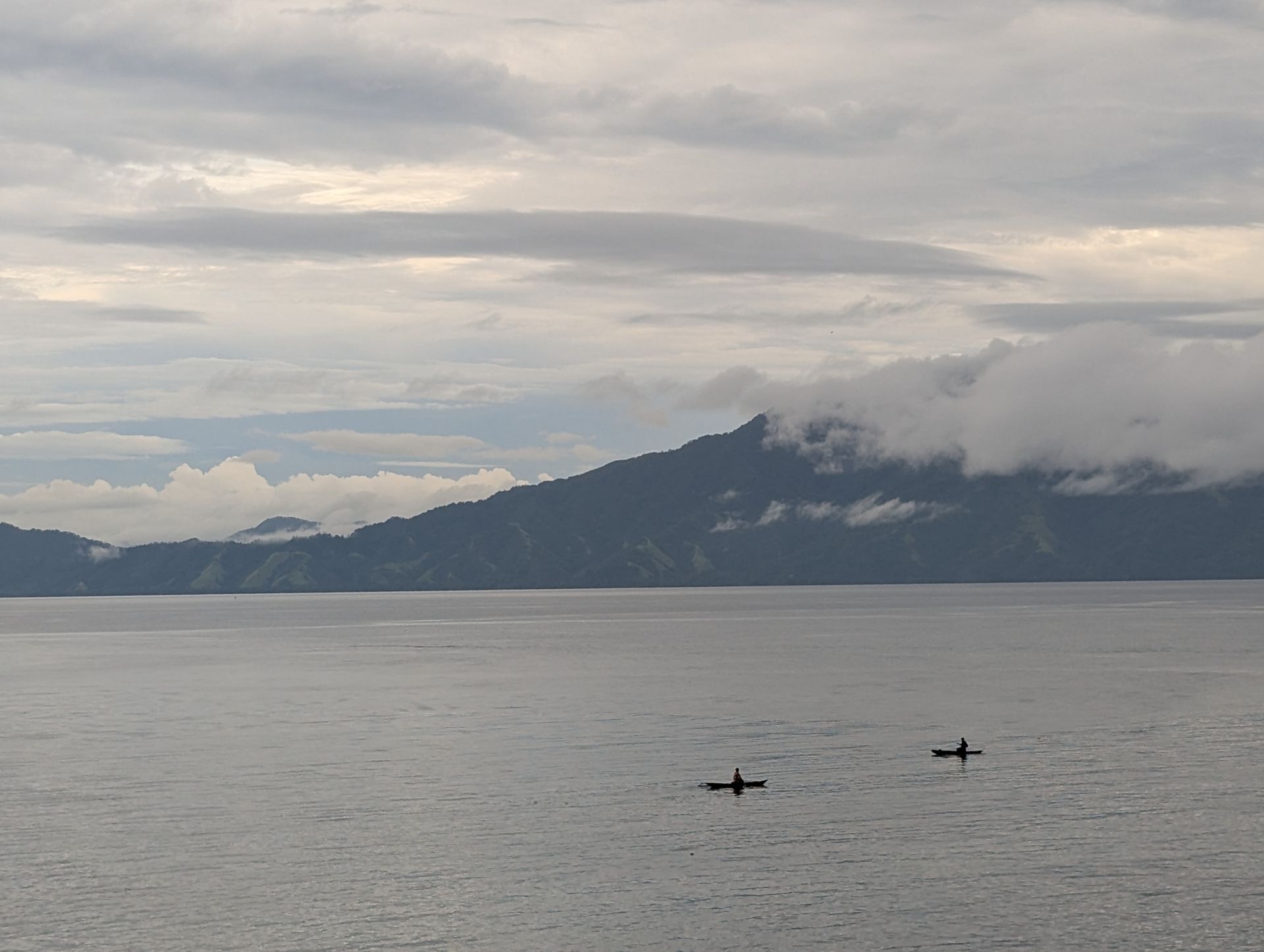
We are on our way to Jeju Island for just a day and overnight. As we left Japan from the Straits, to enter the Sea of Japan. There is a significant array of solar panels and large wind generators to our left. These are anchored into the sea floor, as many as 30 of them, they wave us on our way.
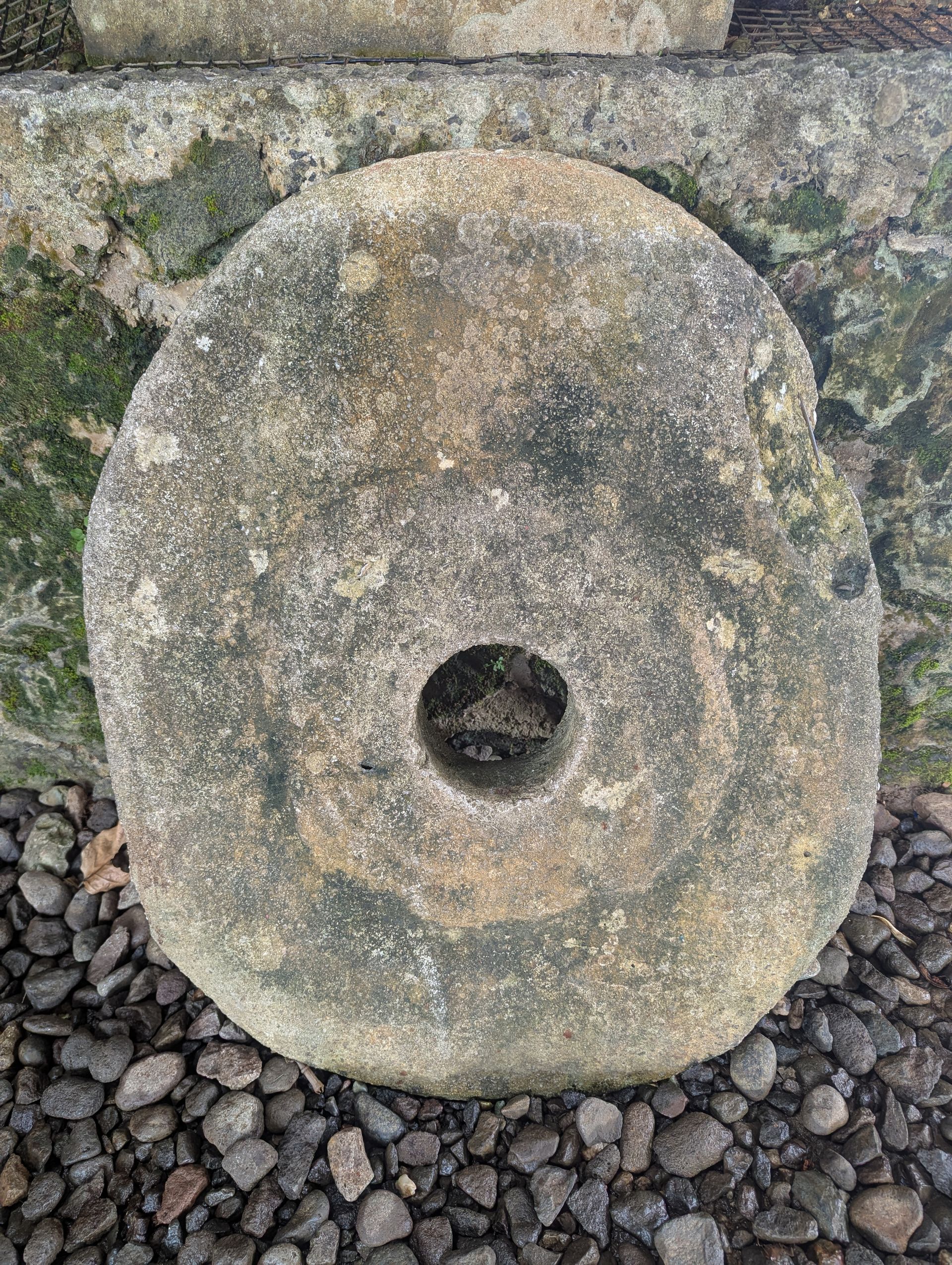
When we arrived at Jeju Island it was still very hot, in the 90’s. It feels hotter than Japan because of the humidity. There is a different social atmosphere here. The people are kind and friendly but there is less of an ambition to make surroundings beautiful and organized, as we observed in Japan. This is a more workmanlike society. It has built itself around the practical necessities of life. Many, many plastic covered tunnel greenhouses, hundreds of feet long, lined up side by side everywhere you look. Various kinds of citrus dominate. They are grown inside the greenhouses and outside in acres of rows. The main street that we saw was well used, almost run down, with basic shops for grocery, auto repair and others that were hard to identify as they were in different states of repair and disrepair. We are told there are beautiful waterfalls nearby. Some local people use them as a kind of water message. They will sit under them and allow the water to pound their bodies. Curious statues carved from the local volcanic rock, representing a pudgy being with a bowler hat and pleasant expression, are here and there strategically placed. They are called dol hareubang, which translates to “stone grandfather.” They are placed in front of entryways to project power and protection against malevolent energies. They are also believed to enhance fertility. And there are the women divers of the island, Haenyeo. Traditionally they were the main breadwinners of their families, diving for abalone, seaweeds, sea urchin, conch, fish and other sea foods. They also tended crops. I am not sure what the men were up to. Probably wars. Historically and recently with the Korean War, men have been removed from their villages to serve and women are left with families to protect and care for. As far back as 1629 a group of ladies left the mainland and settled on Jeju Island probably for safety from violence and invaders. They developed the survival techniques that were necessary for the island environment. One of these was free diving that allowed them to hold their breath for minutes at a time. They dived more than 30 feet and harvested edible sea foods with a knife. Girls were trained as young as 8 years old. Today there are still women practicing these skills but most young women seek employment on the mainland.
Today I read about a Korean film director who has made a film about an extreme individual reaction to capitalism, “No Other Choice.” This kind of artistic effort shows that the collective unconscious is at work. It is interesting that this and other socially probing films are coming from South Korea. According to the director, Park Chan-wook, the film has been in the works in his mind for a long time and its moment seems to have arrived according to the reaction at the Vienna film festival. It was based on a script/movie called “The Ax”, as in the American saying goes, “getting the ax,” (which means getting fired from your job.) In Korea the same experience is referred to as getting your throat cut. The individual in the film has been fired from his job of 20 years and feels that his only “choice” is to kill off his competition or he will lose his opportunity to get another job and remain in the upper middle class.
If we could leave class behind and the snobbery and prejudice it inspires there would be a new type of social interaction and new agreements, based on real human qualities not their bank account and material possessions.
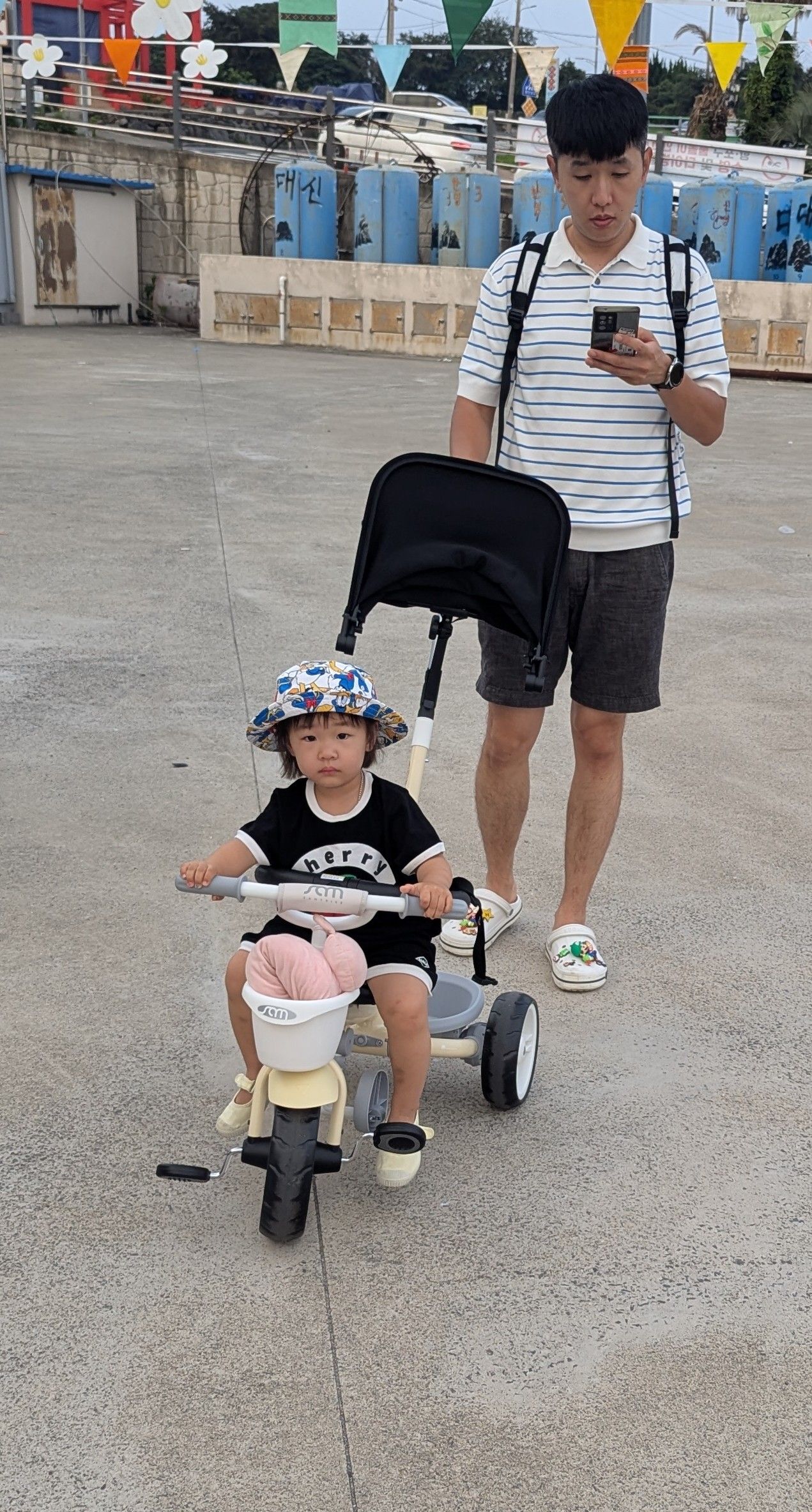
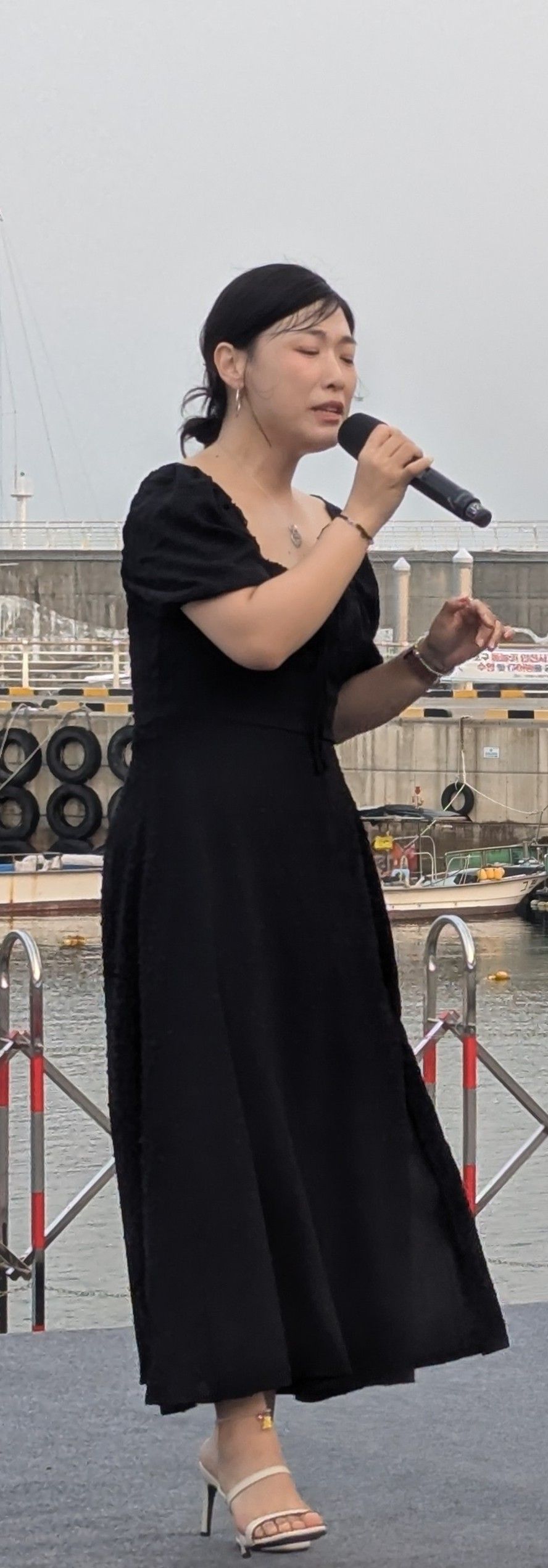
We visited a small street fair near the port. Many local people were there. A young child in a stroller stared at me in disbelief, like I was a fantastical creature from another world. We listened to K- pop sung on a small outdoor stage by two otherworldly performers, one a woman and the other a man, both beautiful.
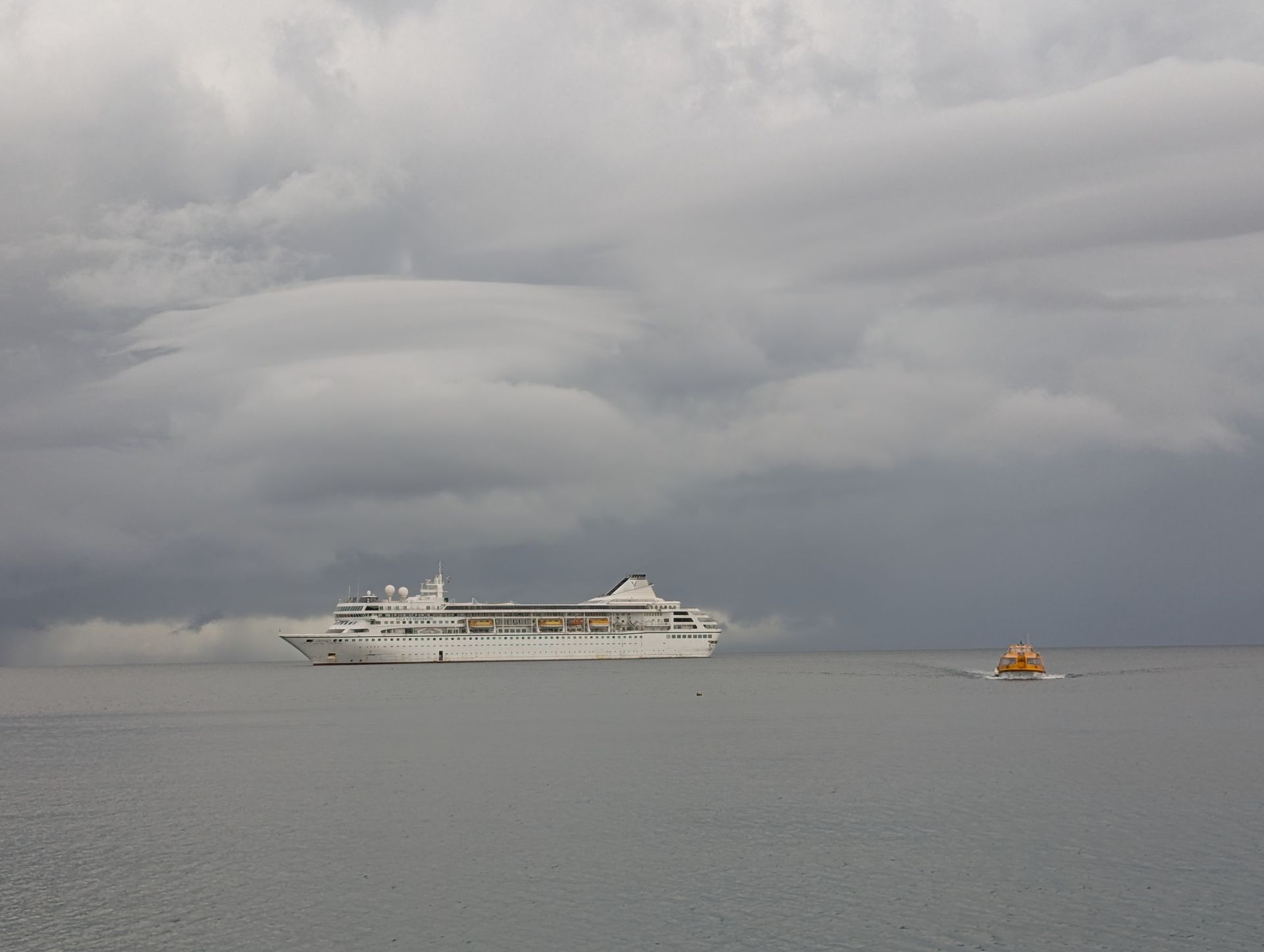
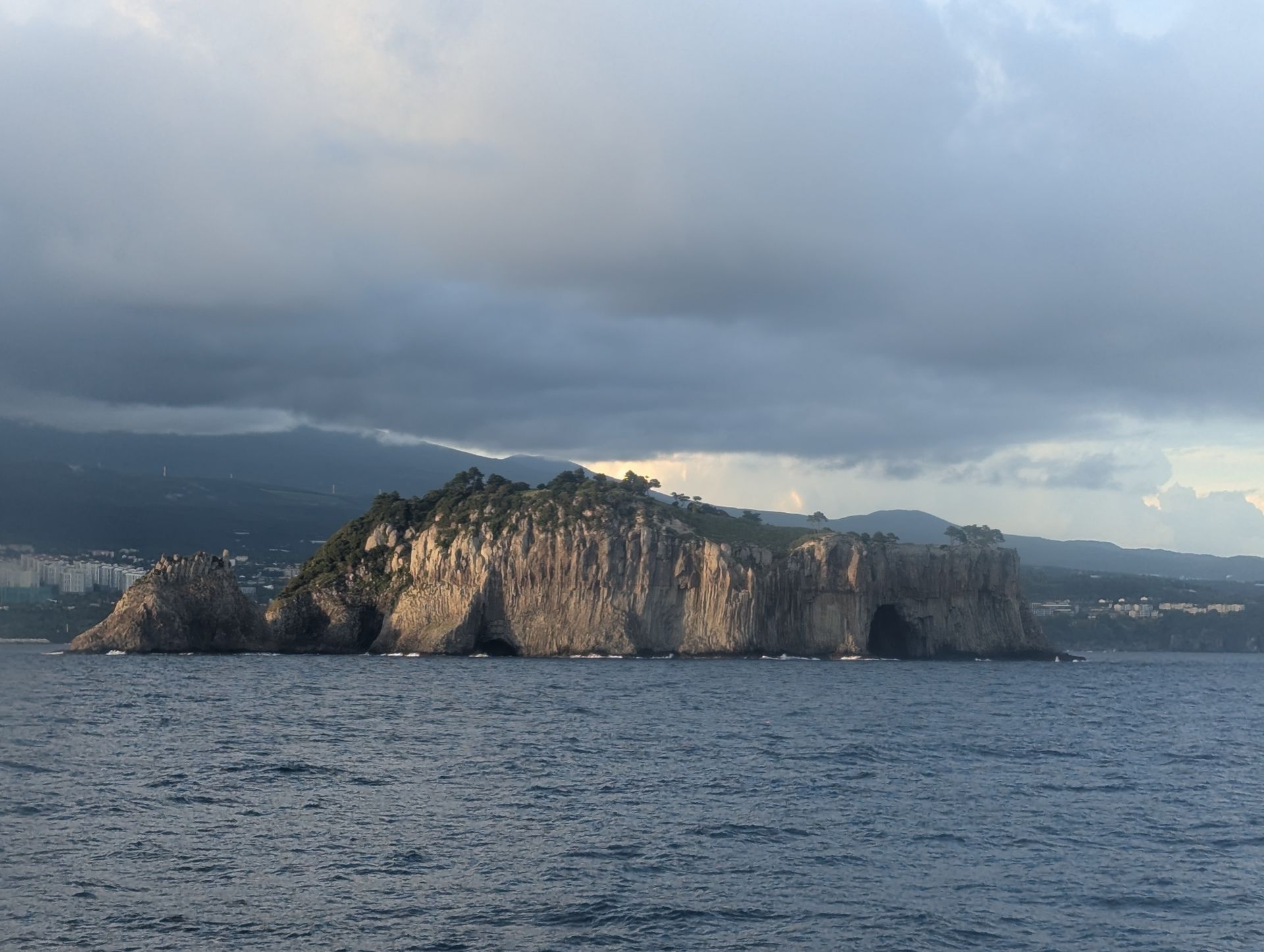
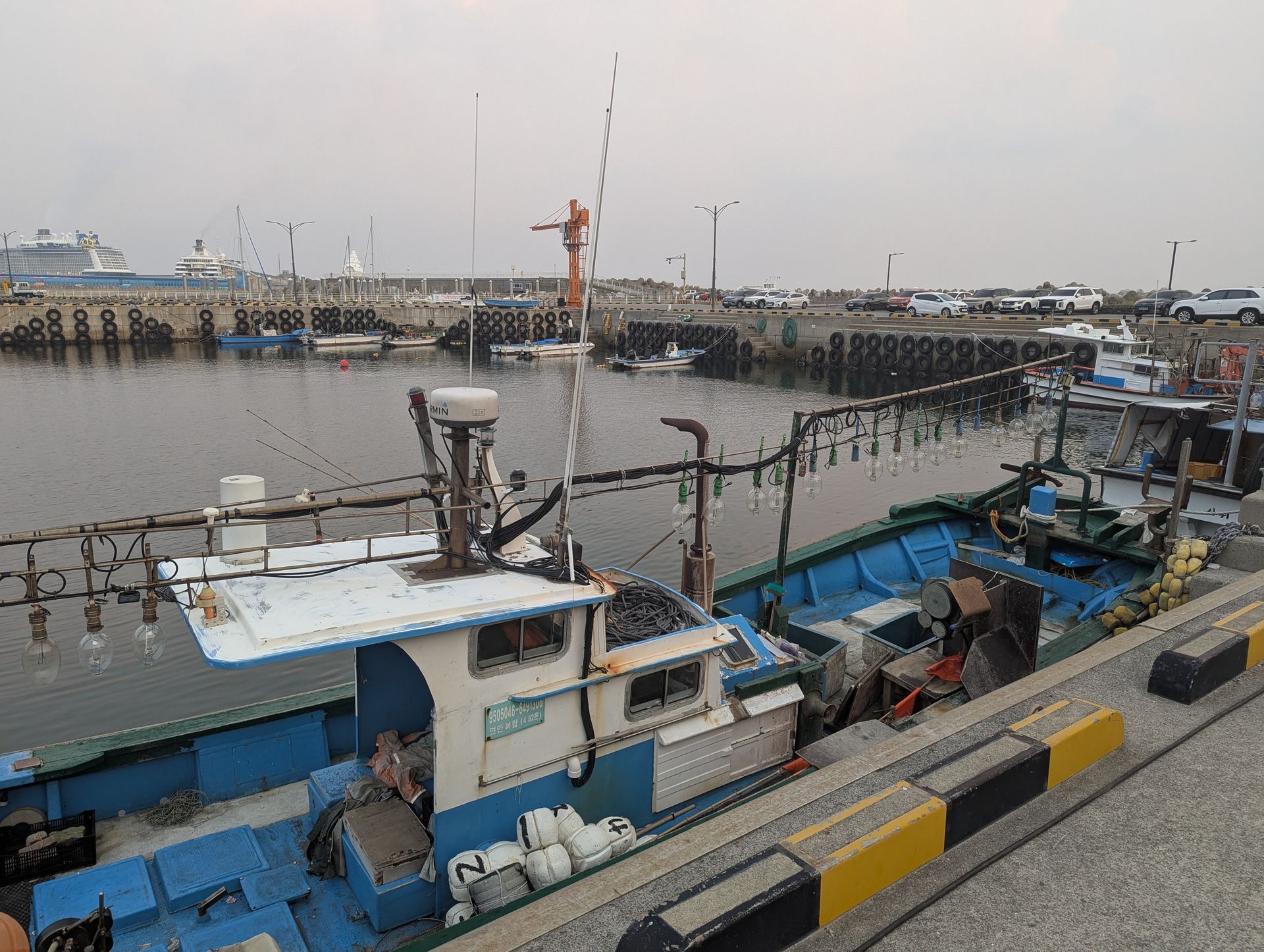
We departed from the island in the early evening and watched the dark blue silhouette of Jeju Island shrink and into the night. Then slowly, bars of extremely bright light began to appear here and there around us until we were at the very center. The lights were so bright you couldn't look straight at them. Fishermen were out luring squid into their nets, with these lights.
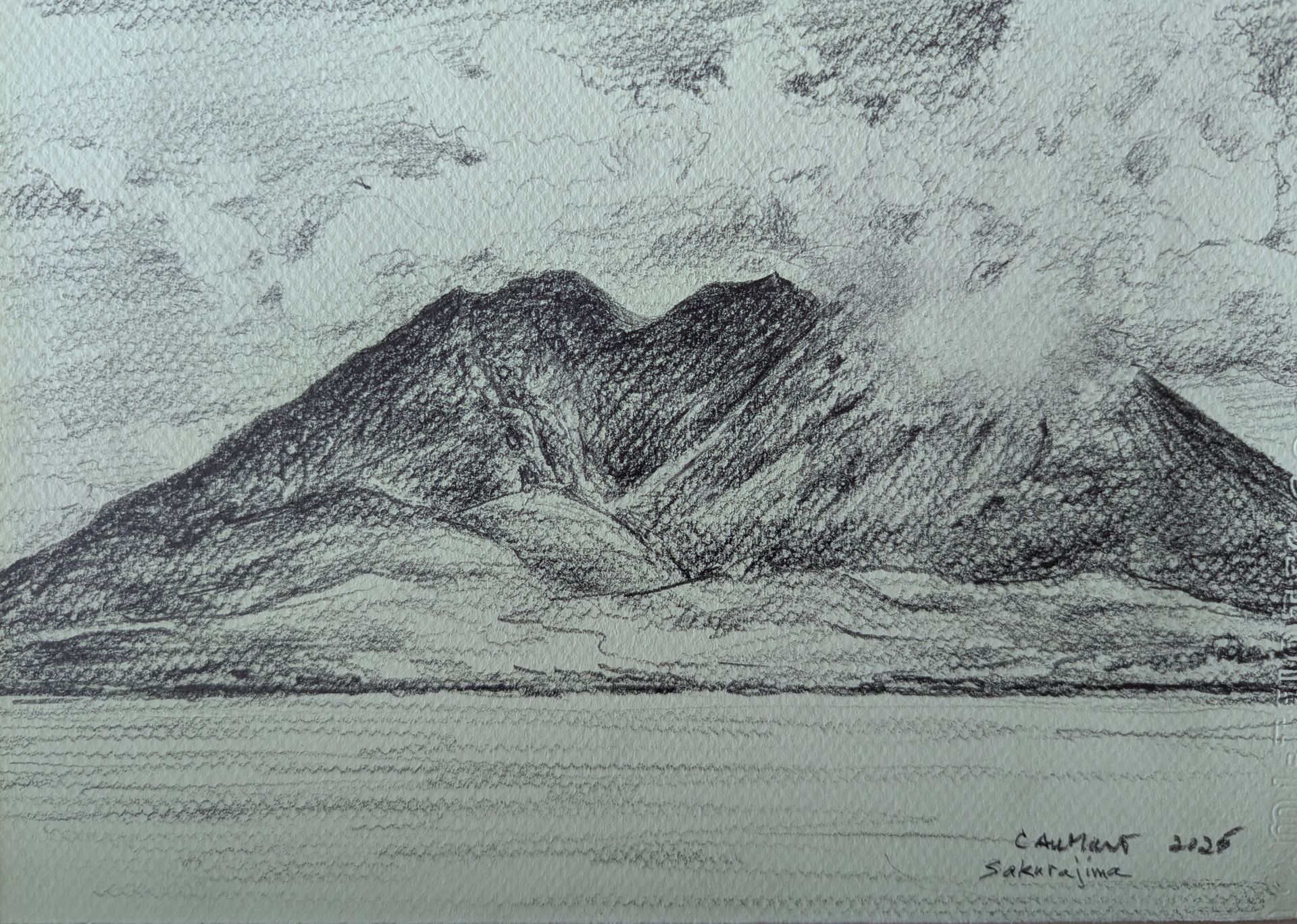
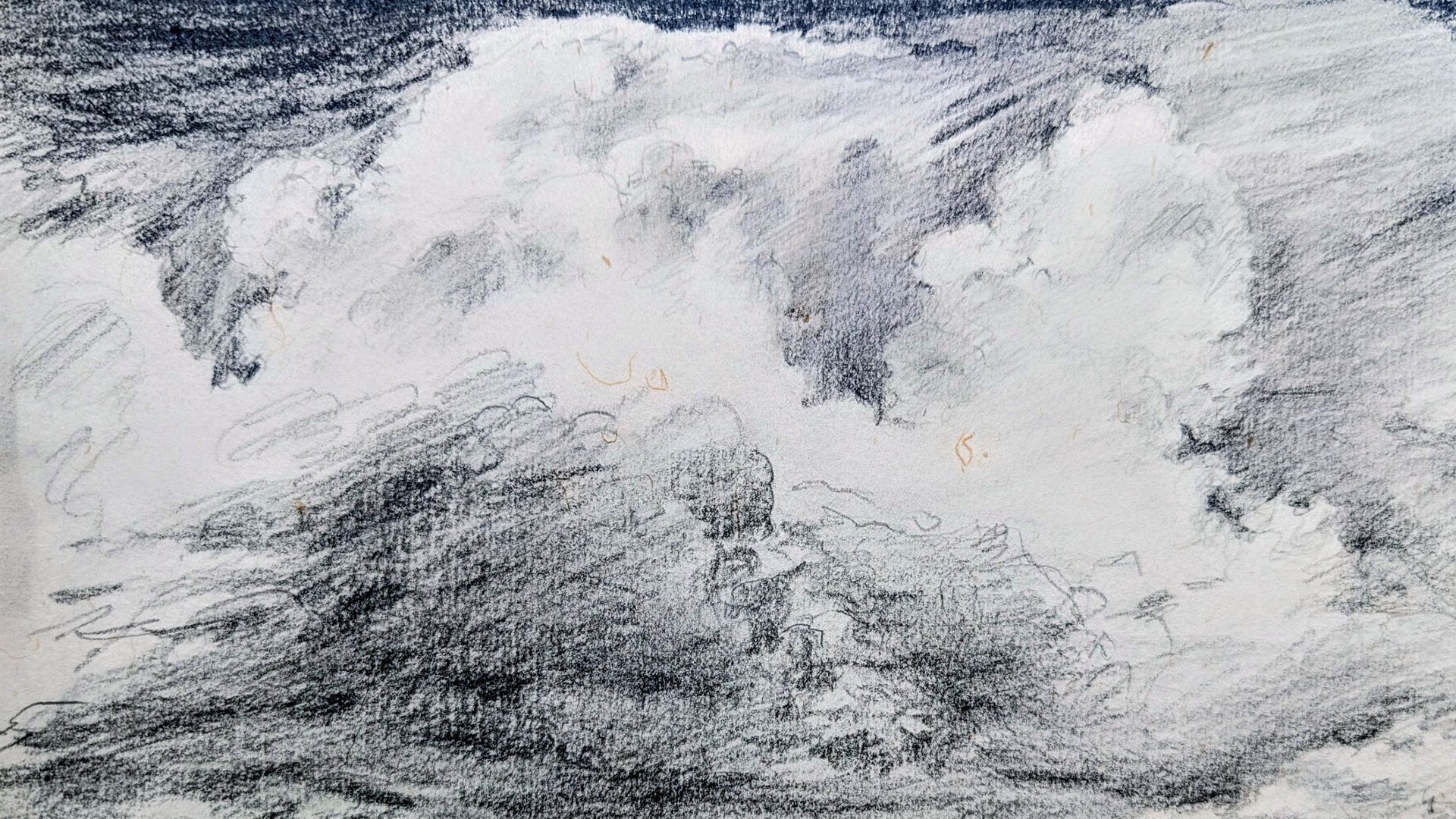
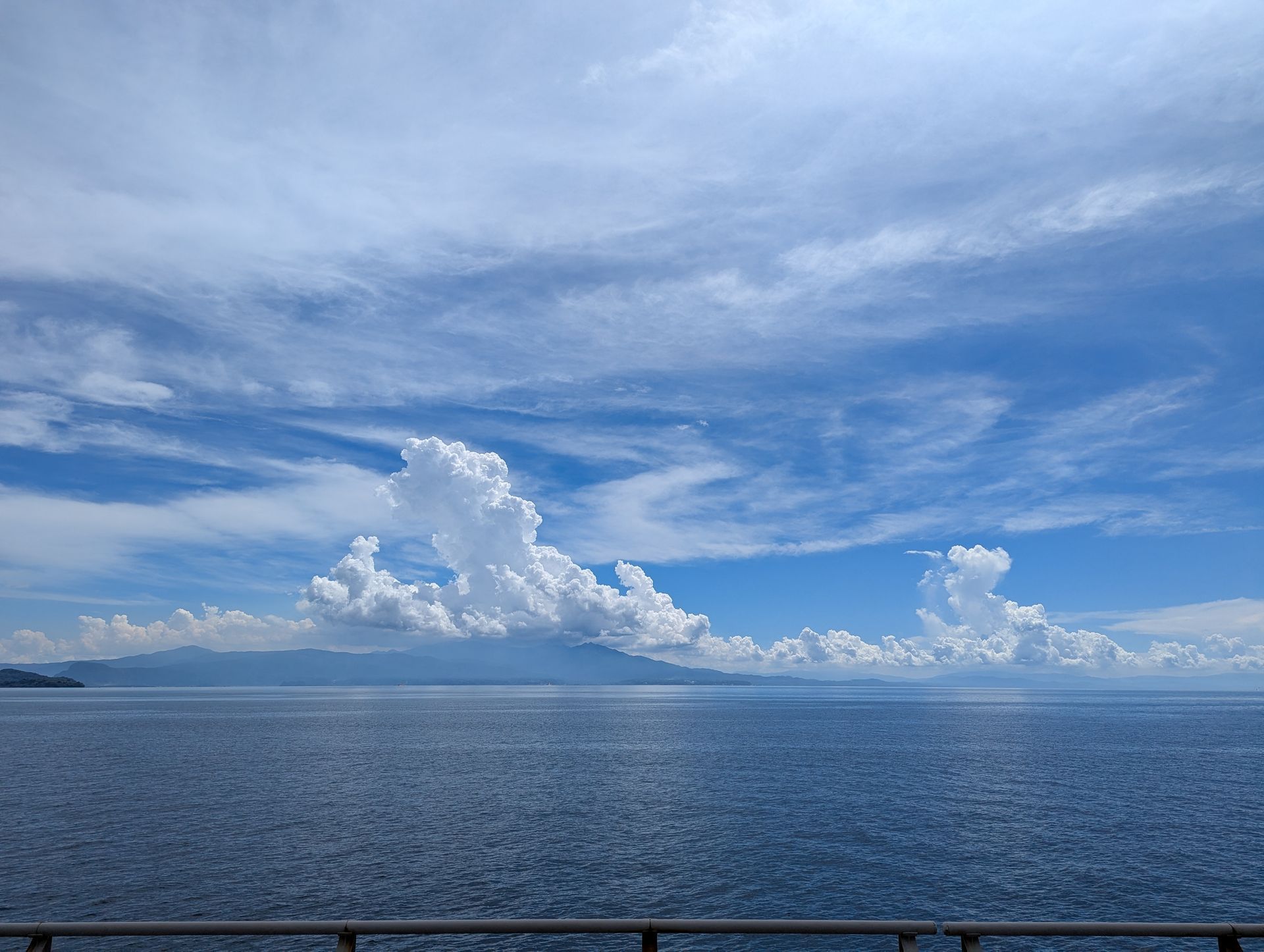
We have returned to Japan. We are now visiting its smaller islands, the archipelago, that strings down from the big islands. I spent the morning outside drawing a volcanic mountain. A large and tranquil park was nearby with shady places to sit. I picked a spot and drew for a few hours. People walked by in the morning breeze that blew the heat away. Around lunchtime more people arrive to sit and eat. Like exotic birds landing near me, they settle on nearby benches, quietly talking. I was careful to continue drawing, not to get distracted. If I looked up, I thought they might startle, become alarmed, and fly away. I couldn't understand what they were saying, but that was OK, a kind of relief not having to make sense of things, just existing. They accepted my presence. An old man was walking a little dog and came up to me to see the drawing. He spoke to me in friendly, excited Japanese and I smiled a lot and bowed, then he walked away. The soothing talk continued around me, like listening to pigeons cooing. One young man was reading. I felt comfortable in this place that I had never been before. We will leave at 9:00 this evening and I will never see it again. But I have a drawing of their volcano, Sakurajima.