Chapter Seven – Hawaii Part 2 (6/25)
Hawaii, 6/1/25. CAW, ch 7
Part 2
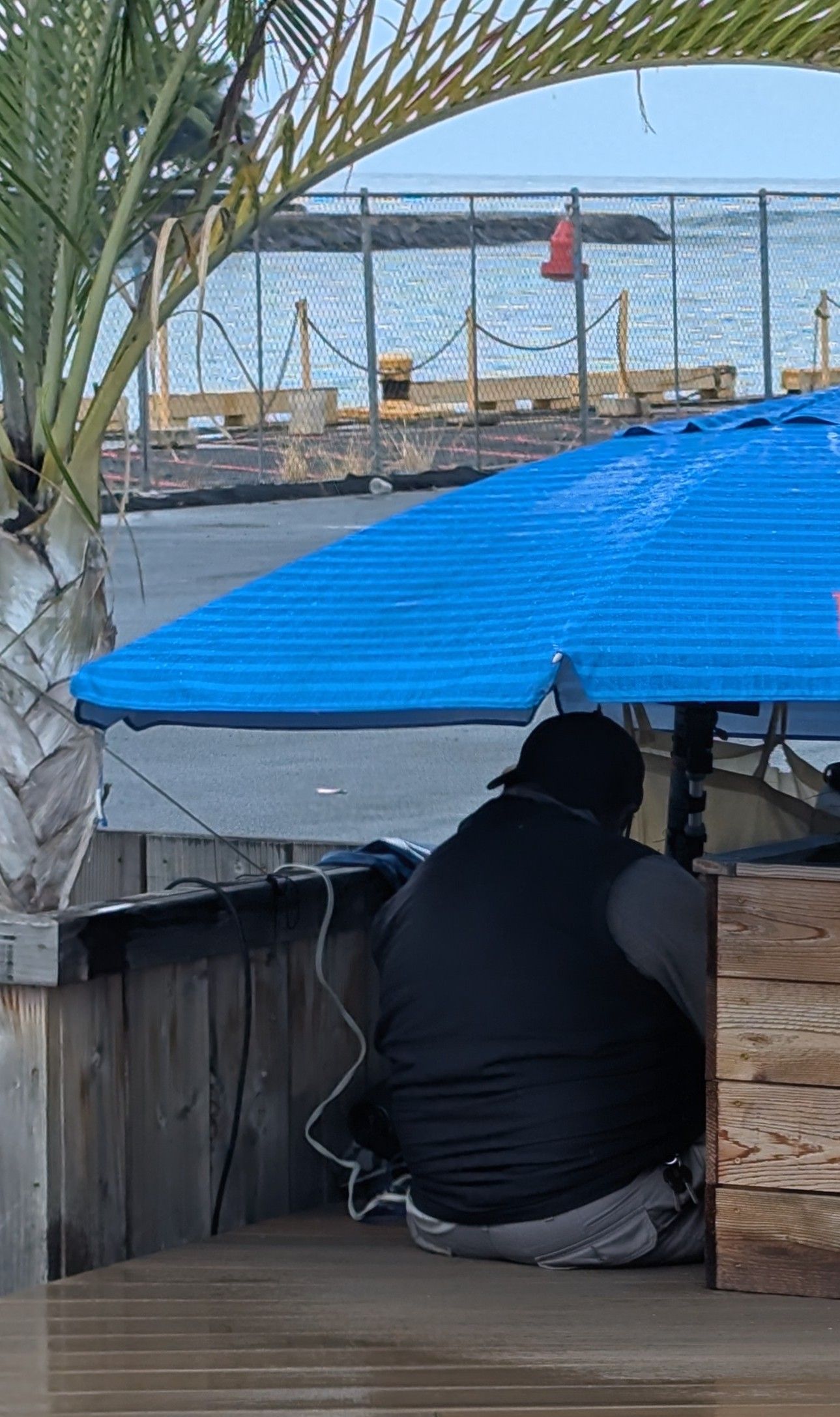
Homelessness is an indicator of an unhealthy economy. Hawaii must import a lot of what it needs and has few exports. But massive wealth is on every island and wealthy individuals regularly buy up land on the islands and occasionally a whole islands. Expensive hotels host one of the main incomes, tourism. Every box store is represented, every chain store is here, wealth is everywhere, but it is not shared. Why care about a homeless person more than a pet animal? Because the stresses and anxiety of fellow humans in jeopardy don't go unnoticed. We can pass by but we cannot be unaffected.
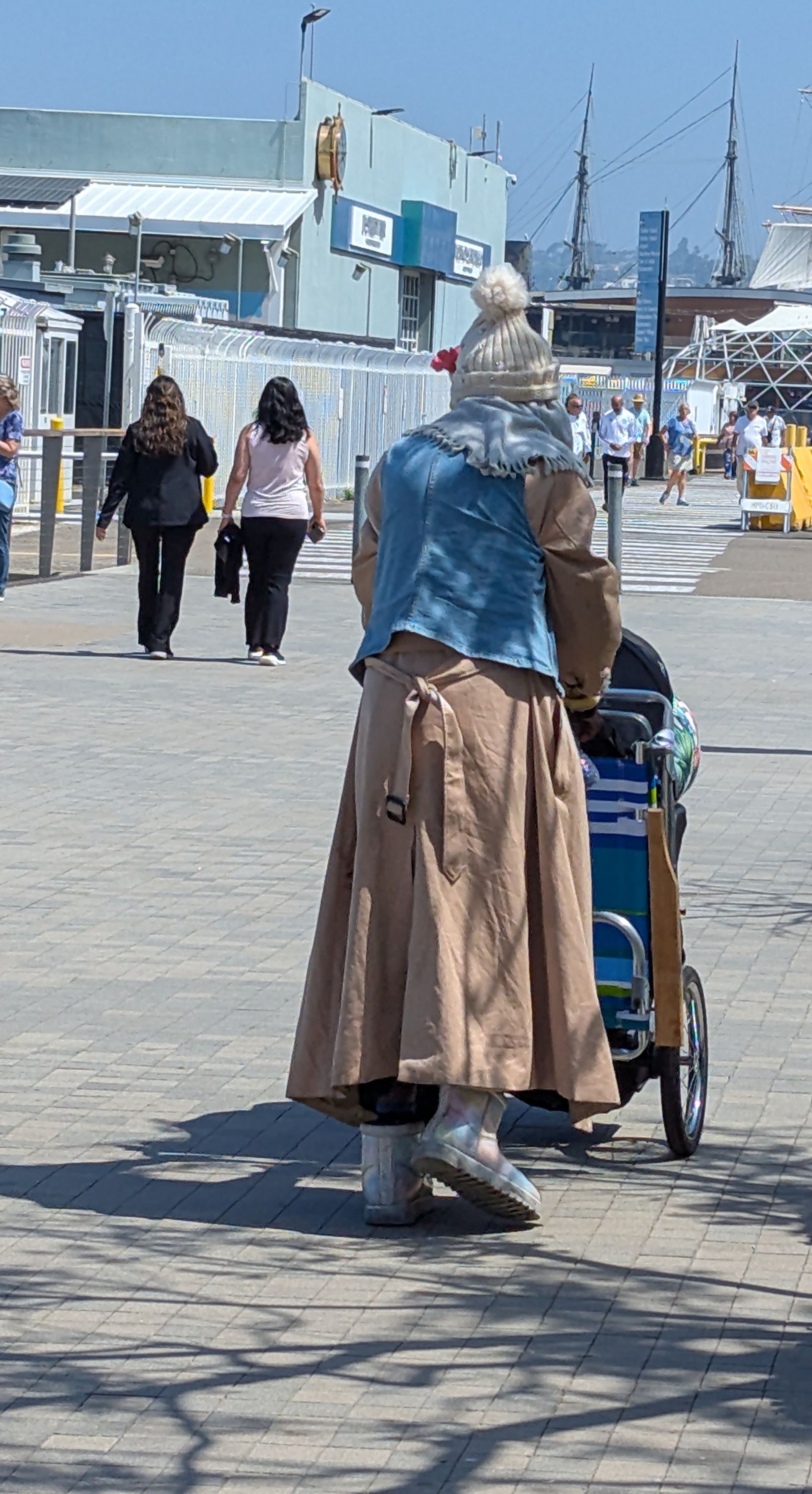
An emotional response is triggered, like the gut flash of seeing someone stabbed. We absorb this and walk on; then it happens again and again. We think we are not sustaining damage. But we are. We are slowly being dehumanized. Prepared to accept more indignities suffered by our fellows, prepared for war; the worst crime we commit against each other. Economic inequality has become an equivalent, a silent war against ourselves.
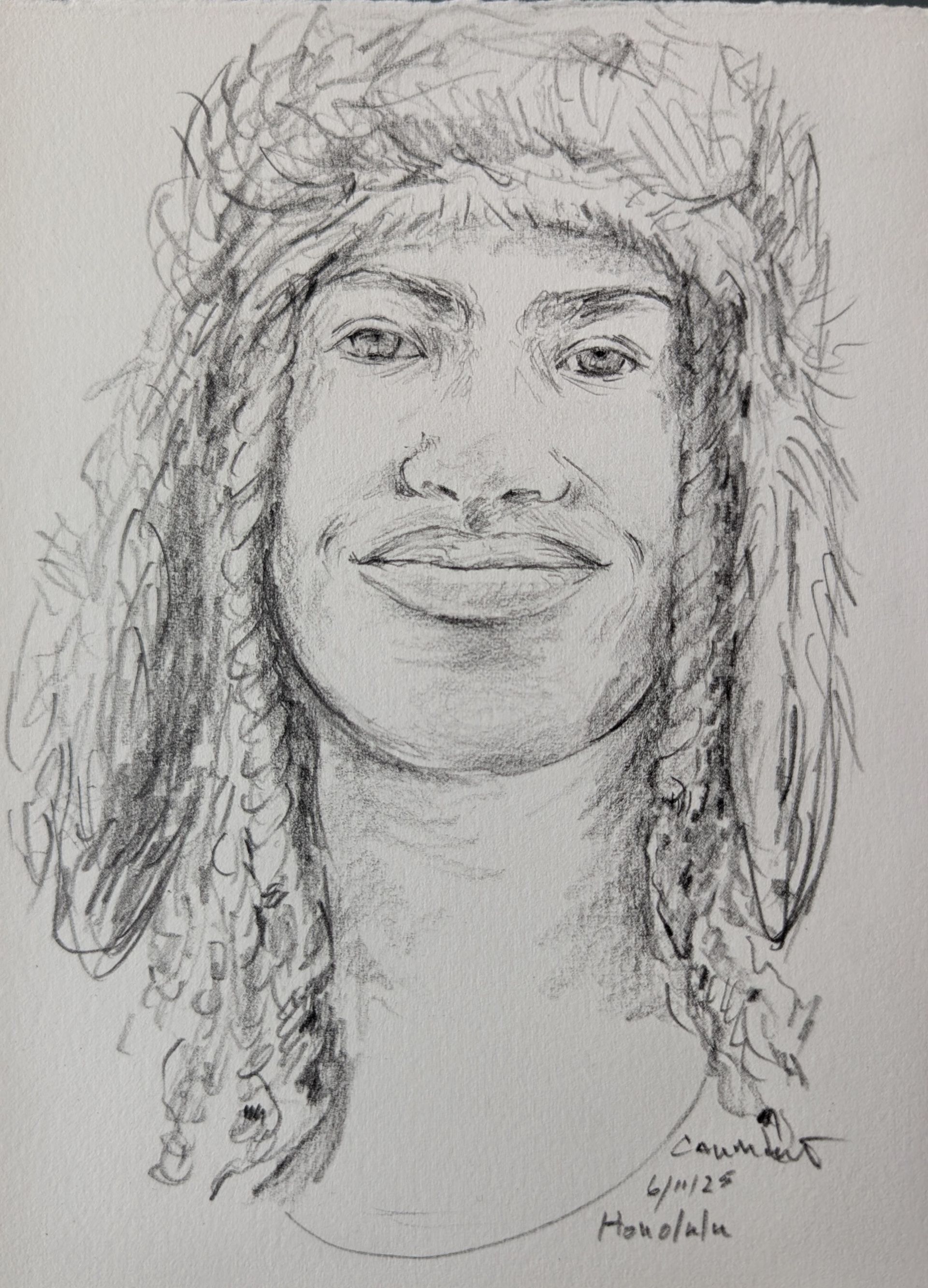
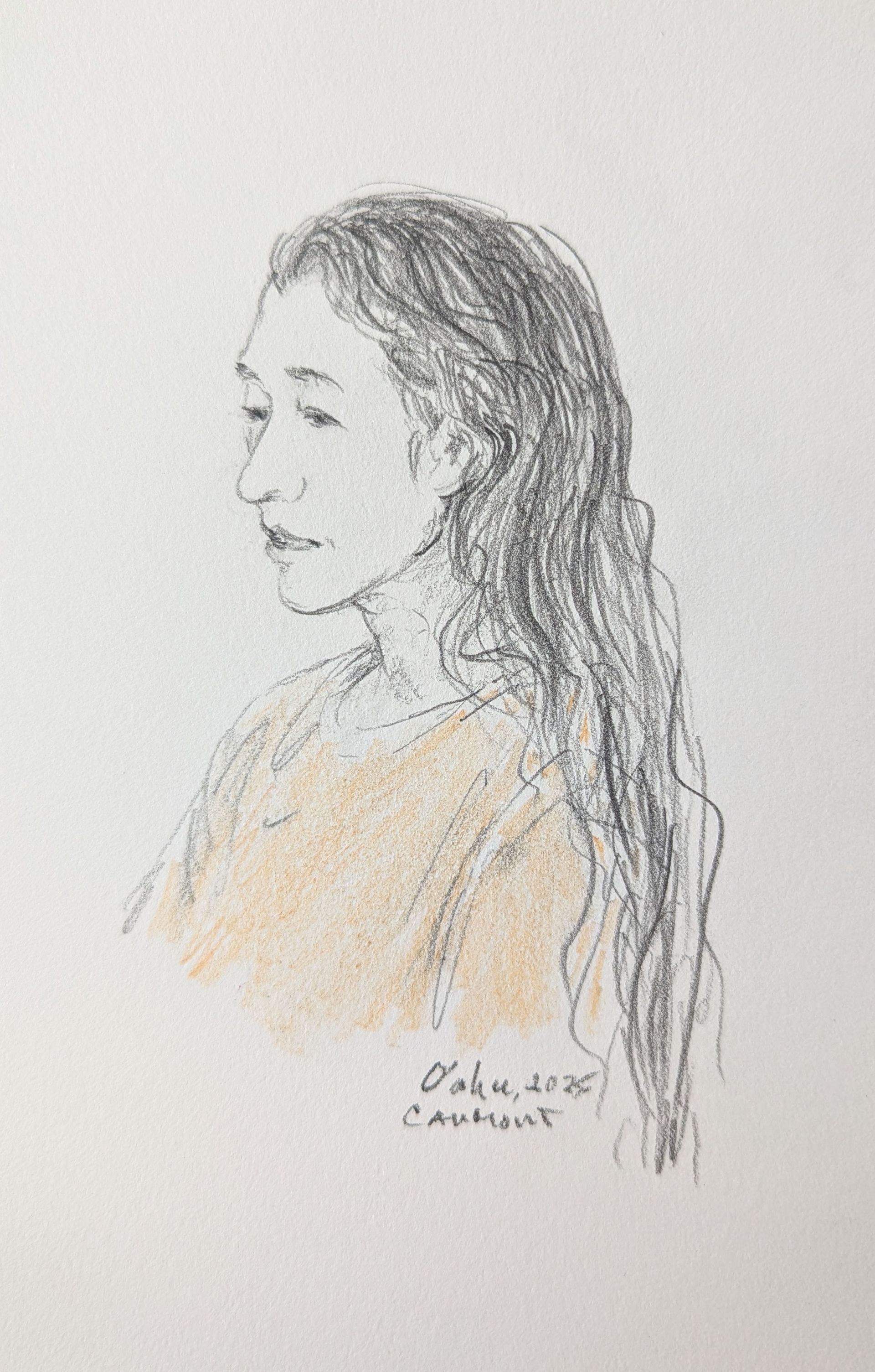
There is recovery here in Hawaii. The tenacity of the surviving native Hawaiians has resulted in their population dramatically increasing in recent years. A large proportion of those being born today are part Hawaiian. As a result the Hawaiian census was modified to allow participants to claim more than one racial identity. Since then the number of people claiming Hawaiian identity has increased. The blending of native people and immigrants has created a huge experiment in multiracial harmony on these islands. The ratio of native input into the philosophy and lifestyles of the people may eventually turn Hawaii into a more compassionate economy.
Plants, animals and insects have immigrated too, over a span of millions of years colonizing the Hawaiian Islands. According to one scientific account, it happened at a rate of one insect every 68,000 years, one plant every 98,000 years and one bird every one million years. They had no competitors or predators. They evolved. They became nettleless nettles, mintless mint, stinkless stink bugs and flightless birds. Human immigration is now in progress and changing the population of Hawaii. Can it produce warless humans?
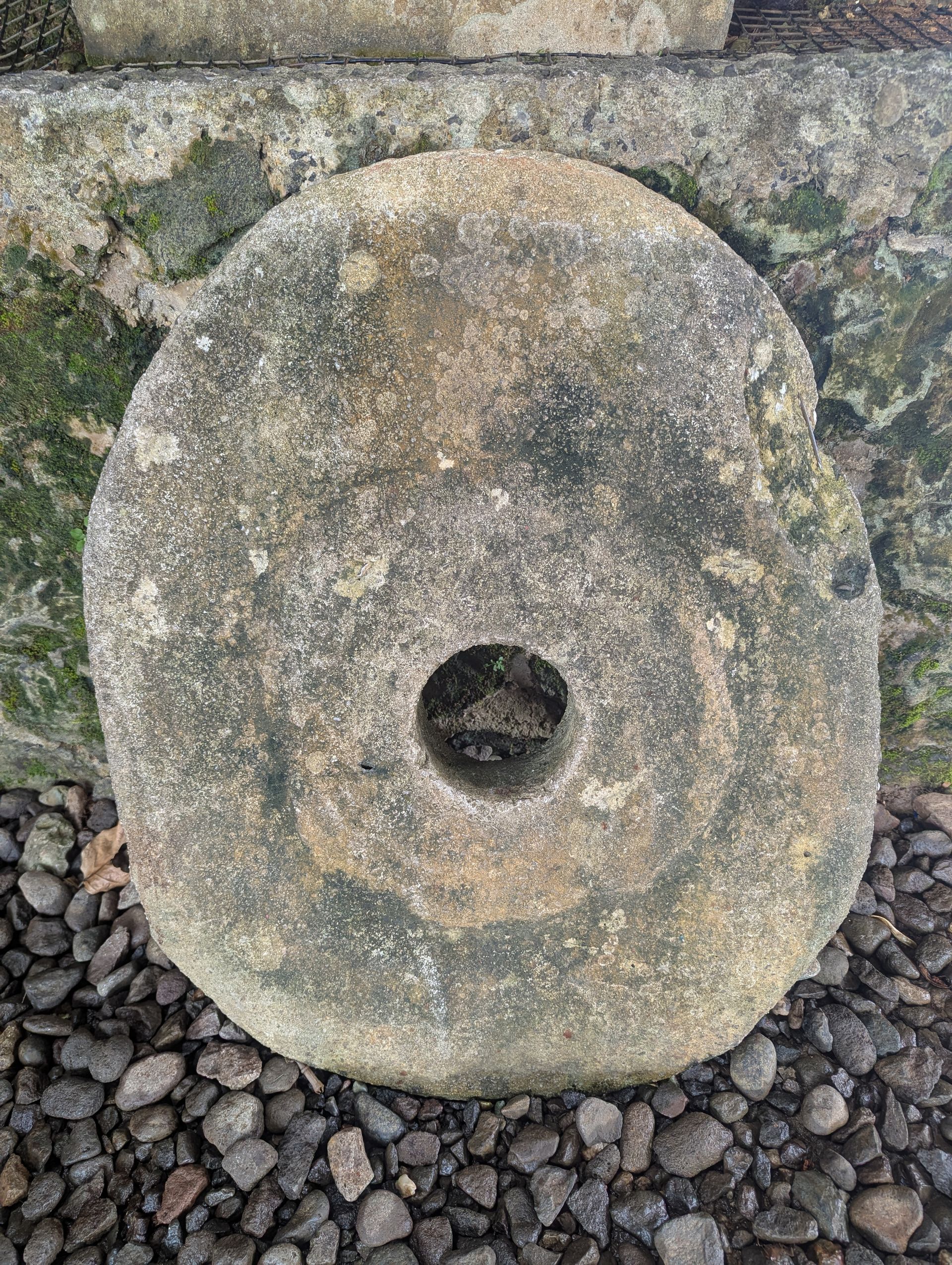
Once upon a time, “friends met at Kou”. Kou was the ancient name of Honolulu Harbor. Chiefs and friends met there to play games and people came from all over to watch. Konane was their favorite game. It has been compared to checkers because jumping is used for captures, but there the similarity ends. The more you play, deeper strategies are revealed. It is played on a flat stone tablet that has many shallow depressions for black and white pieces, made of stone or coral. The one to make the last jump is the winner. Betting is common with rewards as small as a kiss or large as one's life. Chiefs even settled wars and political disputes with Konane. These memories are the living legends of the native people and influence the thinking of the people in the present.
There have been high levels of immigration from the 1800’s on. Captain Cook arrived in 1778 and he was later killed during the resistance of the Islanders. After his arrival disease was a major factor in the reduction of the native population. Smallpox, measles, whooping cough, TB, gonorrhea, syphilis, mumps, cholera and leprosy decimated the population due to their lack of immunity to European diseases. These diseases rapidly ran through the population resulting in widespread death. By 1940 the native population had declined by 84 percent. War, famine and disruption of traditional ways also contributed to the decline in population. This is comparable to death rates of recognized genocides.
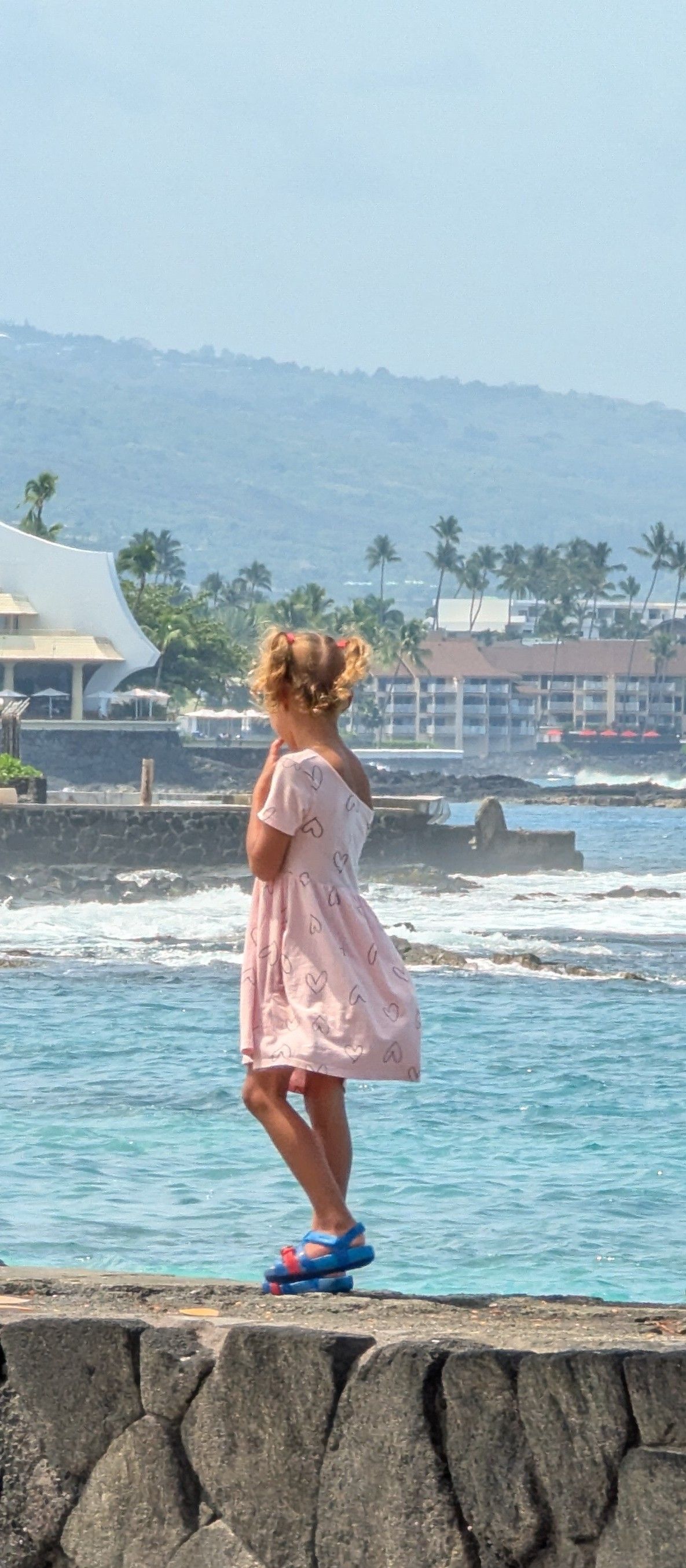
Today huge buildings on the most populated islands obscure the beauty of the mountains and the ocean. Still, even in the most built up cities mature trees are flowering and birds are abundant, giving relief to a casual visitor. Unusual birds peer and sing from the trees and a red headed one with the body of a cardinal lept from branch to branch with its mate. (Turned out it was a red headed cardinal) Here again, immigration has played a role in the flora and fauna since the 1800’s. The only native mammals were the monk seal and the hoary bat. Then the Spanish came and brought their domestic animals, cattle, horses, dogs, cats, goats, chickens, etc. The 32 million year development of the first migration, wind and sea born, carried on the feet of birds and floating logs has been changing with new migrations of animals and plants, arriving by boats and planes. The results are ongoing. Some resisted and some embraced.
We can hope that the resulting animals and plants will be as hardy, wise and creative as the descendants of the native Hawaiians.
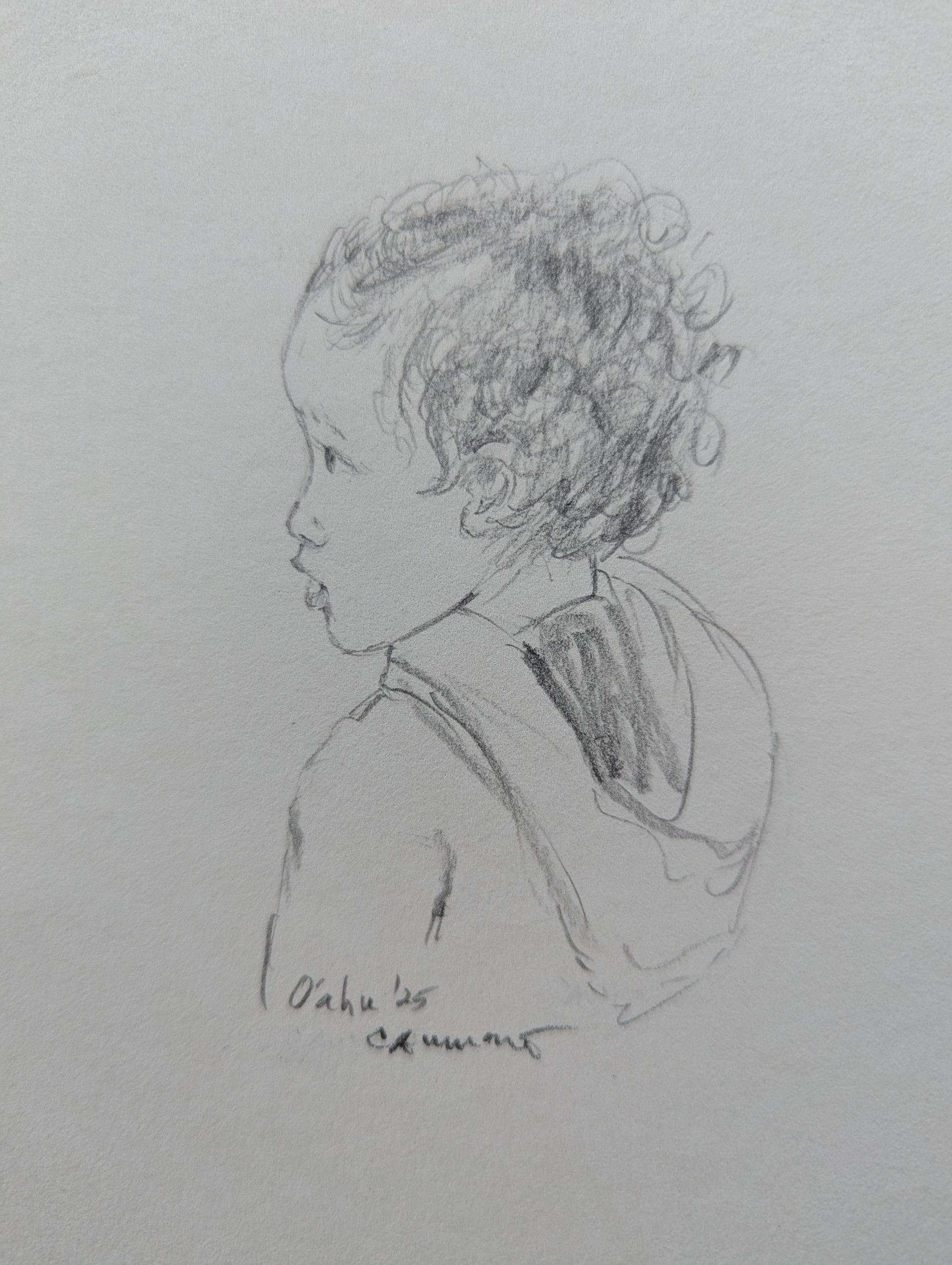
Frantically, she wipes rain from the floor of her plastic nest.
She rises, speaking to the air.
He is slumped in a doorway, backpack by his side,
avoids my eyes.
S. Caumont