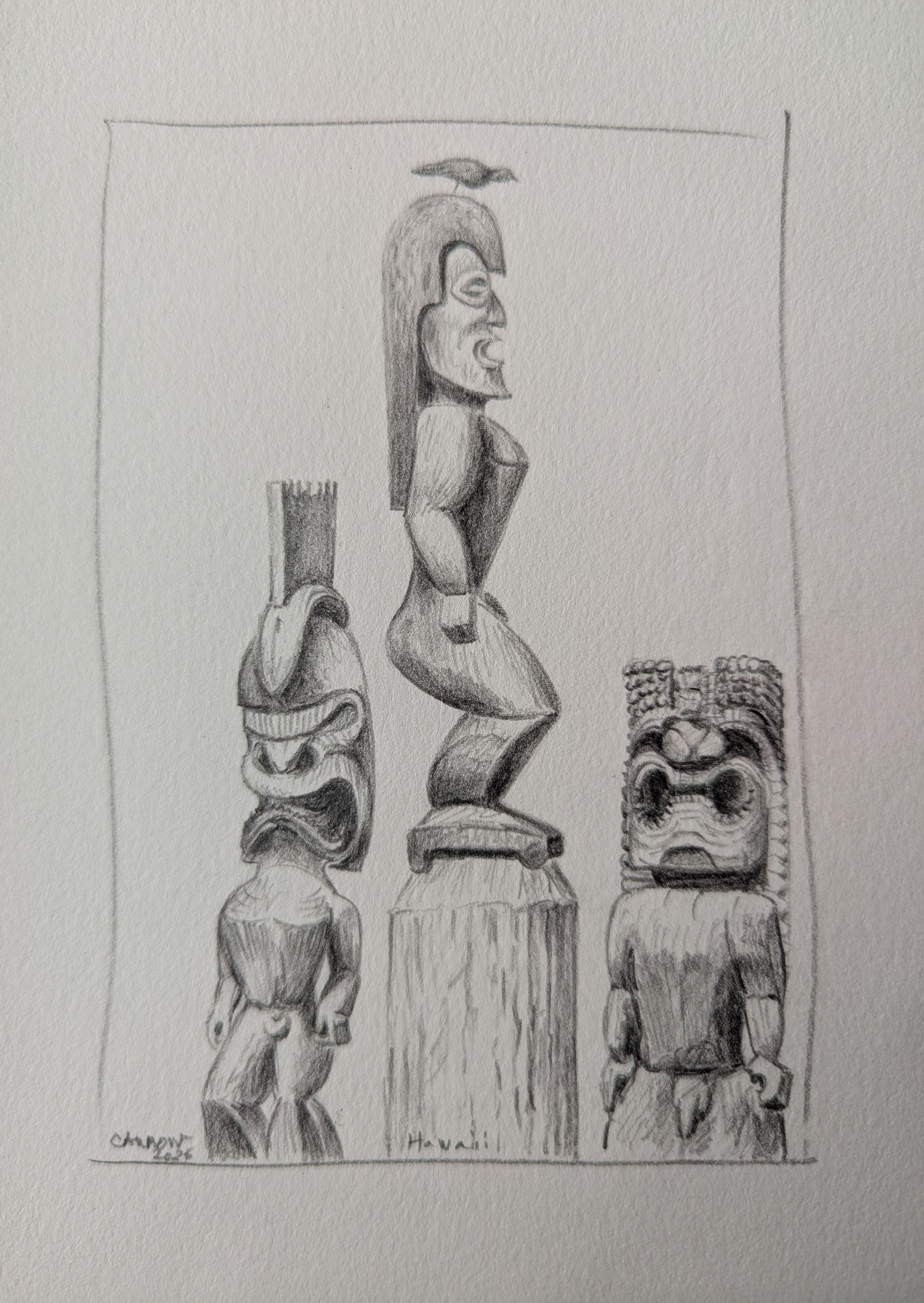
Chapter Six – Hawaii Part 1 (6/25)

June 30, 2025

Hawaii, 6/1/25.


Part 1

The Hawaiian Islands cannot be separated from the legends and beliefs of the original people who came to the islands from Polynesia, around 1,600 years ago. Even in the tourist areas, you feel the insistence that these not be forgotten. The descendants of the native Hawaiians are a tough and resilient people who, like the descendants of the Seminole Indian tribes in Florida or other survivors of genocide or religious and economic oppression, they not only survive but thrive.

     Their legends are not just stories. They are a deep understanding of our place in Nature. They have survived more than a thousand years because they give comfort and understanding but also warnings. They even resisted the pressures of other cultures and religions. They simmer beneath the surface of church ritual and modern government.

     Why? Because they speak about perspective, and reality. 

     Peli, goddess of volcanoes, is more powerful than you are, get out of her way; Mamala (shark woman) is a shape shifter or “kapua”, you must always be alert to the unpredictable ways of the sea. Papa (the female goddess) rescues her male consort, Wakea, because she is intuitive and can vanish them both into a breadfruit tree. Don't underestimate the powers of women. Puniaki, son in law of chief Kou, has a magic fishing hook. He can fill a canoe with fish anytime he wants. The fish actually jumped into his canoe! No normal fisherman has a magic hook. Keep your expectations reasonable, you will be happier that way. 

     Underlying these and other legends is the thread of respect for Nature.

The native Hawaiians came to the conclusion that whatever they did to encourage the health of the natural environment was beneficial to them and their survival. 

“E ola no mai ka uka a ke Kai!”

Let there be life from the uplands to the sea!
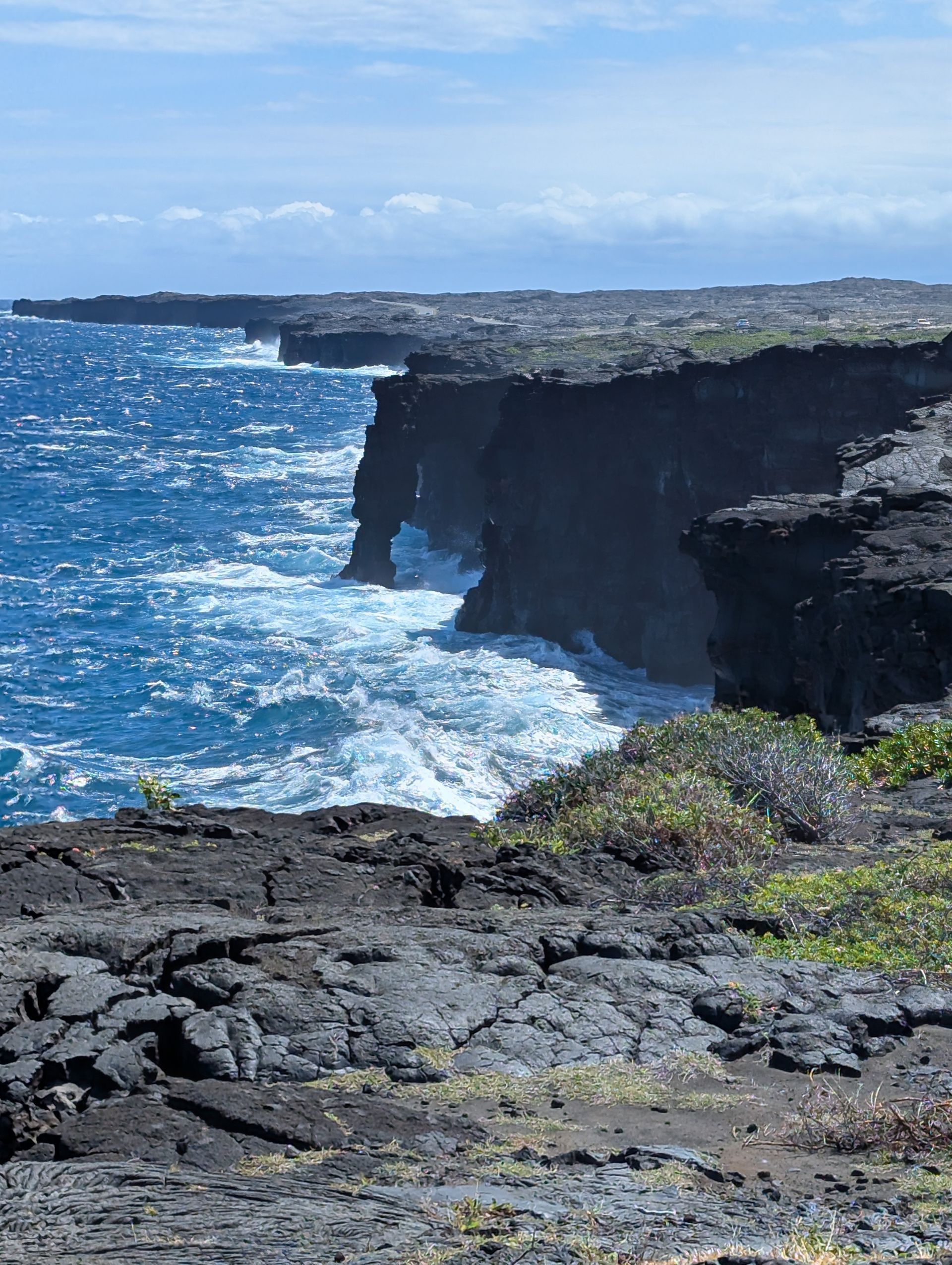
A cliff overlooking the ocean with waves crashing against it

     They developed sophisticated ways of apportioning, utilizing and caring for natural resources. The islands were divided into “moku”(districts) and again into “ahupua’a”, (areas that ran from the mountains to the ocean.) Each ahupua’a had many of the resources needed to sustain a community; fresh water, fishing, fertile land and materials for making shelter. This partitioning organized the way people lived, worked and shared resources. The “pono”,(well-being of the people), was the foremost concern of the chief.

     Honolulu Harbor was once a complex ecosystem that sustained huge native populations, (daily gathering was done for edible creatures and plants in the shallows, fish were abundant near the shores) since the 1800’s these places have been destroyed with dredging and filling. Natural wealth steadily declined as other kinds of wealth increased through commerce. The market/profit cycle became dominant and its good side and dark side that we live with began developing.
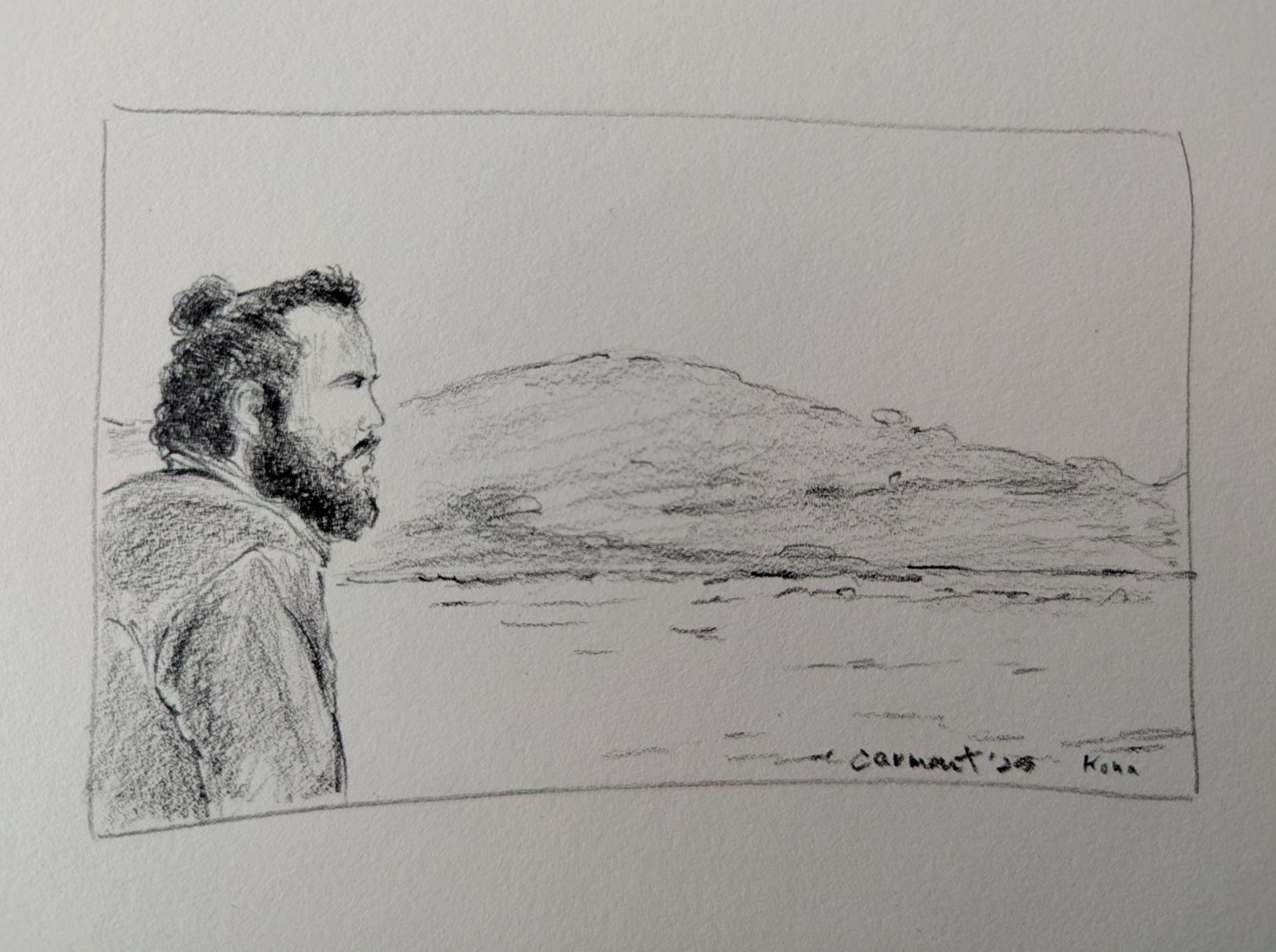
A black and white drawing of a man with a beard

     What is Hawaii today? What has Hawaii become? We take a walk to a Walmart for supplies.Turns out it is several miles from the port. Lots of opportunity to observe. It is immediately clear that native Hawaiians have not been eliminated from the Islands. And the Hawaiian language is very much alive. Everywhere you go you hear it spoken. The remarkable variety of nationalities on the islands is a modern testimony to humanity's ability to get along. Japanese, Korean, Spanish, African, European, (just to name a few), form a huge “melting pot”.   

But there is something wrong, something not balanced. 

     Hawaii is the most expensive state in the US to live, and has the most unequal economy. The evidence of this is everywhere. Homeless people of all ages, men and women finding shelter in doorways of abandoned buildings and makeshift tents of plastic and blankets. A fine mist has begun and it becomes rain as we walk. The unsheltered try to keep their belongings dry, under tarps or in covered shopping carts, which they stand next to, miserably. An old woman who has made a tent with plastic over an umbrella and blankets for the floor, also covered with plastic, frantically she wipes water away with her hands from her sleeping enclosure. She wanders distressed around her nest, unable to keep the rain from soaking her belongings. We passed several dozen people living rough in Oahu in the two mile walk to Walmart. These were the most vulnerable and least able to find better shelter. They were just the tip of a much larger ‘iceberg’ of homeless people in Hawaii as we found when we visited the other islands.
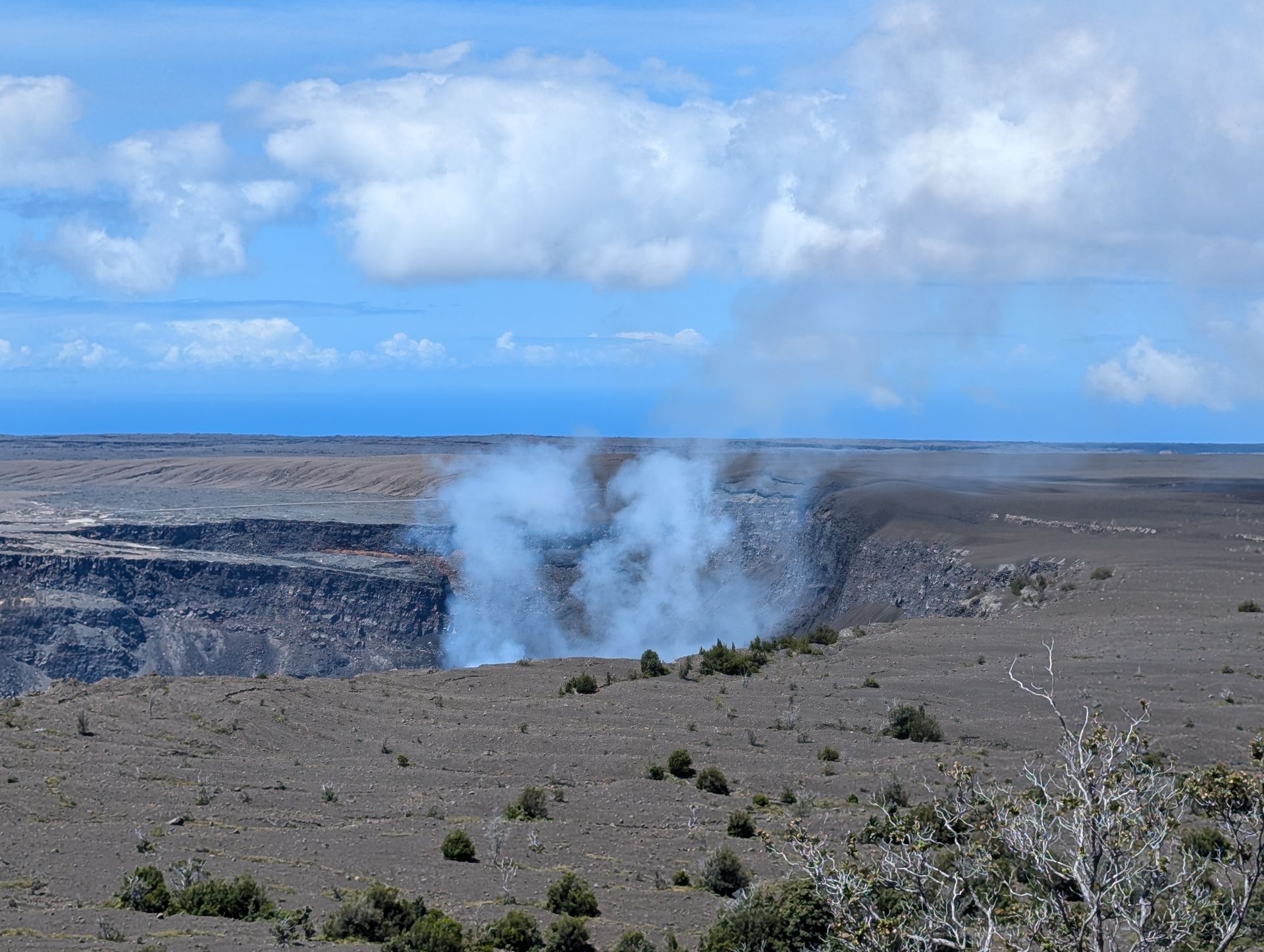
A view of a volcano with smoke coming out of it.
February 11, 2026
We have several sea days before we arrive again in Cairns, Australia. This means we will not see land for a while. The rhythm of sea days is very different from shore days. There are a variety of activities you can participate in. Almost anything you can imagine is being invented as a result of the variety of people onboard, some of whom want to duplicate the entertainments they enjoyed where they used to live.  This is a residential cruise ship so a lot of the passengers are onboard long-term, meaning many months or years or the rest of their lives. The longest stay, if you “buy” your cabin, is 15 years. When Jeff and I bought our cabin that was all that was offered. Now you can buy a cabin for 5 years. Each circumnavigation takes about three and one half years. We are going to try to stay onboard for at least one circumnavigation. Before the sea days began, we visited two of the islands of Tonga. At the first stop, people scuba dived over a reef right next to our ship
January 27, 2026
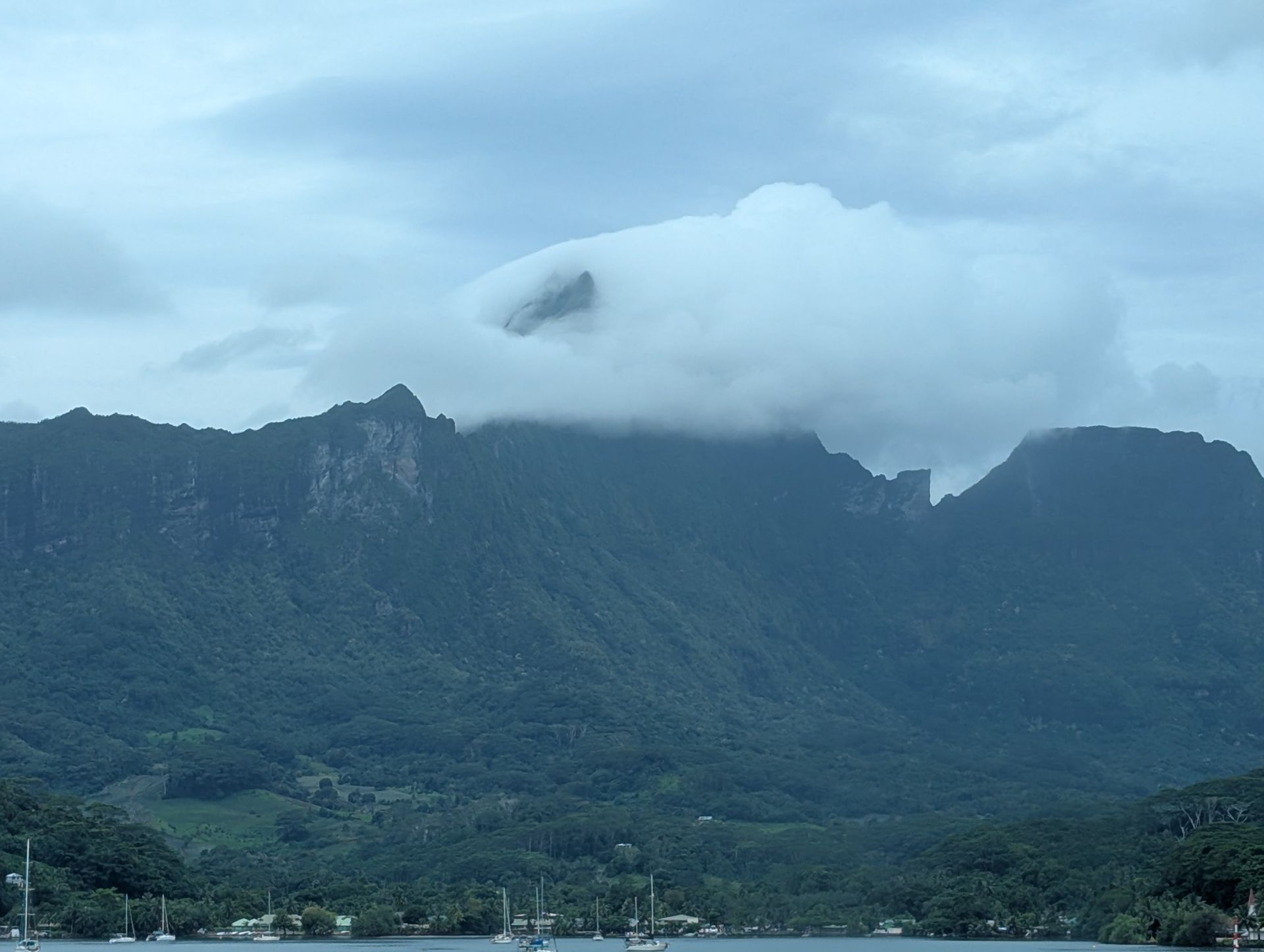
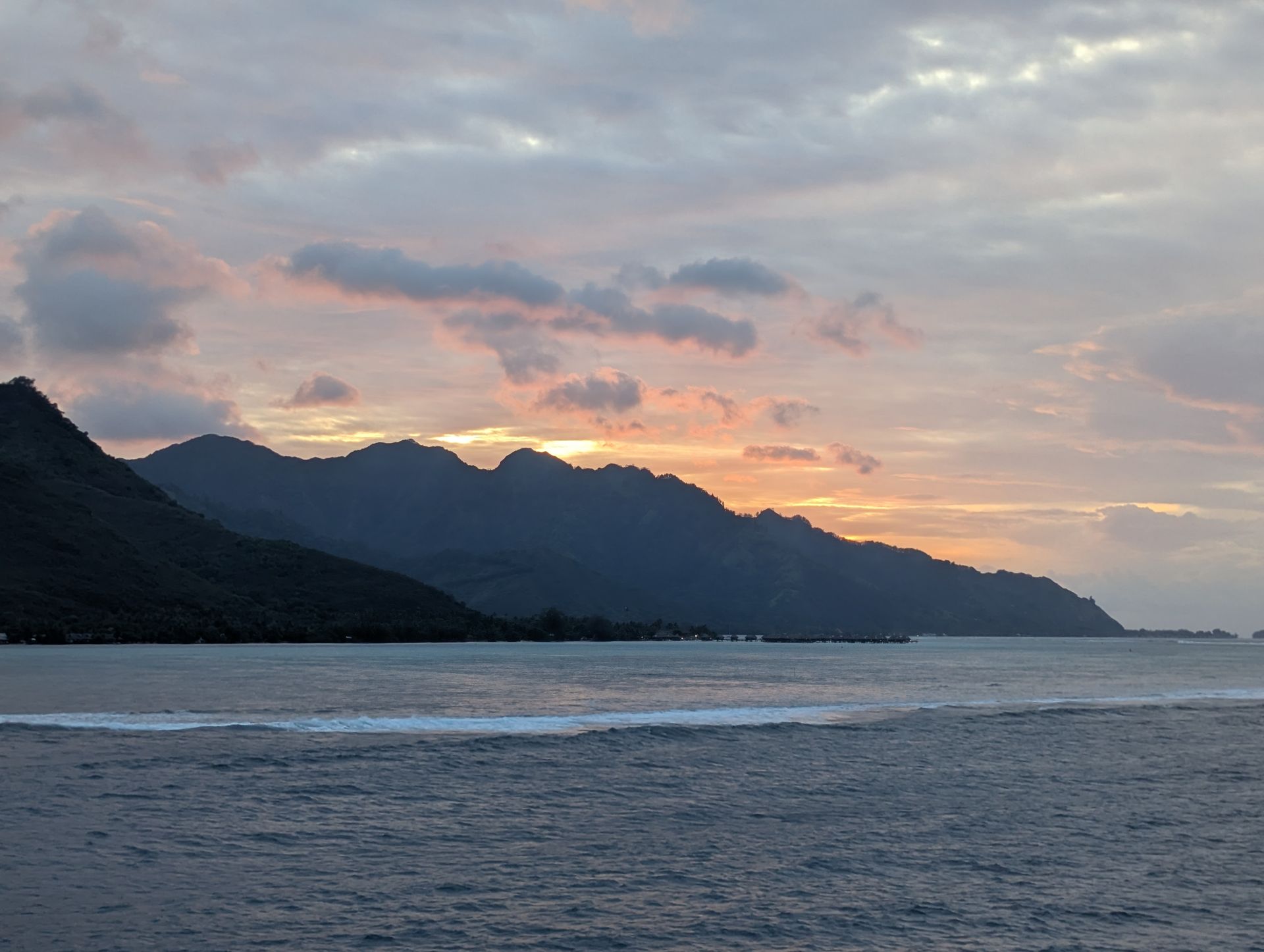
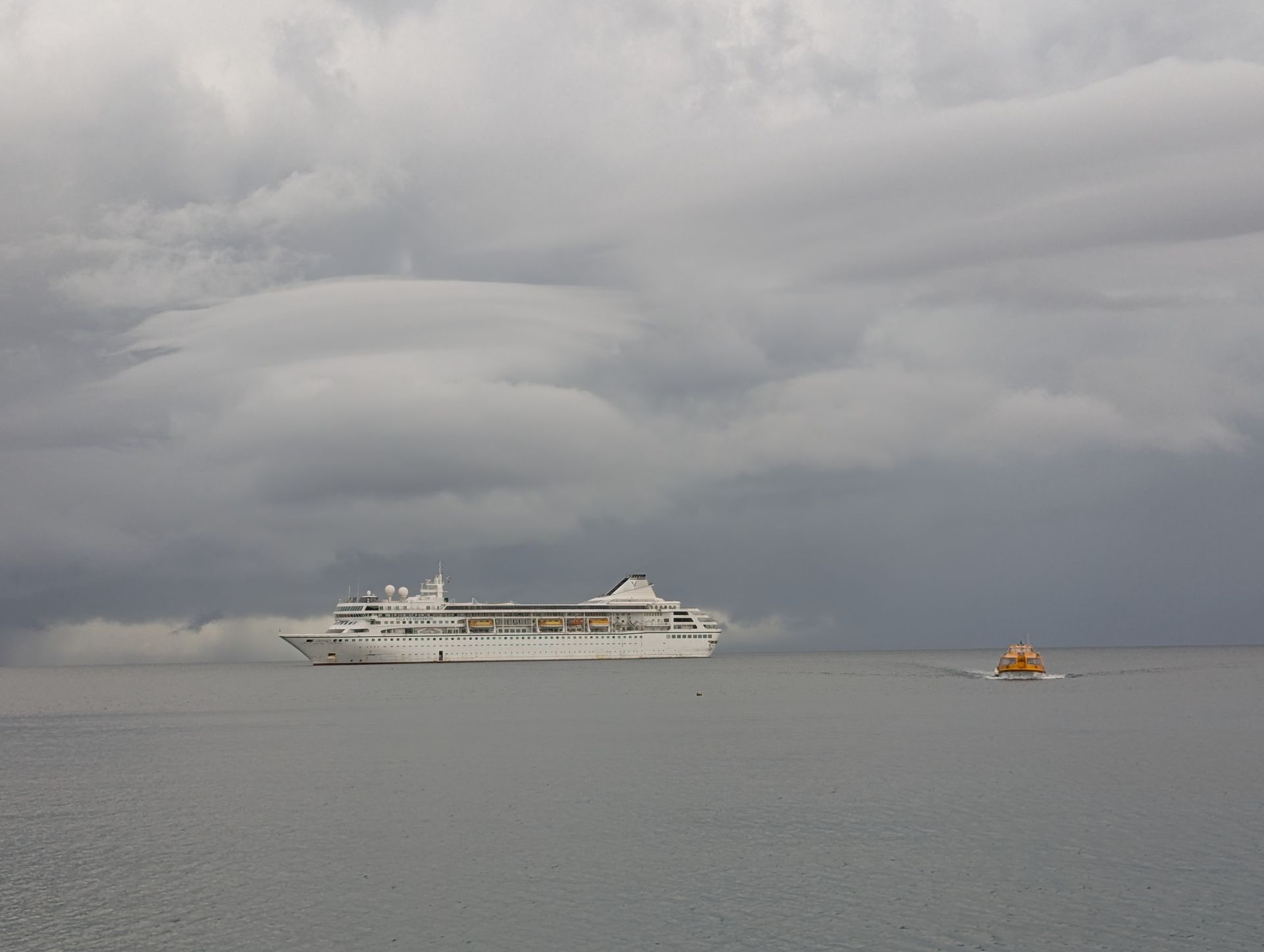
The float of cloud drifts and encircles a mountain leaving just the very top, a pointed witches cap poking through. These islands have the most magnificent mountains. They brood around the harbors, snagging the clouds that pass. No doubt they have inspired fantastic stories. The cloud shadows create chameleon-like changes on mountain surfaces, making them even more expressive than oceans that amuse themselves by hiding what they contain; mountains are hysterical by contrast. Always looking for attention. “Look. Look again!, what about this?” They may hold a pose for a while seeming docile, then you look up and they have disappeared. White mist covers just a grey suggestion, then suddenly black silhouettes like broken giant teeth rise defiantly. So much animation, millions of years after volcanic upheavals shook these mountains from the sea depths.
January 13, 2026
Medical emergencies all have a similar feeling. Intensity, urgency, a changed perception of time; only events and human encounters progress, time seems warped, unimportant. After several sleepless nights because Jeff was having difficulty peeing and he was beginning to have pain, he went to the onboard clinic to get catheterized. There were three attempts with successively larger catheters. This was painful and distressing for him, though he kept joking about it, “this is not good sex!” The attempts were unsuccessful. He was given pain killers and an ambulance met us at the dock for a 10 minute ambulance ride to the hospital. Jeff is an 80 year old man with an enlarged prostate so he normally has trouble peeing. But this time it stopped altogether and there was blood. We are waiting at the hospital for the urologist. Nurses and a general practitioner have spoken to us in English. Very kind, polite, casual and patient. The urologist arrives and talks with Jeff. He is going to get the operating room ready and put Jeff out. Then he can do the operation. We wait in our curtained off cubicle Jeff is lying on a bed. A woman who came with her husband, who has high blood pressure, is behind the curtain to the left of us. He had collapsed. She is reciting the Lord's Prayer and Hail Marys over and over in an emotional whisper. She is crying. A young man is in the cubicle to our right. He seems to have broken his arm. It is all wrapped up in white gauze. Earlier a man had been stung by something and ointment was applied. A pregnant woman has come in. This is a modest hospital, very basic, two floors. They have what they need. A few flies buzz lazily around, but most are killed by the electric device on the wall. A very slight smell of urine is in the air. We arrived here about 8:30. It is now 2:00. Jeff has had an ultrasound, blood pressure checks and an EKG. Now he is in a wheelchair waiting for the nurse to take him to an operating room. The waiting room has about 10 people waiting. About 50 chairs in all. Not terribly busy for a Saturday. Light and darker coffee colored skin, attractive, rounded features and large expressive eyes set apart the native population. They are only a little curious about us. There is no rushing here.
December 29, 2025
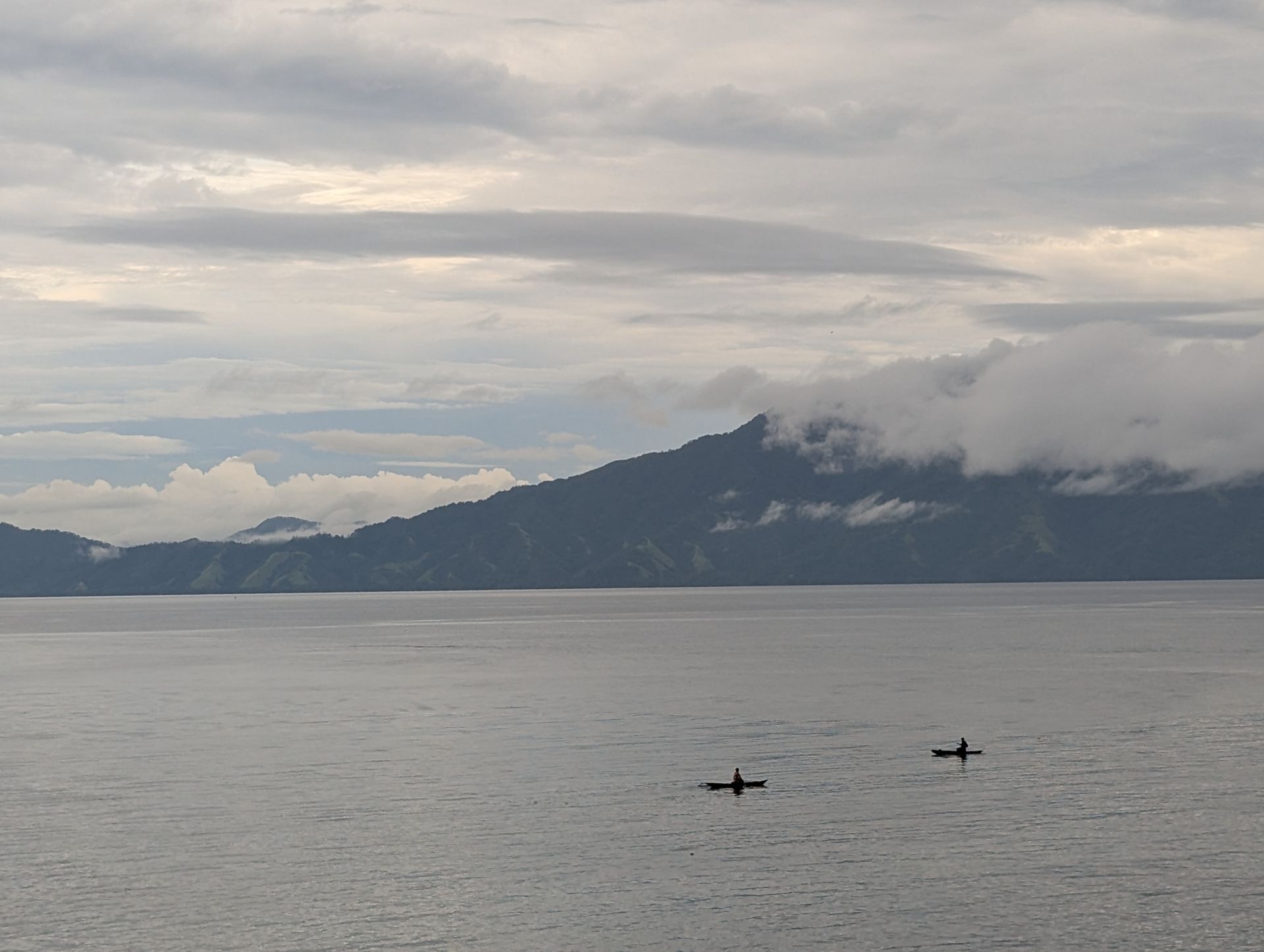
Papua, New Guinea.
December 18, 2025
City of Koror, the rock islands
December 16, 2025
Bitung, Sorong, Ternate
December 11, 2025
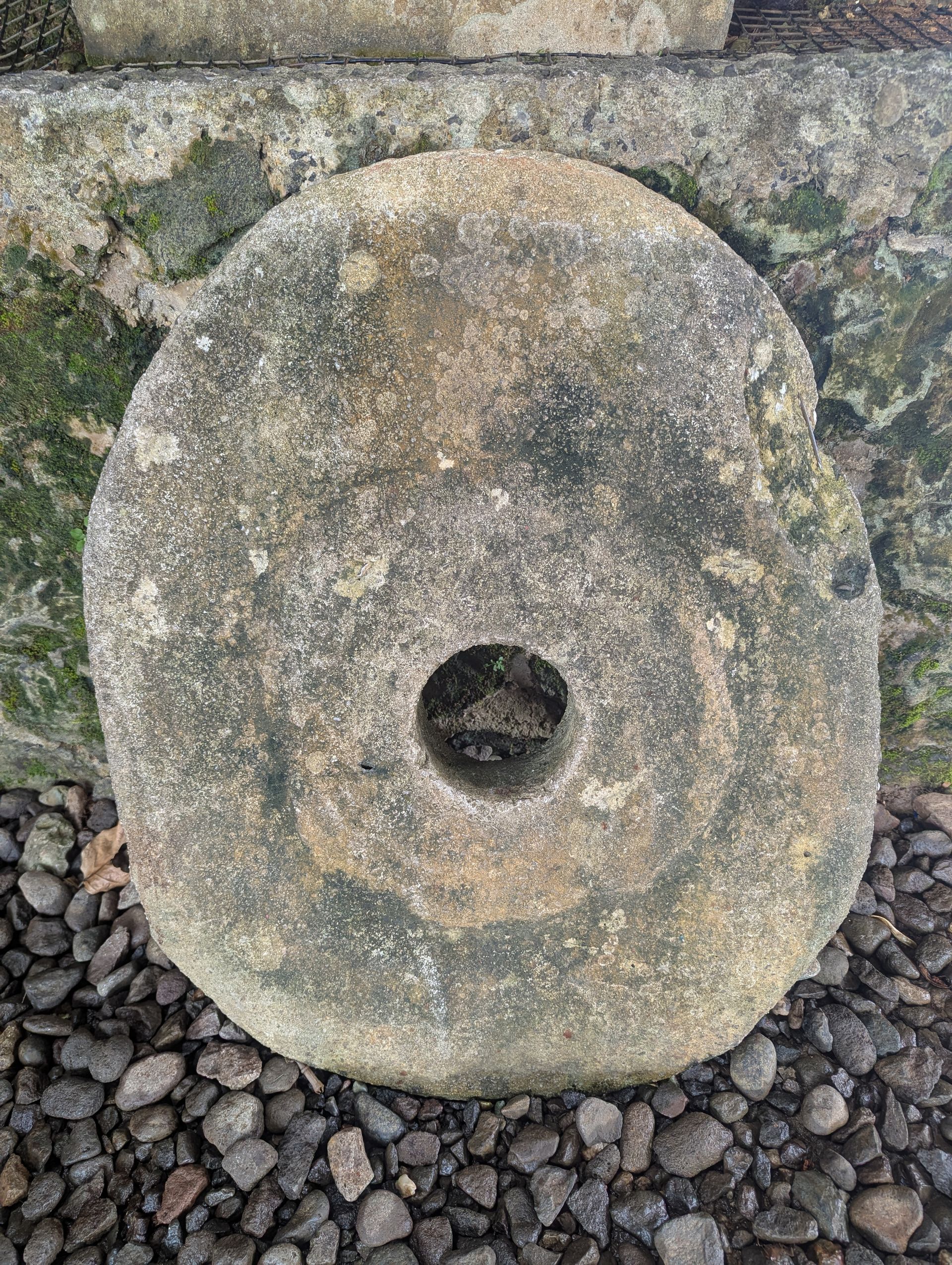
The value of condensed human meaning. Rai Stones.
November 24, 2025
Boracay Island
October 20, 2025
Philippines: Manila
October 16, 2025
Taiwan September, 2025
More Posts