Sydney Australia to New Zealand

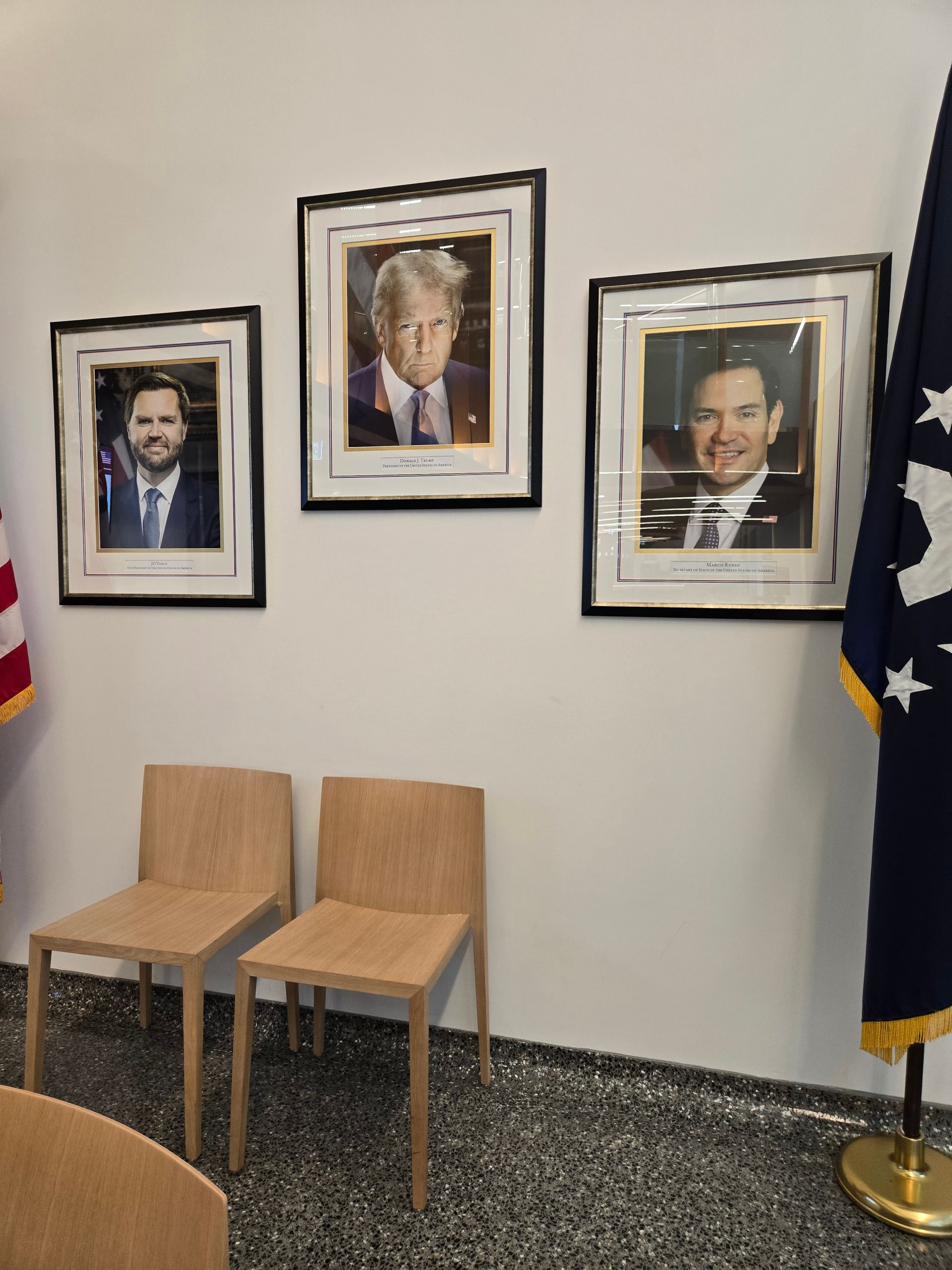
The most important thing we have to do, now that we have re boarded our ship in downtown Sydney, is to increase the number of pages in our passports. Most countries will stamp a whole page and sometimes two. Our passports, though new, only had twenty eight pages. This will not be enough to get us around the world! So we made an appointment with the US Embassy, along with 50 other passengers, to address this issue by purchasing larger passport books which have 52 pages. The Embassy was new and modern, the employees good natured and efficient, considering that we descended on them all at once. We conducted our business in an orderly manner under the watchful eyes of the US President, Vice President and Secretary of State, whose framed photographs dominated the far wall.
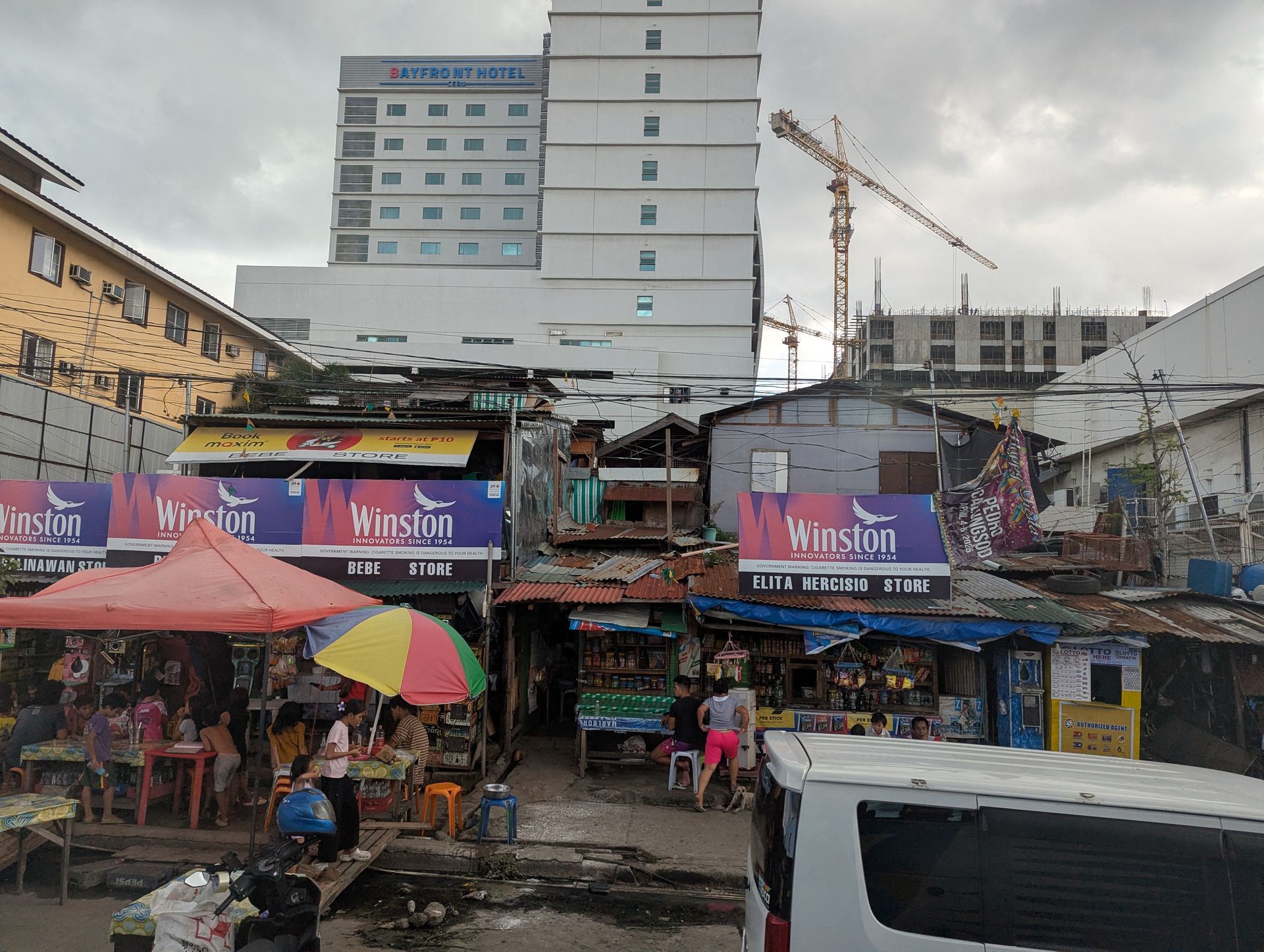
Sydney is a Big City. All Big Cities are alike. It is the smaller more rural cities that have unique character. Big city people are there to make money and they put up with, or don't notice, the tall buildings that block the sky, the noise of vehicles, the smell of exhaust, the overabundance of expensive shops and restaurants, the aggressive pace, meals on the go and the scarcity of privacy. Even the presence of excellent performance venues and museums do not compensate. To go to the Sydney Opera House is expensive and unaffordable for most residents. Museums have entrance fees. These places are visited mostly by the tourists, who have free time and extra cash.
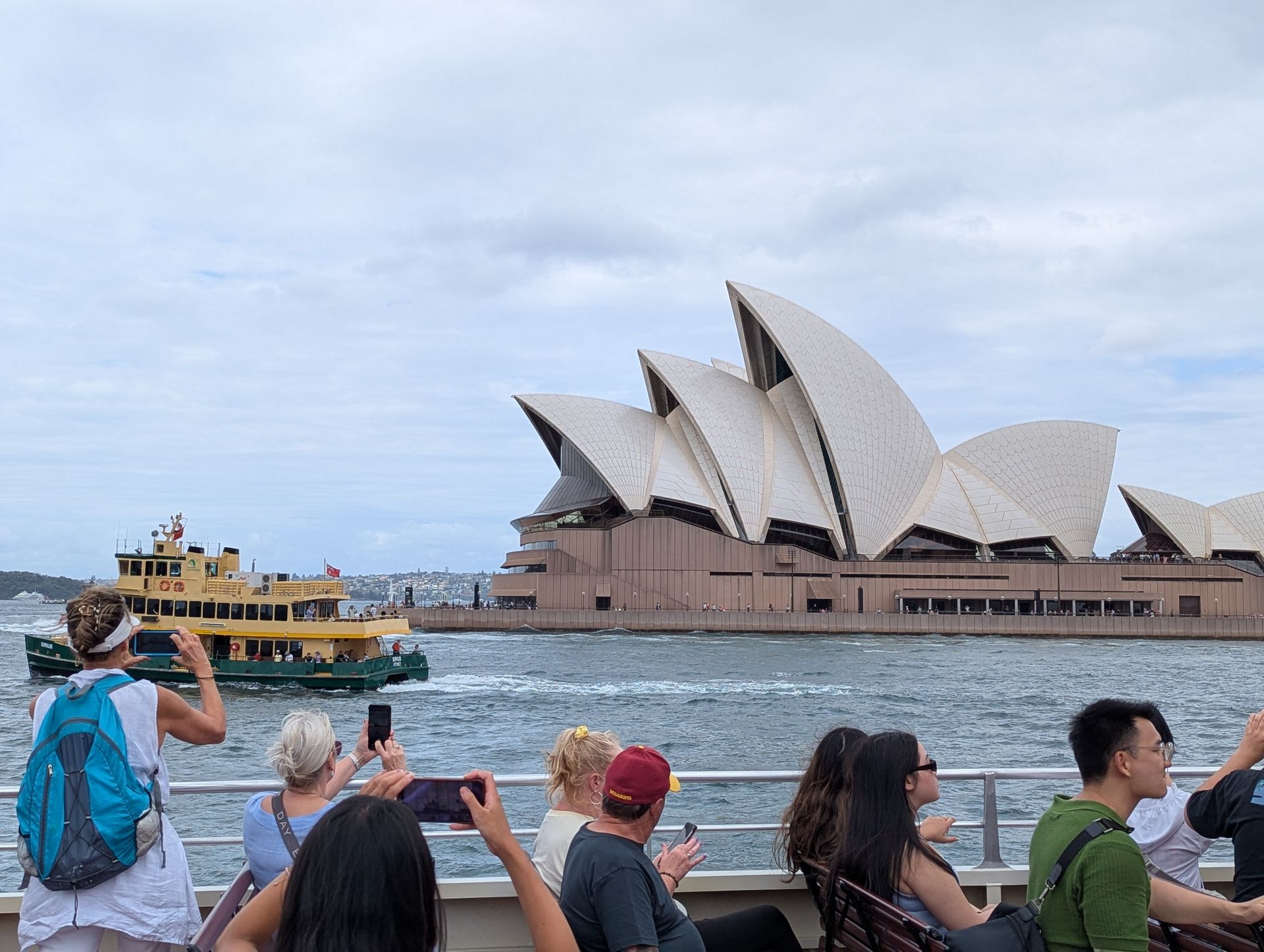
Free time is in short supply in a Big City. Of course there are exceptions but nowadays Big Cities are not like those of the past where you didn't need a trust fund to live there and the foment and the stimulation of hopeful migrants stimulated invention and the arts. Today, there is an emotional haze over everything, that won't allow clarity. The scent of desperation is in the air and a feeling of dulling sameness. People are distracted by shinny stuff and thoughts and some are on display, to no purpose. A visitor yearns for something to be surprised by, something real going on that isn't for sale.
I find that I am observing the behavior of the city birds, as a relief.
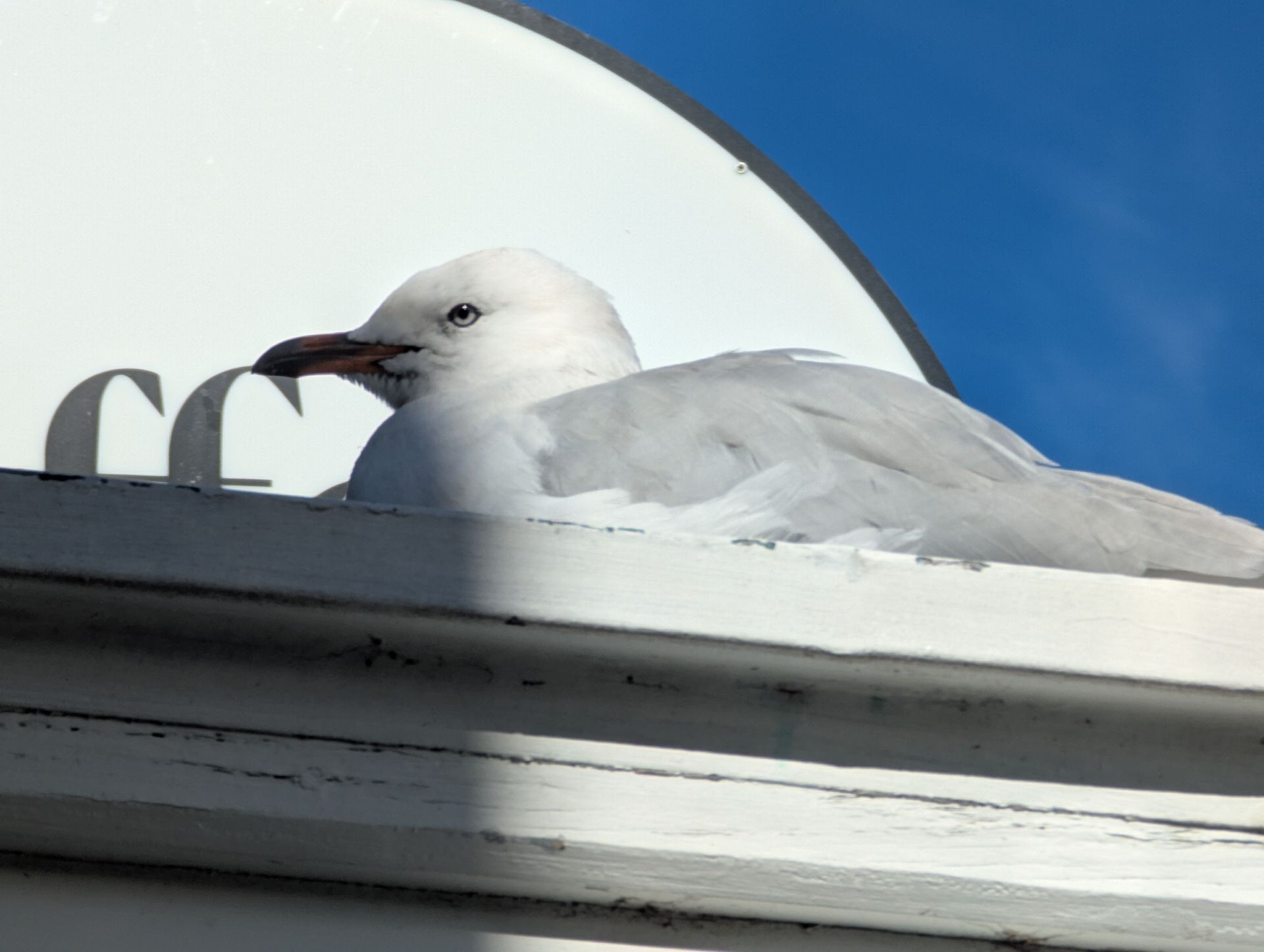
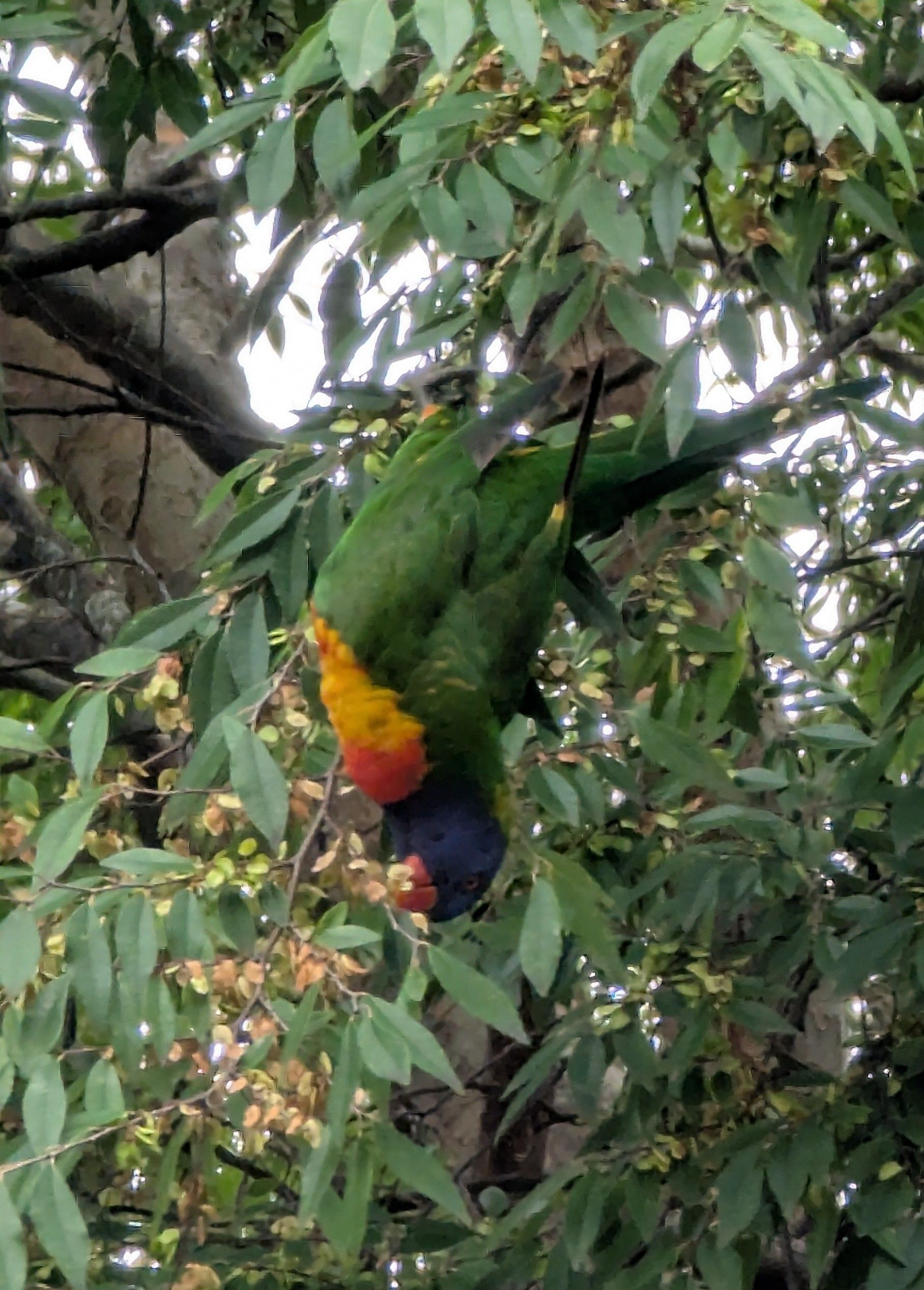
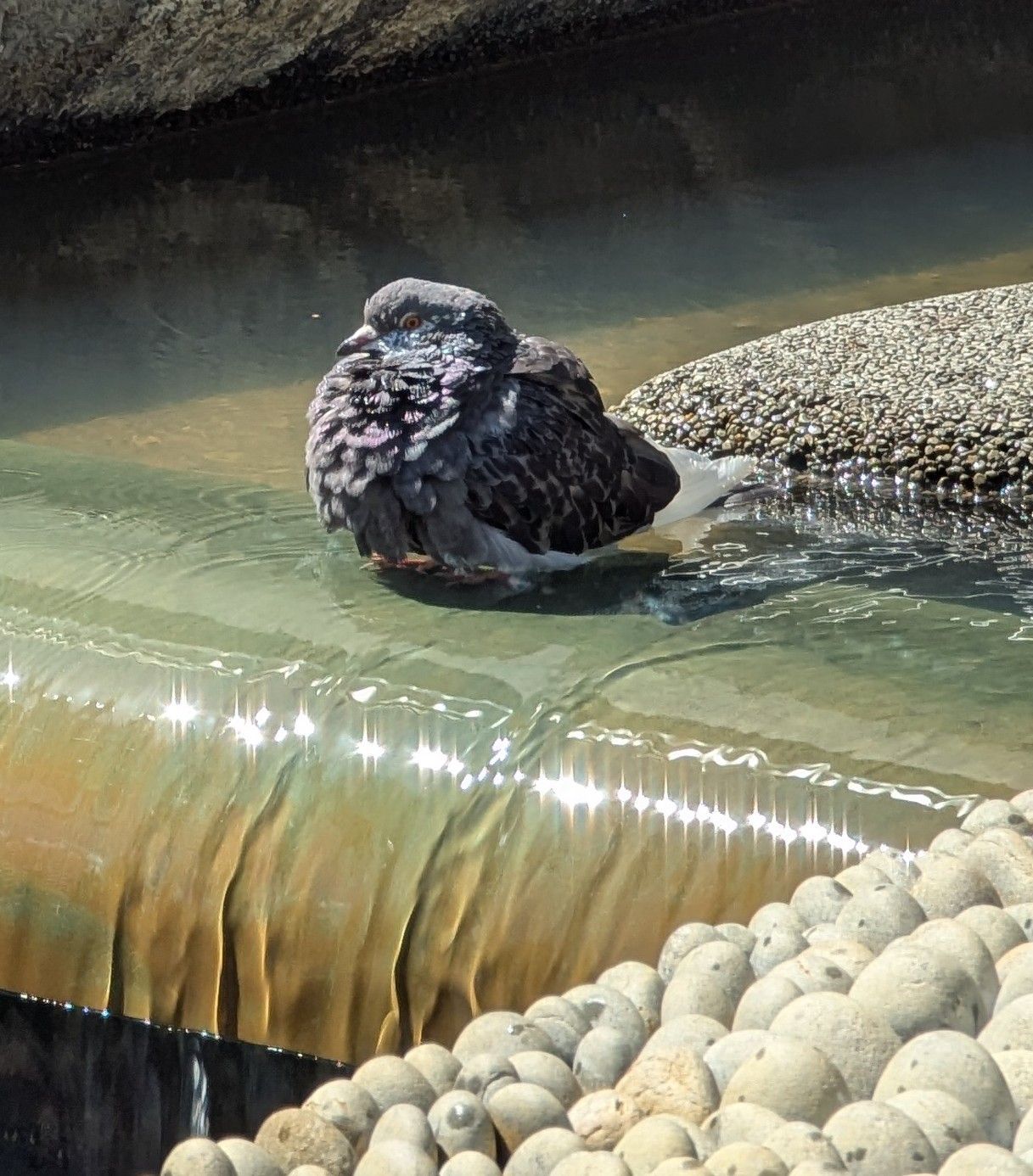
These are mostly sea gulls, sparrows and pidgins. They have adapted to the city knowing that there is always a human, somewhere, eating. Bits of food are dropped from an outdoor meal, or when a knuckle of bread is thrown to them, the sharp-eyed gulls call, then gracefully stoop their perfect curve of flight to scoop them up. The accuracy and beauty of these movements are repeated over and over as more and more birds call out and arrive, their wings overlapping, they argue and peck a crust to bits. Sparrows, modest explorers of the ground; dart and peck, brave and tireless, while peeping encouragement to each other. At the end of the day they gather in a shrub to gossip about the day, then fall asleep. Pidgins are philosophers. They have seen it all, know better than to expect permanence, they coo soothingly, move unhurriedly, fly like they invented it and it's no big deal and they don't have to show off. They do not depend on your generosity, but accept it, forming soft gatherings, sharing unhurriedly, their iridescent feathers sparking in the sun.
World events don't pass unnoticed, even though we are traveling and changing destinations regularly. The news is with us. A few days ago, in the night, Israel and the United States began bombing Iran. This resulted in the death of their religious leader and hundreds of children and adults. The bombing and Iran's response continue as I write. Though we are more than 9,000 miles from Iran the impact of these tragedies wash over us, pressing our common fragility into higher relief. More death and the stresses of oil and food shortages loom.
Our ship leaves tonight for New Zealand, five days at sea. The crossing is not rough and passengers relax into the many ship activities for the duration. Our first port will be Tauranga. But the captain is warning us that there will be rough weather ahead as we progress.
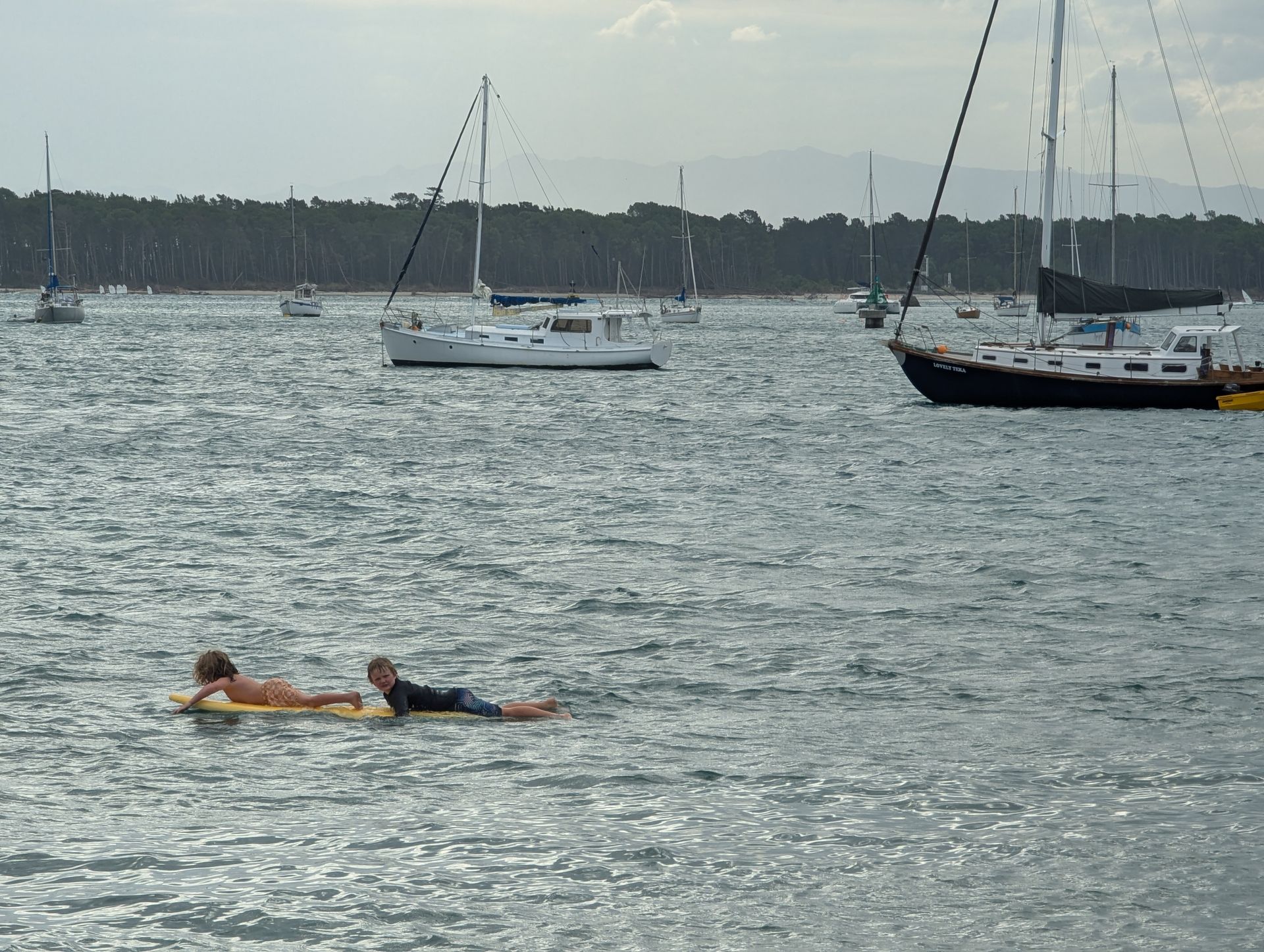
We arrived at the port of Tauranga. This is a small, easy-access city. We can walk off the boat, out of the shipping port and into the city in about 15 minutes. The business area is one long main street of several blocks. Most of the shops and restaurants are catering to tourists offering souvenirs and high prices. But if you walk far enough in one direction you find a salvation army thrift shop, a grocery store and pharmacy. There is also an excellent park with mature trees and a small pond with a waterfall and a group of ducks. But most of the local life is going on at the waterfront. A beach gives families with children access to the waves and beyond are moored sailboats pitching forward and back, impatient to fly out into the harbor.
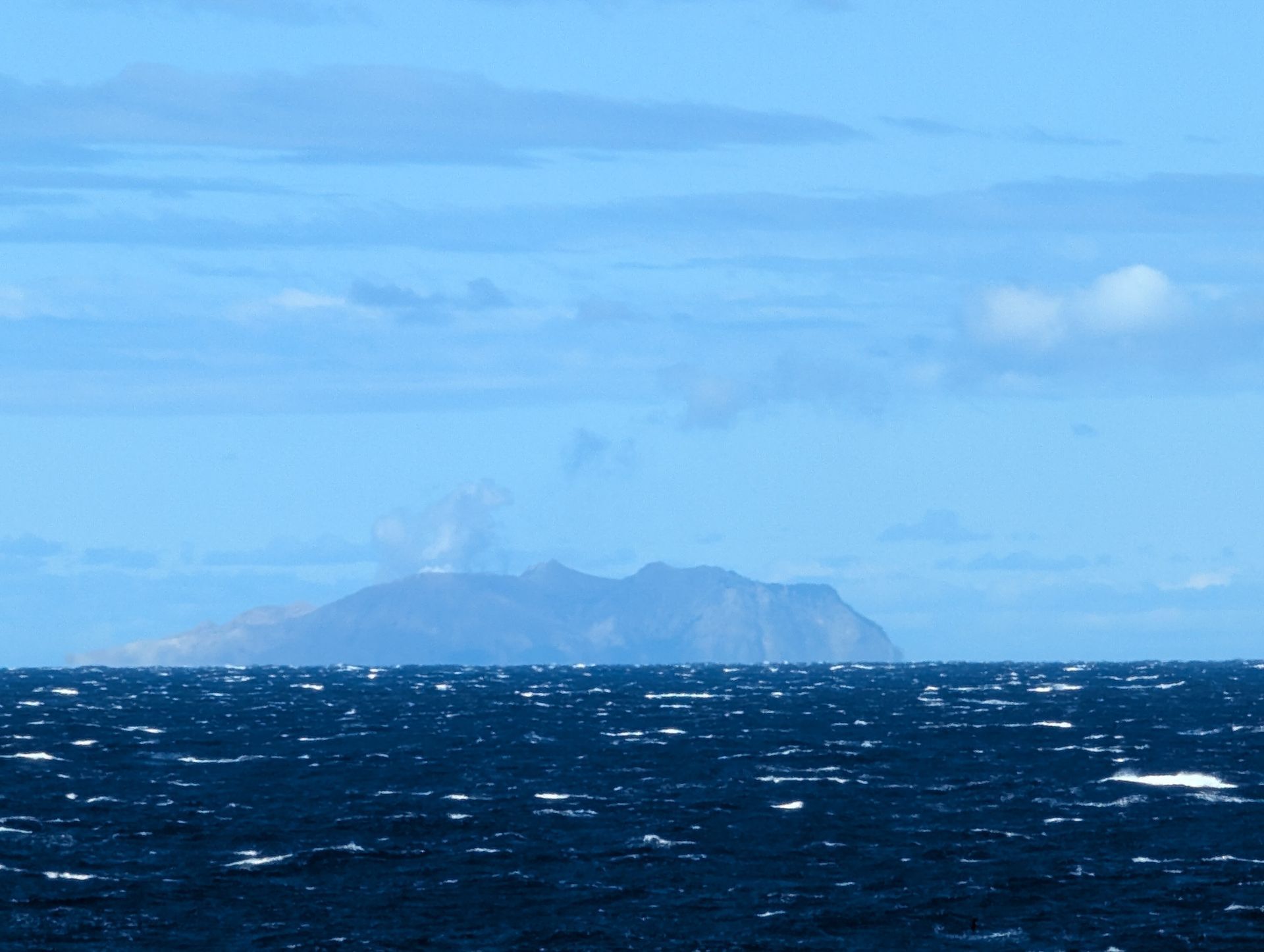
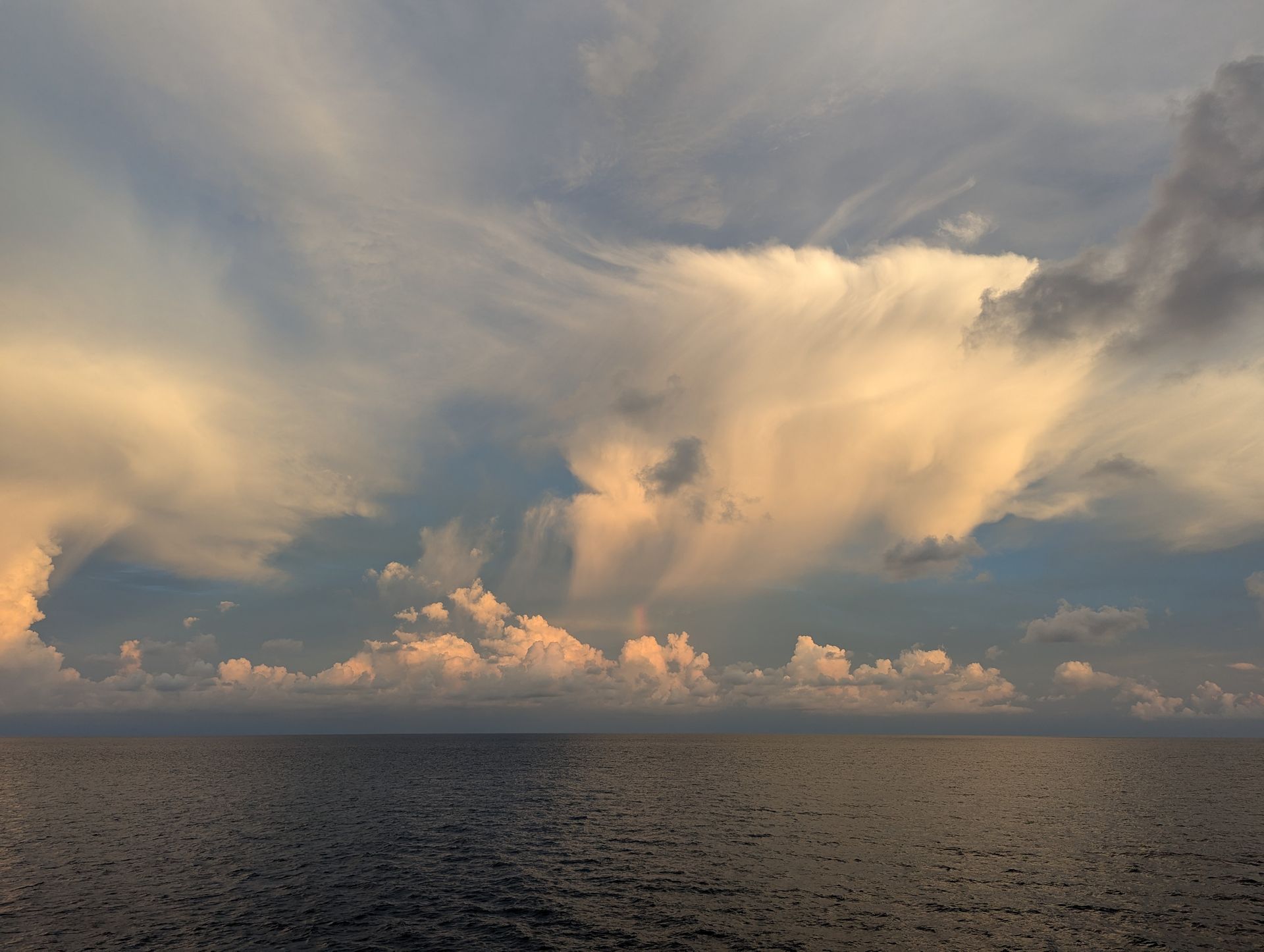
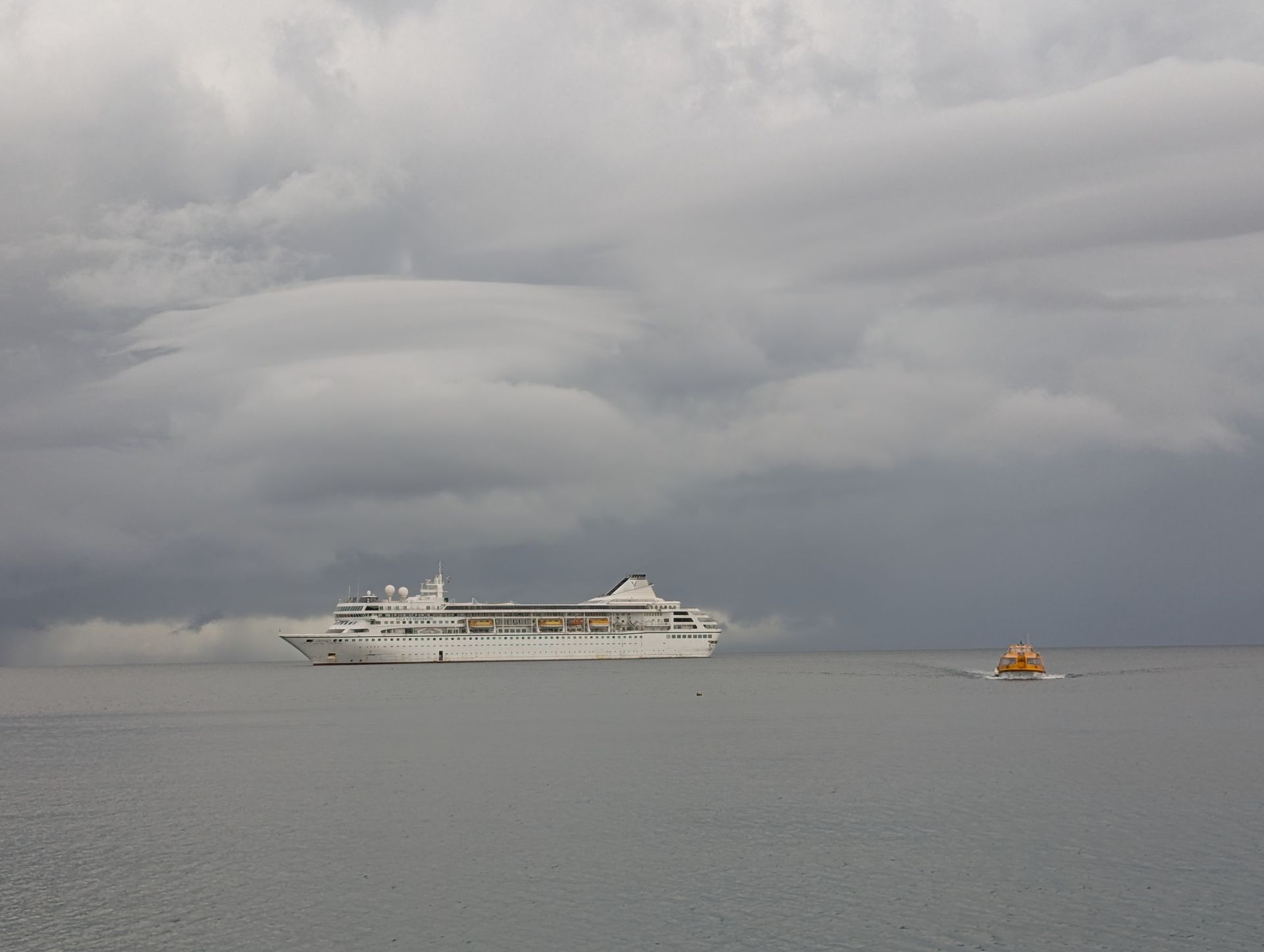
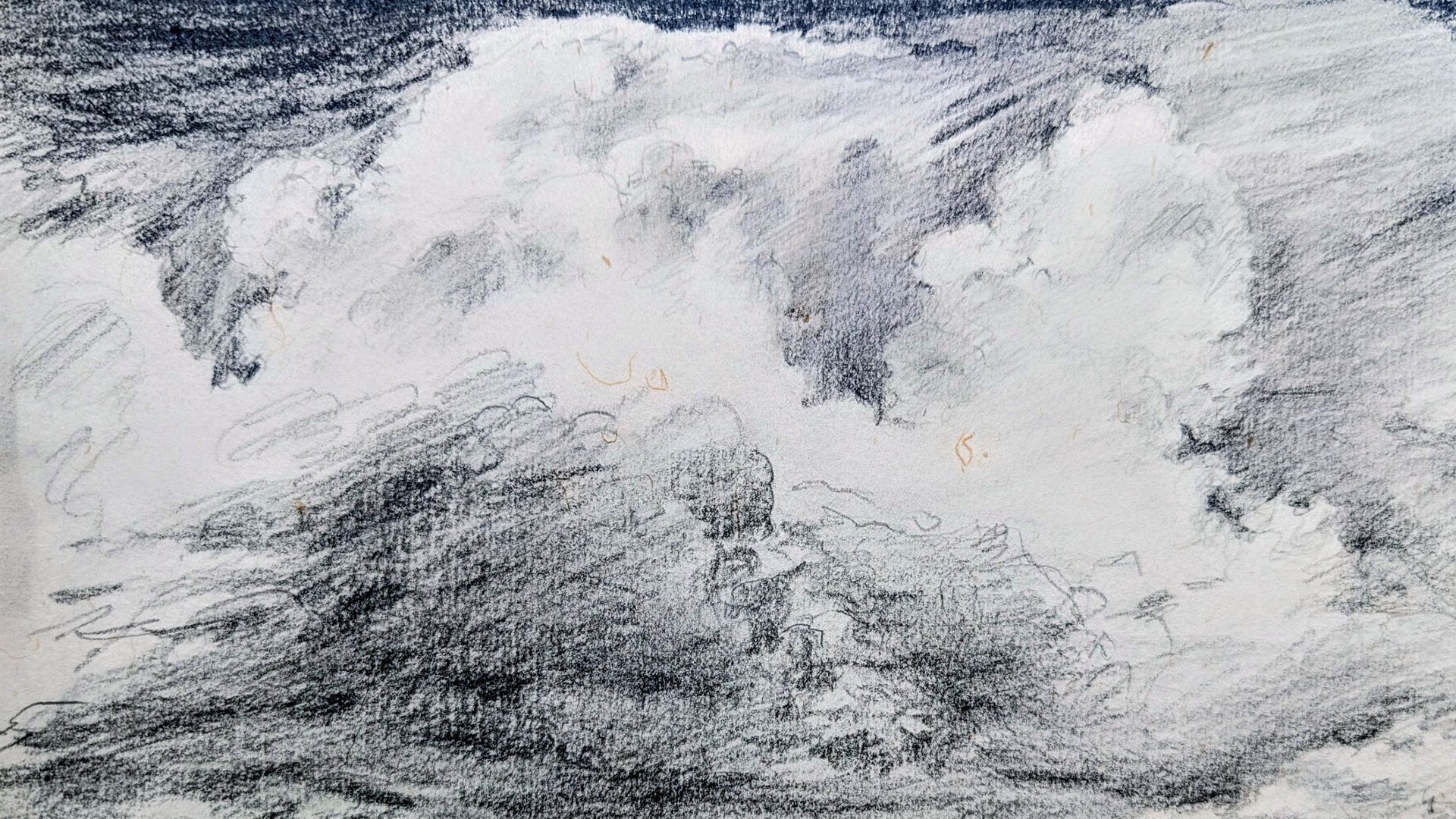
We leave the next morning. Our progress along the eastern coast of New Zealand meets a fierce wind storm. The waves reach 14 feet causing a rhythmic up, down, elastic ride. The wind grumbles constantly. Waves come in series and the largest dramatically sucks the boat down into its trough. You feel the ship gather like a horse preparing to take a jump then the bow slowly rises and breaks through the top of the wave. Spray flies over the bow and to both sides. This is repeated over and over. Inside the ship many passengers are sea sick and stay in their cabins. When you walk from place to place you are pressed into a weaving pattern, like a drunk Charlie Chaplin. All around are small rainstorms, columns of grey joining the sea and sky. When we break out of them the sun glares down on the water making it shine and creep like molten steel. Wherever you try to settle you are pulled this way then that. We expect this weather to continue through the night. Sleeping is a challenge. A wave can pound the hull when the timing of the bow doesn't slice through it. This shocks the ship and sounds it like a gong. Immediately you are awake. Finally we get relief in the morning when we enter the magnificent harbor to Wellington.
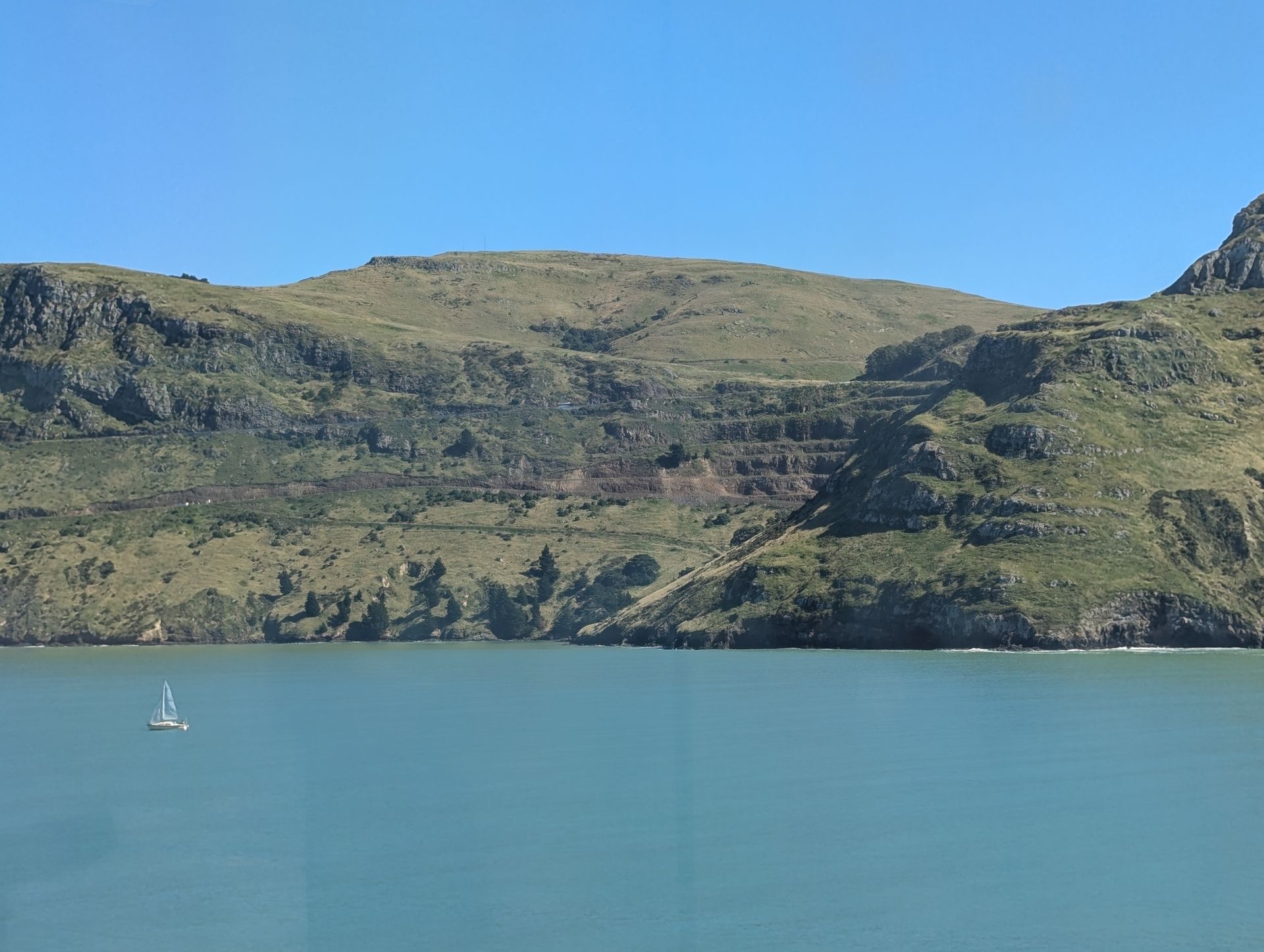
It is almost a perfect circle cut into the rock with a narrow entrance from the ocean.
We come alongside the dock, the lines are thrown and secured. There is a shuttle provided to take us downtown. We step off the shuttle into the vertical world of another Big City. This is a shock after 5 days on the water with nothing in sight. The buildings of Wellington are a mix of historic and modern. An interesting study for an architect. Again, the avenues of expensive restaurants and high end clothing stores, reaching in every direction. Here and there are sculptures, some contemporary and others, horses and riders of the past, on tall pinnacles.
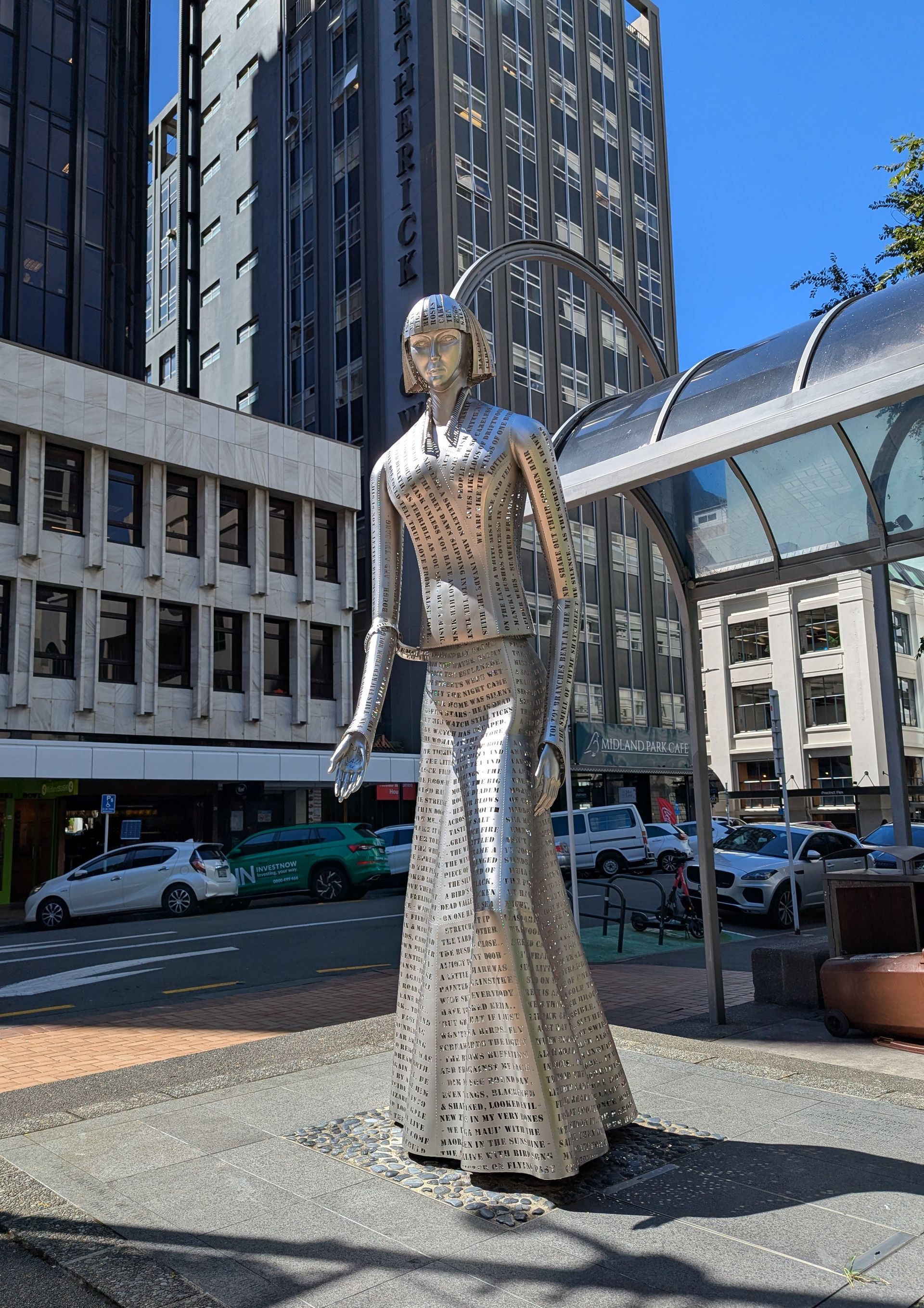
People are walking purposefully all around us as we slowly progress, like a stream around an obstacle.
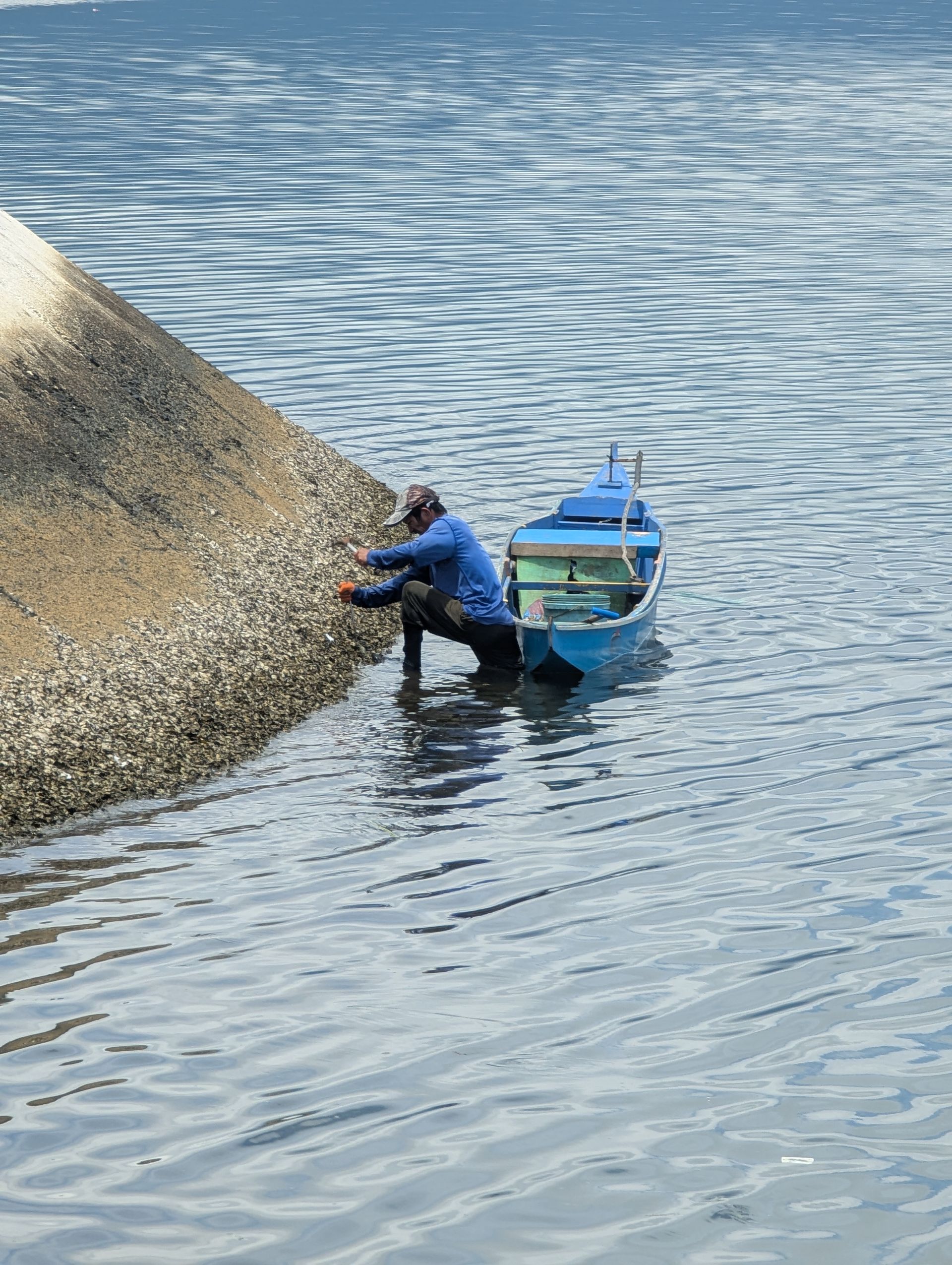
Unfortunately we are only allowed to stay at the dock for one day. We have to leave in the morning because New Zealand decided upon inspection that our hull carries too many barnacles and other forms of life they don't want contaminating their waters. Tomorrow, offshore about 20 miles, a work boat will come alongside with scuba divers who will scrape the hull for the next 3 days.
After the scraping there is still bad news, the hulls are not clean enough. We are only allowed to stay 24 hours in the remaining ports and several had to be cancelled because of the cleaning delay. This is a disappointment to passengers who have made plans for tours and have paid for them up front.
We make our way, in calmer seas, to our next port, Littleton. Its harbor waters are a soft celadon color. Probably the result of limestone in the cliffs that parted to form it. As the name suggests it is a small city/town. The kind of place to raise children. The primary school looks charming. It is also catering to the cruise ship tourist trade with souvenirs and cafes, but there are genuine signs of life, a library, a book store (the best one I have ever seen) and a local art and performance scene. It would have been nice to spend another day. But we have to leave in the morning.
Our final port is Port Chalmers. The harbor is long, beautiful and edged with the supine, undulating flesh of the grey greenish hills.
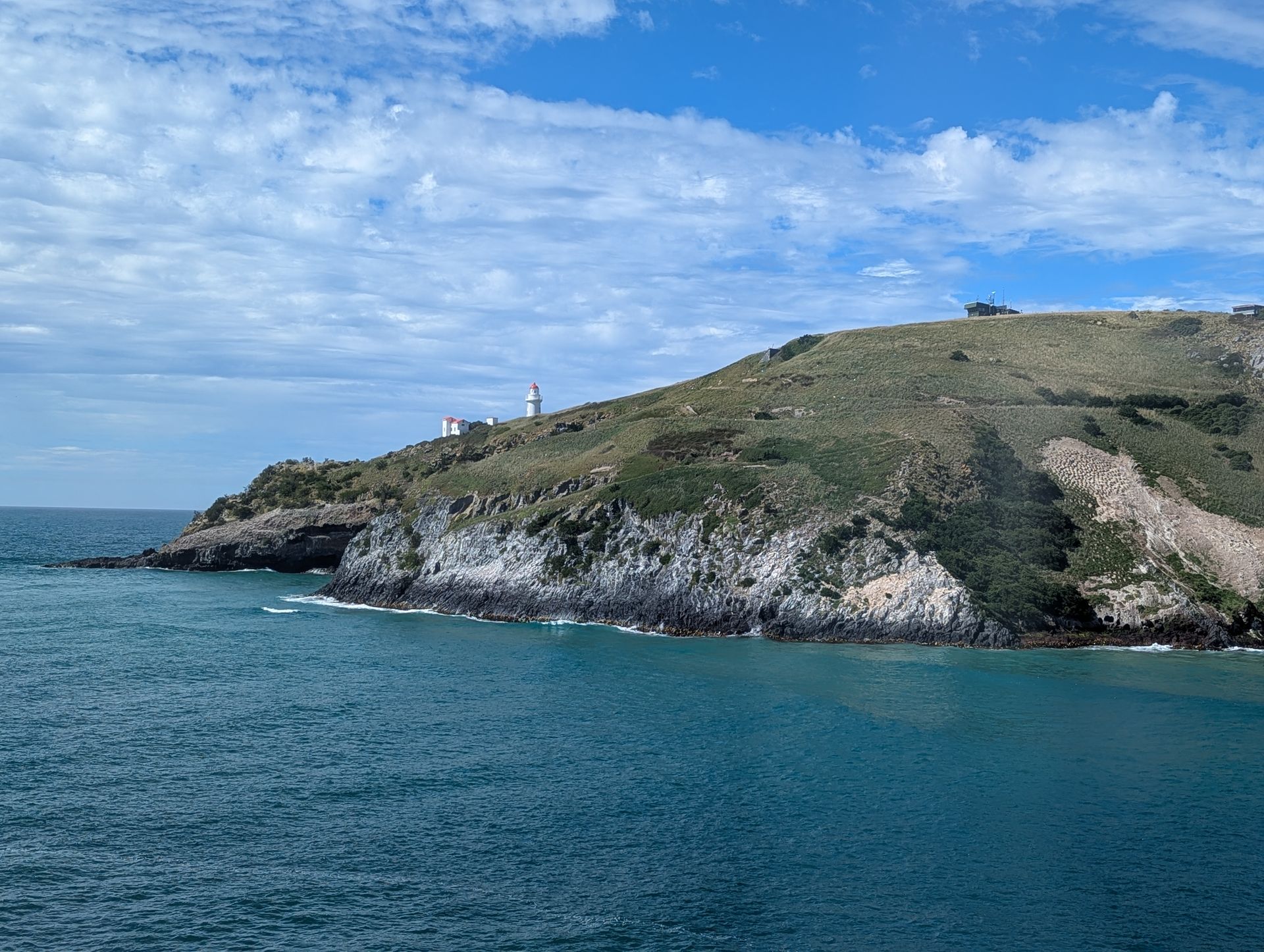
Here and there, a herd of sheep are grazing. At the narrow entrance was an albatross rehabilitation center. The huge birds float proudly in the sky. The tug, Taiaroa, has come alongside to escort us to the dock. Nudging and insisting like a mare with its foal. We walk into town and find that Port Chalmers is charming, like its name suggests. I would live here. An emerging art scene, which indicates it is still affordable, a book store, easy walking to the grocery and pharmacy, good coffee, beautiful views everywhere and kind, friendly people. More than enough.
In the morning we leave for Australia, five days at sea.