Chapter Three – Columbia (4/25)
Columbia,
Cartegena, Columbia 4/21/25
The Pope died this morning. A voice that held us together. Such an individual is the most powerful alive. Now he has become a wise person, deceased. Like an excellent reference book in a library. He can no longer speak in the present. His eloquent plea for the health of our planet, the encyclical for “Our Common Home” was an extraordinary recognition of Climate Change damage Worldwide and a plea for people to work together for remedies. He will be missed.
We decided not to venture into the city. We were docked at a huge shipping hub. Containers stacked five high and covering acres. Cranes moved about with slow precision into the night, then the whole area became a festival of lights. The city appeared even from a distance like any big city. Its delights are hidden or difficult to find. ($100 taxi ride per person for a one hour tour) The zoo was close by and magical.
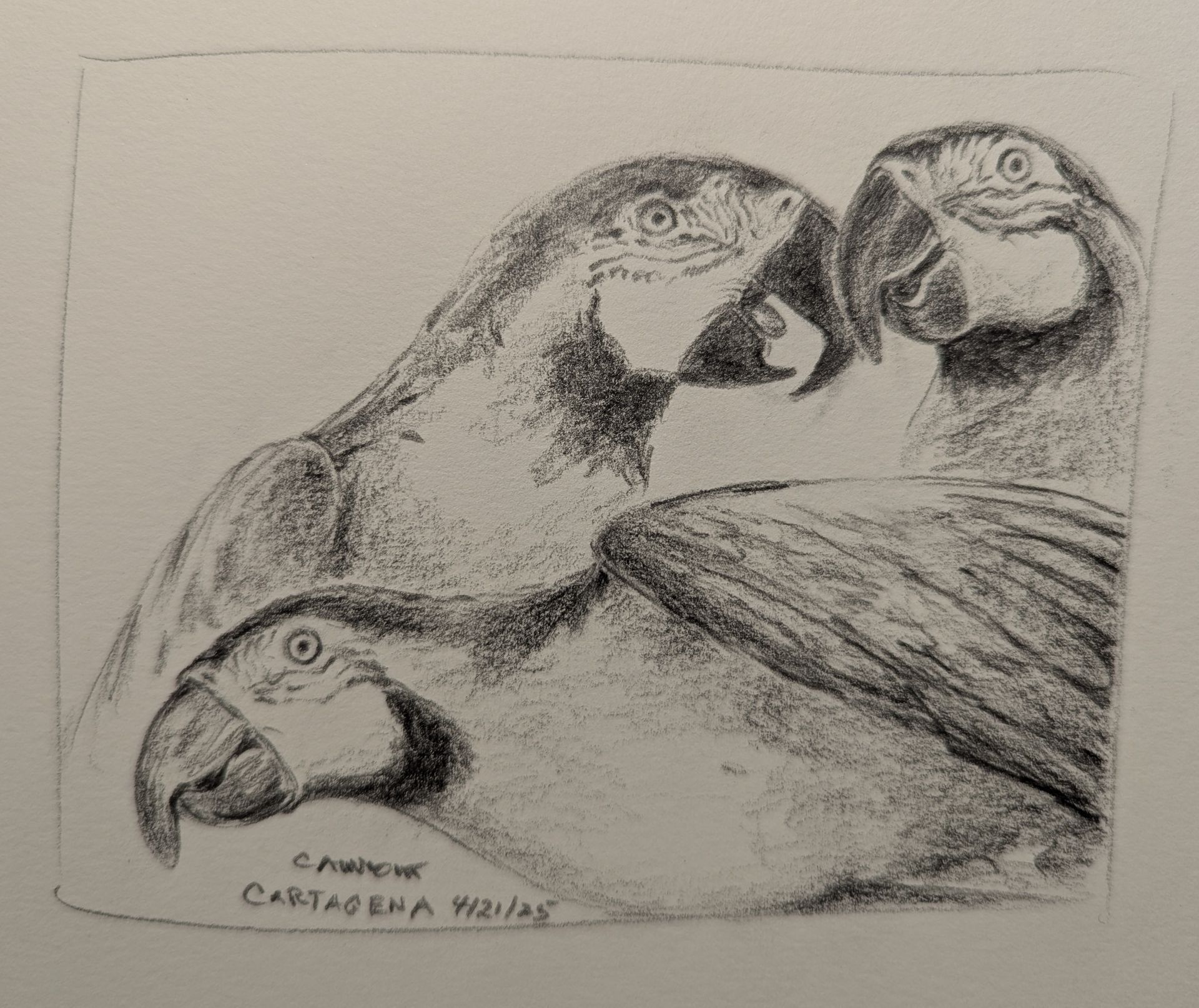
So we went to the zoo. Instead of a people world, you are in a small protected jungle where the animals are in charge and uncaged. Scarlet macaws fly overhead, peacocks spread their fans and flamingos move about with slow deliberation and shockingly pink. A friendly little green parrot sat on Jeff's shoulder and talked to him in Spanish.
Their environment has been created by people who rehabilitate wild animals and abandoned exotic pets. Occasionally there are monkeys and we saw a sloth making leisurely way through the upper canopy.
They have shelter, regular feedings and medical care. (They are self educated.) Humans do this for fellow creatures but hesitate to do it for fellow humans.
Remember, money is a belief system. The real value is humanity and natural resources. Survival needs, food, shelter, education and healthcare can be provided for every person on Earth with a parallel currency. Such a currency cannot be invested and is destroyed when it reaches a bank. The question is not, “How much will it cost?” The question is, ”What do you choose to pay for?”
San Blas Islands, Panama 4/22/25
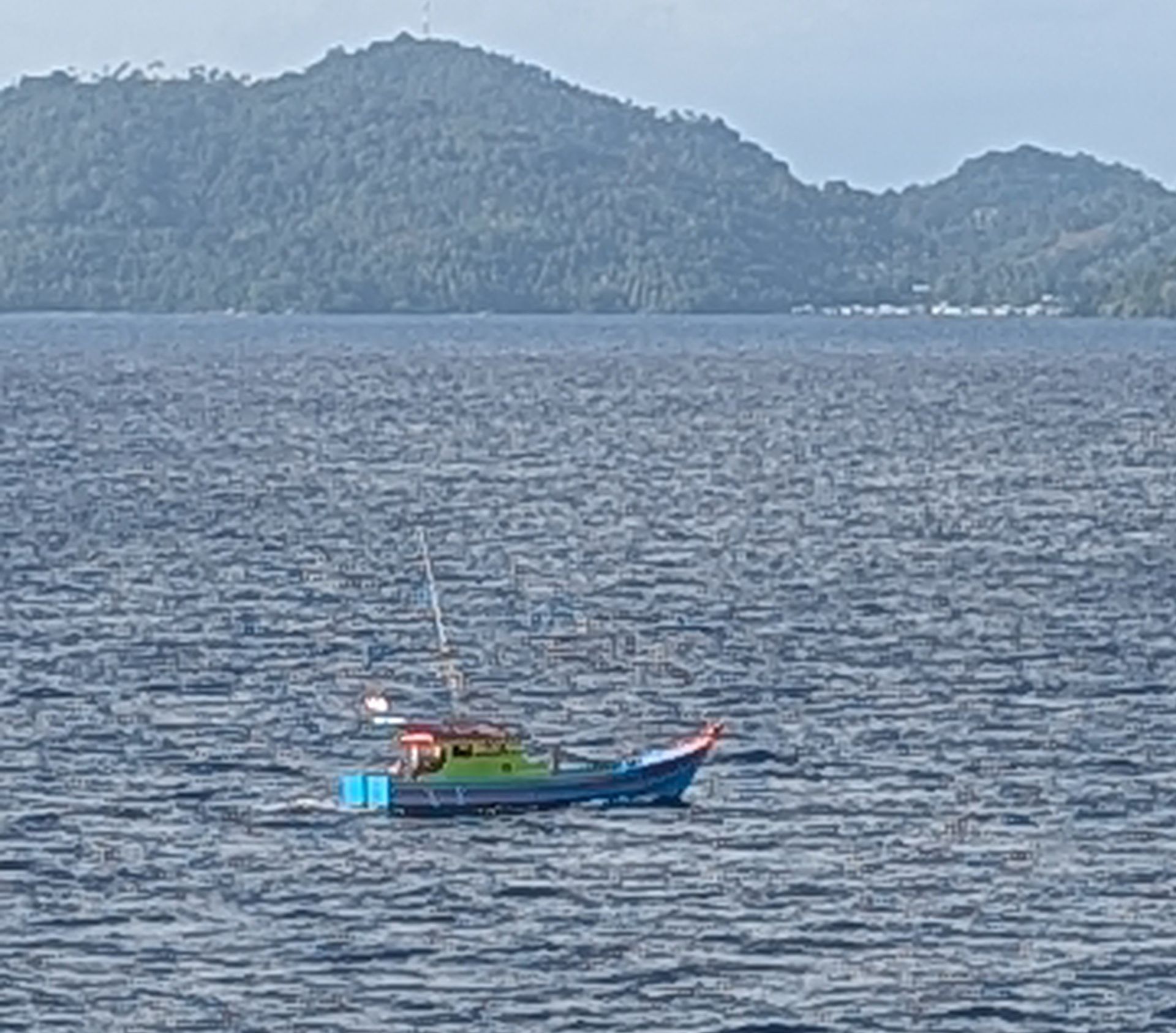
The native people here are Panamanian citizens. They call themselves Kuna. They are completely self governing and fiercely protective of their pristine islands. There are 378 islands, amounting to about 100 square miles. Forty nine are inhabited. Traveling through them on our way to the Panamanian coast in the pre-dawn took more than an hour. Here and there in a cove an anchored sailboat rested. Most of the islands were deserted, small bunches of coconut palms and shrubs poking above the water.
We travel to the main island, Carti, by tender from our anchored ship. The shock of culture is profound. Every flat surface has small makeshift buildings and chickee huts without a break between, a warren of worn paths snakes throughout the settlement. The grass is a soft green velvet texture. A young child looks us over as we disembark, with the same shyness and disbelief that we are looking at him. Two widely separated times have collided. The impression from our side is that their time stopped 1000 years ago. From their side, we have probably dropped from space.
We start to walk gently through their midst, keeping to the paths, trying not to be offensively nosey. There is so much to see and everything worth photographing. Mostly women and children line our way, dressed in distinctive costumes with beads around their arms and ankles. A few men are floating nearby in their handmade dugout canoes.
Slowly the display of molas begins. These intensely colored intricately sewn appliques of birds, lizards, insects and symbols that repeat and repeat form a narrative the women must hear in their dreams. Every turn of the path displays more walls of one foot square fabric stories. On and on like a colorful maze until your eyes are overstimulated and you can't concentrate on the beauty of any one piece. The artists are ladies of all ages. Some appear to be quite elderly, maybe 100 years. Cataracts film eyes that once sewed tiny bits of fabric with almost imperceptible stitches. Their close up vision is exceptional. The younger women have babies and children with them. The children hold their pets, a puppy, a little green parrot.
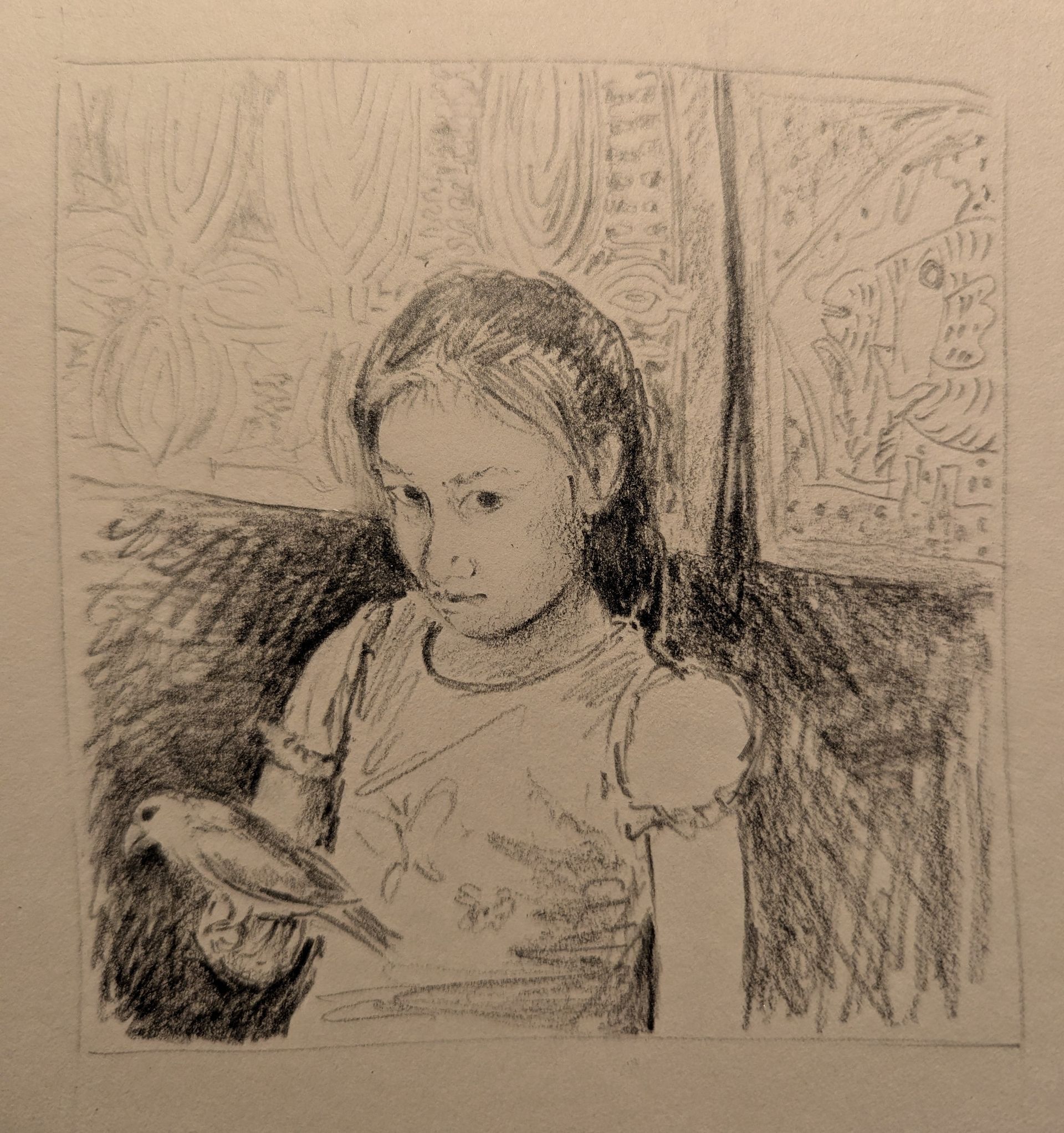
Their colorful garments are accented with molas. Finally you have come to the center of the maze, dizzy from the kaleidoscope of colored patterns, and find you must retrace your steps through the gauntlet of pleading vaguely suspicious eyes;
“Five dollars, twenty dollars.”
“Very beautiful, ola, thank you, adios.”
We pass out dollars and buy a mola. Three boys play their flutes and dance.
You feel guilty that you are so privileged. But maybe privilege is not so important. A young man we talk to, Adrian Lopez, assures us that he is happy and likes living on the island. It's “quiet, peaceful.”
The Panamanian government had given them some solar panels 15 years ago so they could run lighting, TVs, and small appliances. Education is free, healthcare is free, ( but not very good. Cataract surgery has not been introduced) they do some agriculture and lots of fishing. When asked if men do any of the sewing they laugh at the thought. Some ecotourism has started on the pristine uninhabited islands.
When we got back to the ship we contacted a friend we still know in the solar business and asked him to arrange a shipment of solar panels to the islands. They are so much more efficient now.
Panama Canal, 4/25/25
I have been looking forward to this passage. We have been through many locks on our own boats but this one is by far the most massive. Our President has not mentioned for a while his desire to own the canal, since China got in the way of a deal that would put ownership of several ports in the hands of a US company. Panama was not enthusiastic either. They are very proud that they own and run it.
The canal is not as massive as I had imagined. The actual locks and mechanisms are simple and use the traditional physics: fill the lock, raise the boat, empty the lock, lower the boat. The impressive thing is the size of the boats. Huge tankers and container ships, but not as many as I had imagined. I thought the whole route would be very busy with comings and goings and ships waiting their turn. Aside from 3 or 4 other ships traveling we had the locks all to ourselves. It cost $300,000 for our ship to use the Panama Canal locks.
It was dark by the time we were halfway through. We didn't enter the Pacific until after midnight. In the morning, water was all around. And our ship was seaming its way through a different ocean.
At Sea